The sea is a place of beauty and danger, a vast expanse that invites exploration but demands respect. Off the coast of Phu Quoc, a tropical paradise in Vietnam, this duality was tragically revealed when a speedboat capsized, claiming the lives of fifteen tourists. The incident serves as a somber reminder of the risks inherent in marine travel and the fragility of life in the face of unpredictable natural forces. It is a moment that invites reflection on safety, responsibility, and the shared grief of communities separated by distance but united by loss.
Body: Phu Quoc is known for its pristine beaches and clear waters, attracting visitors from around the world seeking relaxation and adventure. Speedboat tours are a popular way to explore the surrounding islands, offering quick access to secluded spots and vibrant coral reefs. However, the convenience of speed comes with risks, particularly in conditions where weather can change rapidly or where vessel maintenance may be inconsistent. The capsize highlights the need for rigorous safety standards and vigilant oversight in the tourism industry.
The victims, identified as tourists, were likely enjoying a day of leisure when disaster struck. Their deaths leave behind families and friends who must grapple with sudden and senseless loss. The international nature of the tragedy means that consular services from multiple countries are involved, adding layers of complexity to the response. For the local community, the incident is a shock, challenging the image of Phu Quoc as a safe haven and raising questions about regulatory enforcement.
Investigations are underway to determine the cause of the accident. Factors such as overloading, mechanical failure, or sudden weather changes may have played a role. Authorities are reviewing licensing procedures and safety protocols for tour operators, seeking to prevent future tragedies. Transparency in this process is crucial to restore confidence among travelers and ensure that accountability is established where necessary.
For the tourism sector in Vietnam, the incident poses a reputational challenge. The industry relies on trust, and any breach of safety can have long-lasting effects on visitor numbers. Operators are urged to prioritize passenger safety over profit, investing in better equipment, training, and emergency preparedness. It is a call to action for the entire sector to elevate its standards and protect the well-being of those who come to experience its beauty.
The response from local authorities and rescue teams was swift, but the outcome was heartbreaking. Survivors and witnesses recount the chaos of the moment, describing the struggle against the waves and the desperation of those trapped. Their stories underscore the importance of wearing life jackets and following safety instructions, simple measures that can mean the difference between life and death.
Community support has poured in for the victims’ families, both locally and internationally. Memorials have been held, and funds raised to assist with repatriation and funeral costs. This outpouring of compassion highlights the human connection that transcends borders, reminding us that in times of tragedy, we are all part of a larger global family.
Closing: In the end, the capsizing off Phu Quoc is a tragic loss that leaves a lasting impact. It serves as a cautionary tale for the tourism industry and a plea for greater vigilance. As investigations continue and reforms are implemented, the hope is that such incidents become rare, allowing the sea to remain a source of joy rather than sorrow for all who visit its shores.
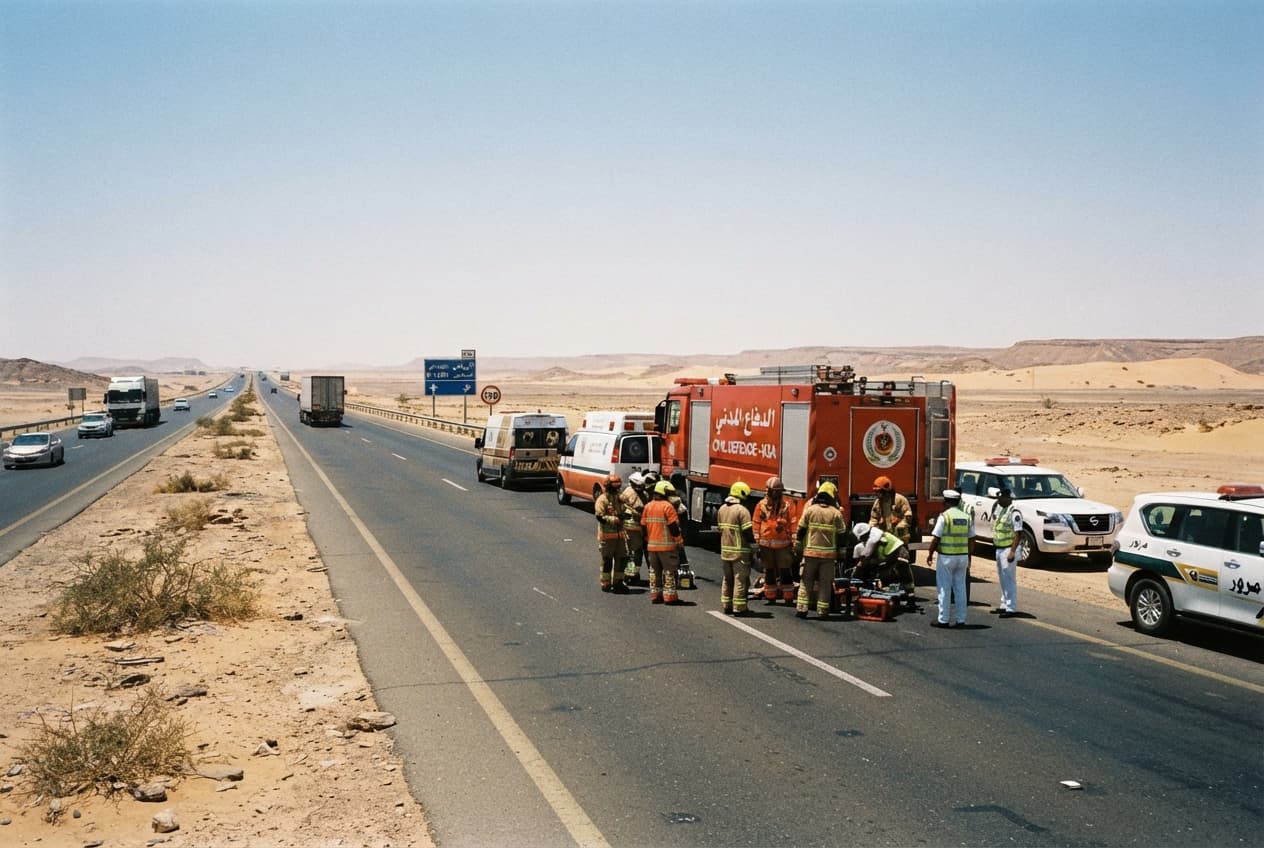
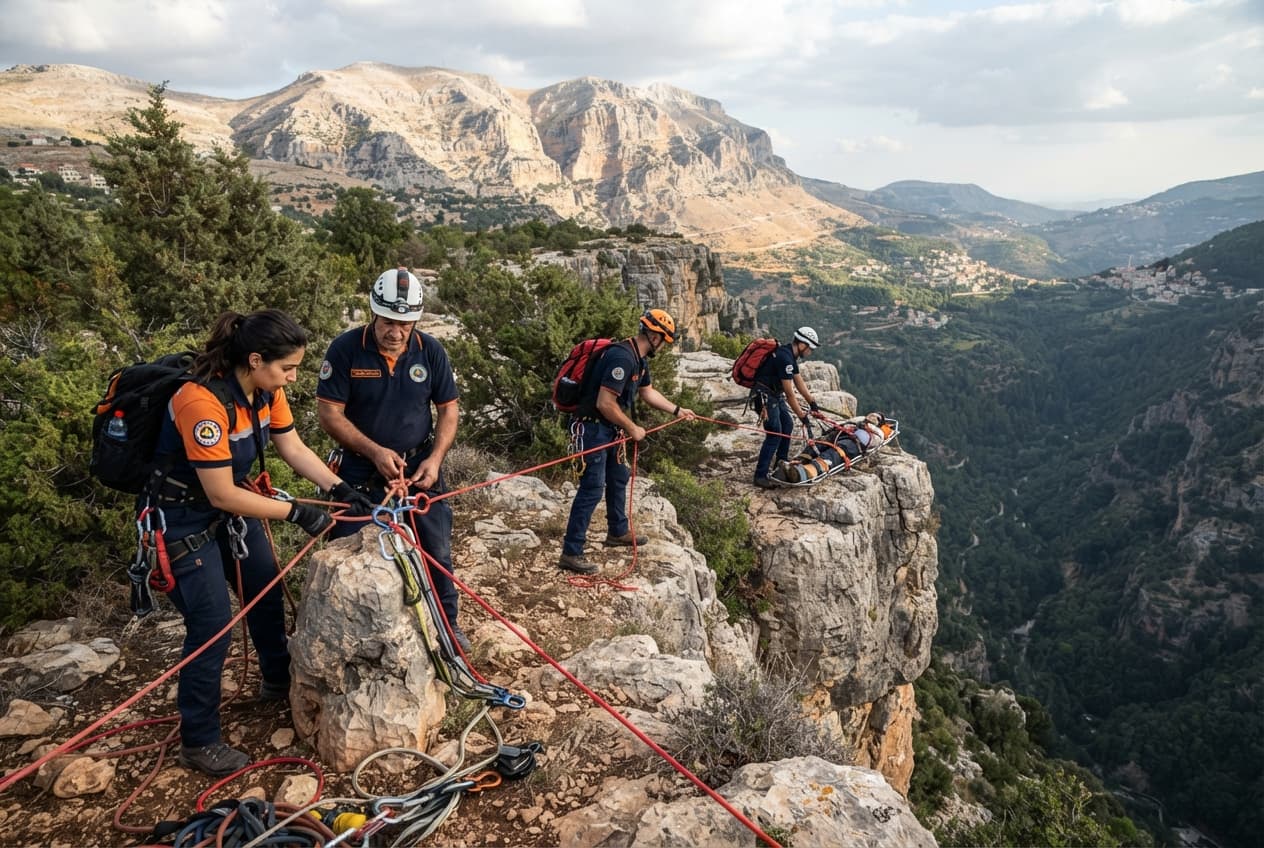
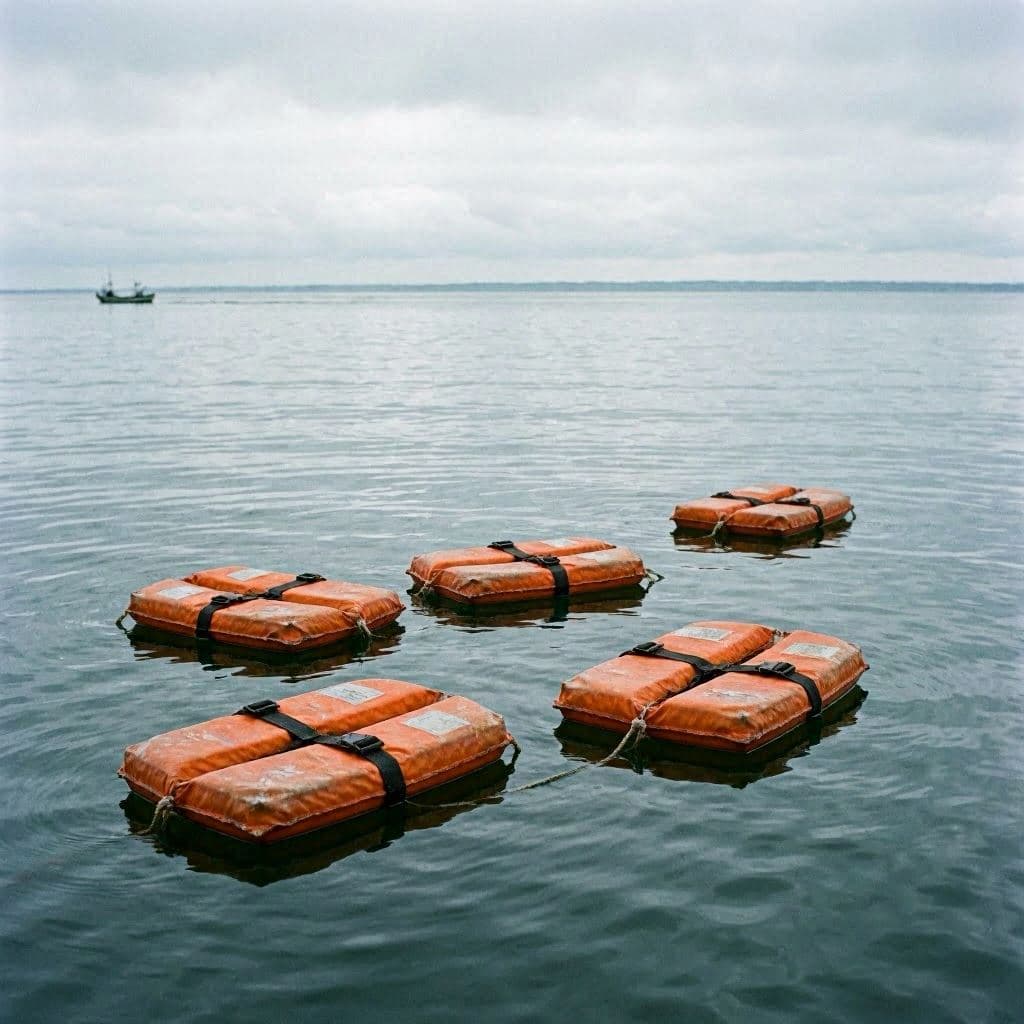
AI Image Disclaimer: The visual representations associated with this article are AI-generated artistic interpretations designed to illustrate the themes of maritime safety and mourning.
Sources: VnExpress Tuoi Tre News Reuters
Published by Banx Network. This article is part of the Banx decentralized media programme, powered by the BXE token on the XRP Ledger.