In the densely populated streets of Gaza City, where the scars of conflict are etched into every crumbling facade, tragedy struck again this week. A six-story residential building, weakened by previous Israeli airstrikes, collapsed suddenly in the early hours of Wednesday morning. The incident claimed the lives of at least 21 people, including 11 children, turning a place of shelter into a site of mourning. For families already enduring immense hardship, this disaster serves as a stark reminder of the lingering dangers that persist even in moments of relative quiet.
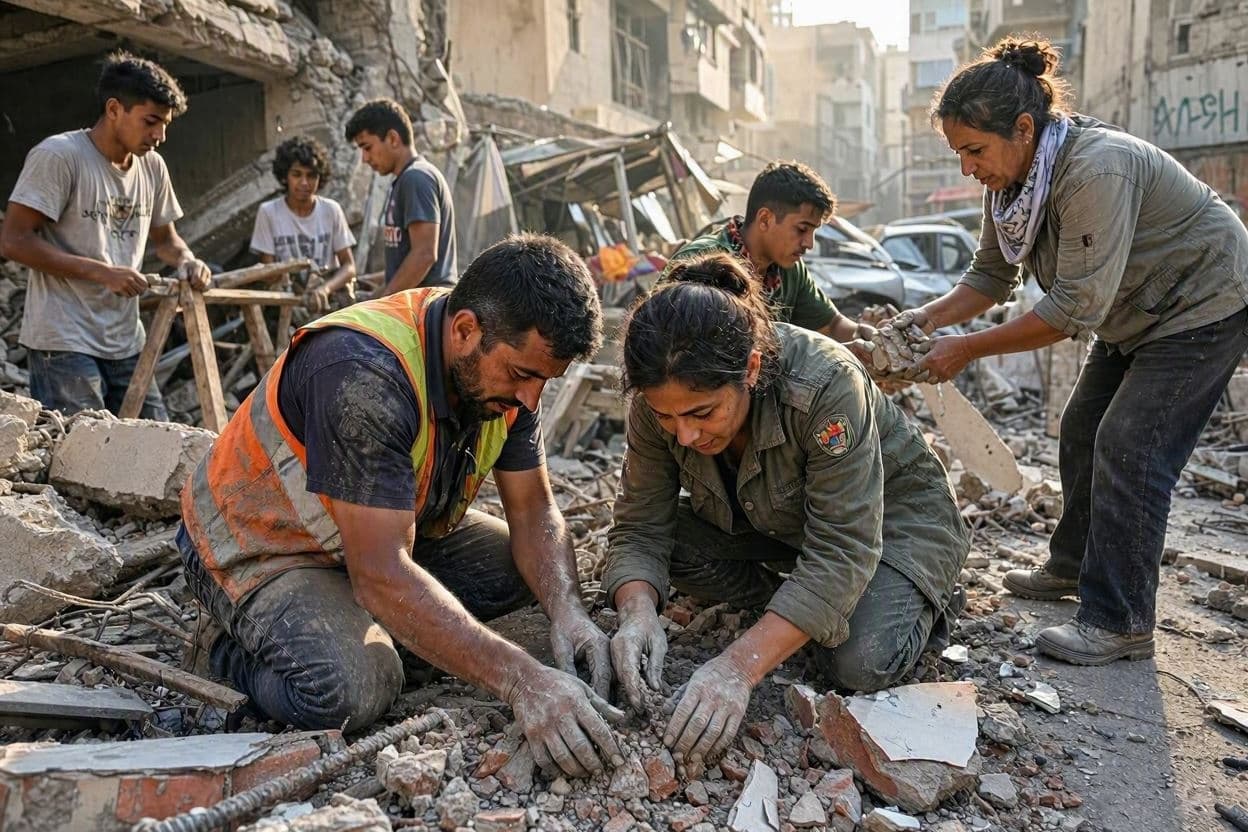
The building, located in the Al-Zaytoun neighborhood, had been damaged in earlier hostilities but remained inhabited by dozens of displaced families seeking refuge. With limited options for safe housing, many residents had returned to structures that were visibly compromised, hoping they would hold. When the collapse occurred, it buried them under tons of concrete and rebar, trapping survivors and leaving rescuers to dig with bare hands due to a severe lack of heavy machinery.
Civil defense teams worked tirelessly through the night, pulling bodies from the rubble while searching for signs of life. The death toll rose steadily as recovery efforts continued, with officials confirming that women and children made up the majority of the victims. The scene was one of chaos and grief, with relatives screaming for news of their loved ones amidst the dust and debris. It is a heartbreaking tableau that has become all too familiar in the region.
This incident highlights the critical issue of unsafe infrastructure in war-torn areas. Thousands of buildings in Gaza remain structurally unsound, posing a constant threat to civilians. Without the resources to repair or demolish these hazards, residents are forced to live in precarious conditions, vulnerable to sudden collapse from wind, rain, or minor vibrations. The international community has called for increased aid to address these safety risks, but logistical and political barriers often hinder effective response.
For the children who lost their lives, the tragedy is particularly poignant. They had survived bombs and displacement, only to be taken by the instability of their own homes. Their deaths underscore the long-term human cost of conflict, which extends far beyond the immediate violence. It is a loss that ripples through communities, leaving deep emotional scars that will take generations to heal.
Local hospitals, already strained by shortages of medical supplies and staff, struggled to handle the influx of injured survivors. Doctors worked under difficult conditions to treat fractures and trauma, while families waited anxiously for news. The collapse has further exacerbated the humanitarian crisis, adding to the burden on a healthcare system that is barely functioning.
International reactions have been swift, with aid organizations calling for urgent support for rescue operations and structural assessments. Yet, the reality on the ground remains challenging, with access restrictions and ongoing tensions complicating relief efforts. The collapse serves as a urgent plea for the protection of civilians and the restoration of basic safety standards.
As the community mourns, the focus shifts to preventing future disasters. Engineers and aid workers are urging for a comprehensive plan to identify and secure unstable buildings. Until then, the people of Gaza continue to live in the shadow of uncertainty, hoping that their homes will remain standing. The loss of 21 lives is a sobering reminder of the fragility of life in a zone of prolonged conflict.
AI Image Disclaimer: The images accompanying this article are AI-generated artistic interpretations of rescue scenes and urban destruction, not actual photographs of the specific collapse site or victims.
Sources: Reuters The Washington Post Save the Children
Published by Banx Network. This article is part of the Banx decentralized media programme, powered by the BXE token on the XRP Ledger.