RAFAH, Gaza Strip — A military strike hit an encampment housing displaced families in the southern Gaza Strip early on Friday morning, September 11, 2026 killing one person and injuring nine others, according to local medical officials and civil defense workers.
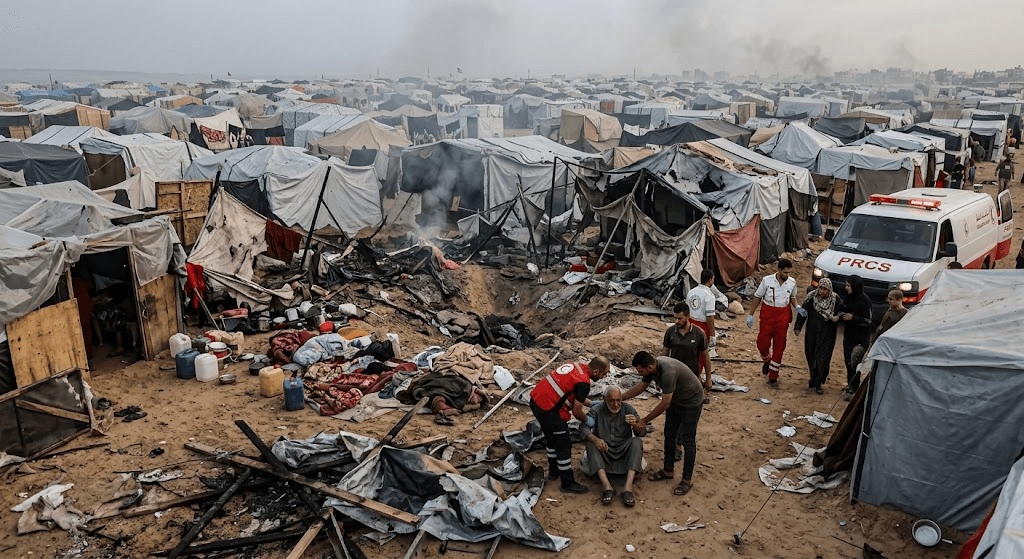
The strike hit a cluster of makeshift tents sheltering civilians who had been forced from their homes by ongoing regional hostilities. Witnesses described a sudden explosion that tore through the fragile plastic and fabric shelters, scattering debris and igniting small fires across the immediate vicinity.
Emergency responders and local volunteers rushed to the site shortly after the blast to tend to the victims and extinguish burning debris. Emergency crews confirmed that one person succumbed to fatal injuries at the scene, while nine others—including women and children—were treated for shrapnel wounds, burns, and smoke inhalation.
Ambulances transported the injured to nearby field hospitals and emergency care units in southern Gaza, where medical staff continue to manage casualties under critical shortages of basic medical supplies.
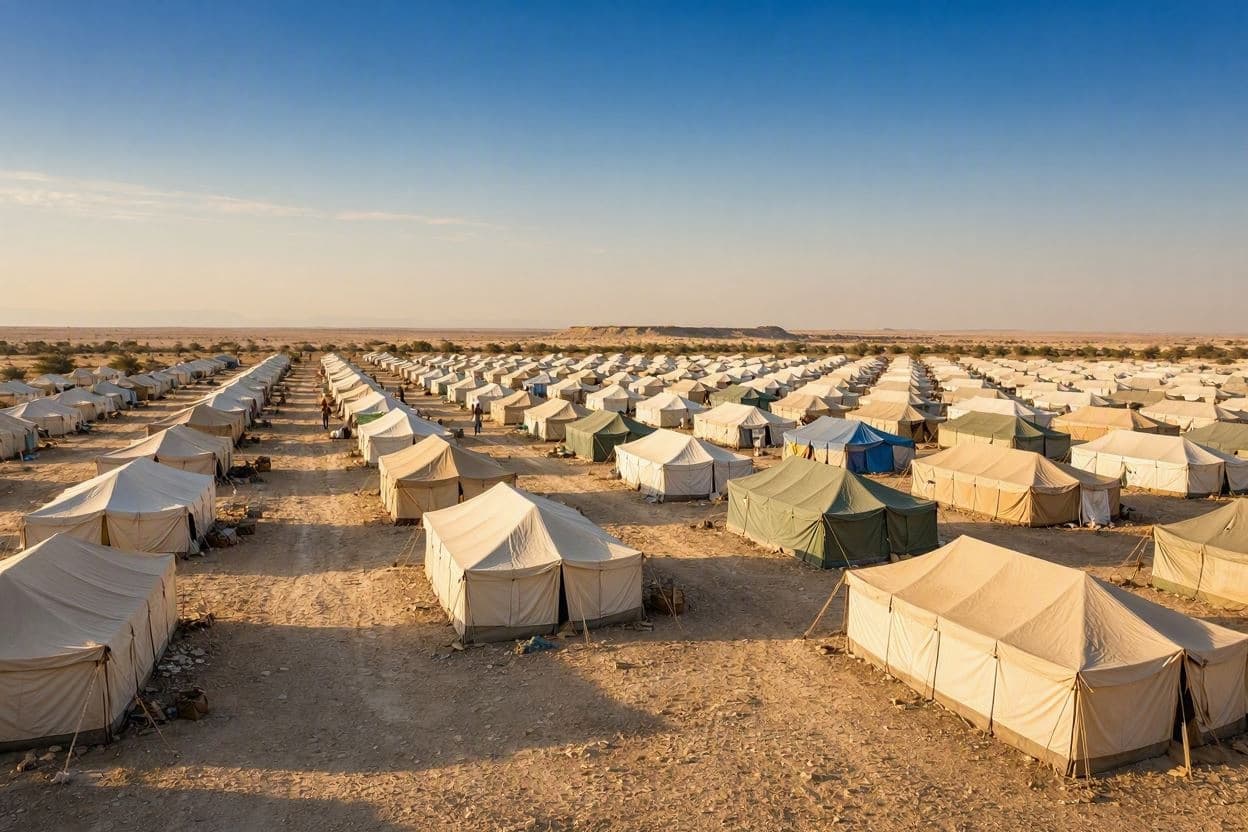
The incident has heightened anxiety among hundreds of thousands of displaced residents who are relying on temporary tent cities across the southern territory for shelter. Community leaders condemned the attack, reiterating that the hit targeted non-combatants sheltering in designated refuge areas.
Military officials often state that precision operations in the territory target active combatant infrastructure or high-value personnel embedded in non-residential spaces, though local populations bear heavy consequences in high-density civilian zones.
Humanitarian organizations and international observers issued renewed calls for strict compliance with international law regarding the protection of displaced non-combatants and designated civilian infrastructure.
With search-and-clearance teams finishing their work at the blast site, local emergency units remain on high alert across southern Gaza as humanitarian groups assess the growing safety risks facing displaced families.
The loss of shelter and security in these overcrowded encampments exacerbates an already dire humanitarian crisis across southern Gaza. Relief agencies warn that frequent damage to temporary housing units leaves vulnerable populations exposed to extreme weather conditions and severe psychological distress, with few resources available for quick reconstruction. As living conditions continue to deteriorate, aid groups are calling for guaranteed humanitarian corridors to deliver essential shelter materials, clean water, and medical aid to displaced families with nowhere else to go.
Published by Banx Network. This article is part of the Banx decentralized media programme, powered by the BXE token on the XRP Ledger.