DEATH VALLEY, Calif. — A trip to one of the hottest places on Earth turned fatal after a French tourist succumbed to extreme exposure and severe dehydration when their vehicle broke down in the remote backcountry of Death Valley National Park amid brutal 116-degree Fahrenheit temperatures.
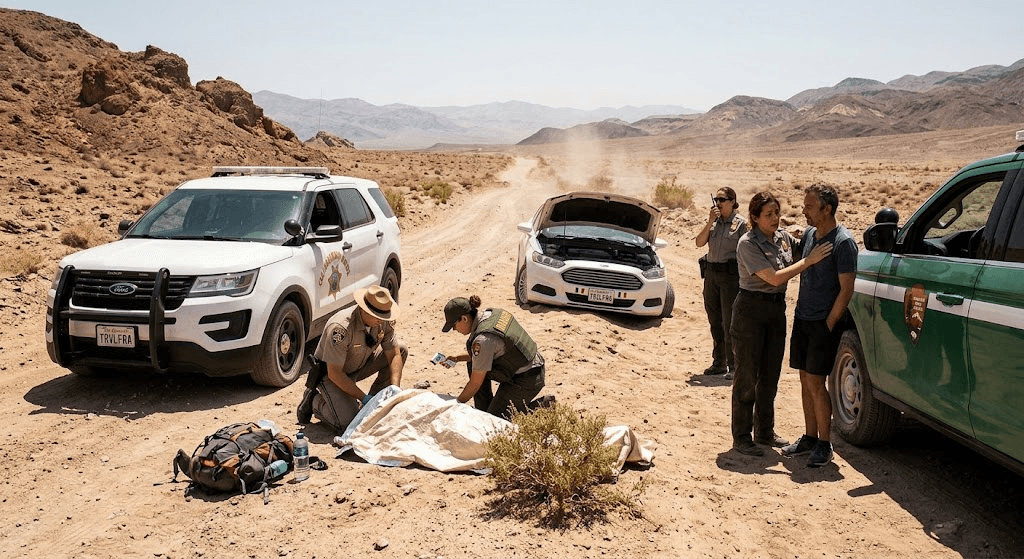
Park rangers reported that emergency dispatch received a satellite distress call requesting urgent assistance for a stranded motorist along an unpaved road. Search and rescue teams, accompanied by California Highway Patrol aviation units, immediately deployed to the area. Upon arrival, rescuers located the disabled vehicle and found the 62-year-old traveler unresponsive a short distance from the car, where they had apparently sought shelter under low brush to escape the blistering sun.
First responders performed emergency resuscitation protocols, but the victim was pronounced dead at the scene due to heat-related illness and extreme hyperthermia. High ambient ground temperatures, which often exceed air temperatures by tens of degrees, severely limited the time frame for survival outside air-conditioned shelter.
National Park Service officials issued a fresh advisory reminding visitor that summer conditions in Death Valley are exceptionally hazardous. Authorities strongly advise against travel on isolated dirt roads during peak summer months, recommending that visitors remain inside their vehicles with plenty of water if a breakdown occurs rather than attempting to walk for help in lethal heat.
Park officials highlighted that extreme ambient heat can quickly degrade vehicle performance, causing tire blowouts, engine overheating, and battery failures without warning. In remote sectors of the park where cellular service is non-existent, even minor mechanical issues can escalate into life-threatening emergencies within a matter of minutes.
The tragic incident serves as a stark reminder of the unforgiving environment in Death Valley during the peak summer season. Search and rescue teams emphasize that all park visitors should pack excess drinking water, carry satellite communication devices, and inform emergency contacts of their planned itinerary before venturing into remote desert corridors.
Published by Banx Network. This article is part of the Banx decentralized media programme, powered by the BXE token on the XRP Ledger.