N'DJAMENA — At least 25 people were killed and 22 others seriously wounded following violent intercommoned clashes over access to vital water resources in central Chad.
The conflict erupted when long-standing tensions between rival ethnic communities reached a boiling point over shared water rights in the arid region. Local sources report that what began as a localized dispute at a key water point quickly escalated into a full-scale armed confrontation, with members of both communities launching coordinated attacks.
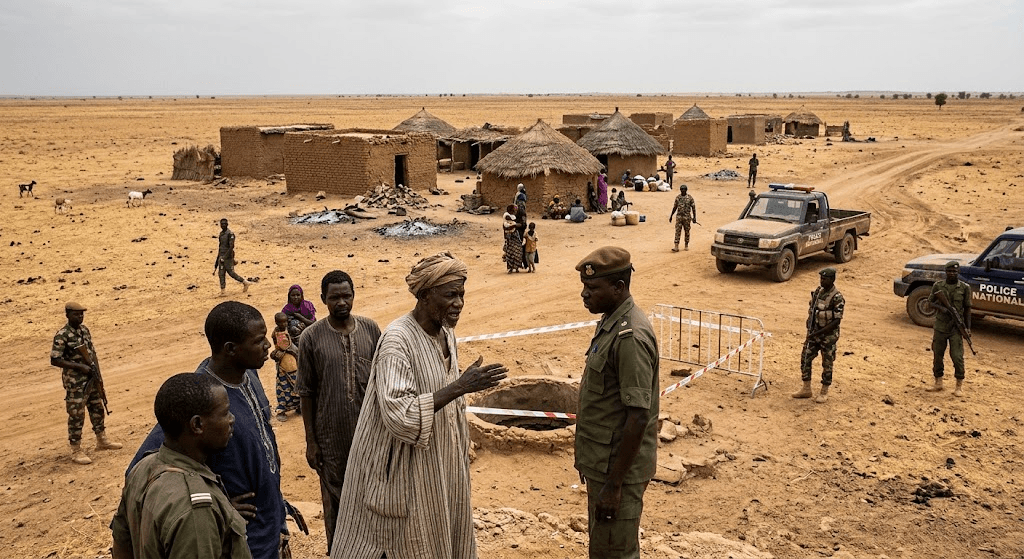
Witnesses described intense fighting that spread across local settlements, leaving homes damaged and dozens trapped in the crossfire. Emergency personnel and community members managed to evacuate 22 injured individuals to regional medical facilities, where several remain in critical condition due to severe gunshot and weapon wounds.
Security forces have been deployed to the affected zone to restore order, separate the warring factions, and secure access to the disputed water sources. Regional administrators have initiated emergency dialogue sessions with tribal elders to prevent further retaliatory strikes.
Chad remains exceptionally vulnerable to environmental pressures, where severe droughts and climate-driven resource scarcity frequently spark intercommoned violence over land, livestock, and water. Authorities warned that without immediate humanitarian assistance and long-term water management infrastructure, tensions across vulnerable border areas could continue to worsen.
To help prevent further escalation, humanitarian organizations operating in the region have begun mobilizing emergency relief supplies, including potable water tankers and basic medical kits, to support displaced families and alleviate pressure on surrounding water points. International observers have urged central authorities to prioritize sustainable conflict resolution mechanisms, noting that severe environmental degradation in the Sahel region continues to push vulnerable populations toward desperate measures.
Local civil society groups are also calling for a transparent investigation into the root causes of the clash to hold perpetrators accountable and guarantee equitable access to critical natural resources. With dry season conditions expected to persist, peace building teams are working alongside traditional leaders to draft temporary resource-sharing agreements, hoping to establish a calm foundation before full-scale diplomatic talks resume.
Published by Banx Network. This article is part of the Banx decentralized media programme, powered by the BXE token on the XRP Ledger.