Key Highlights
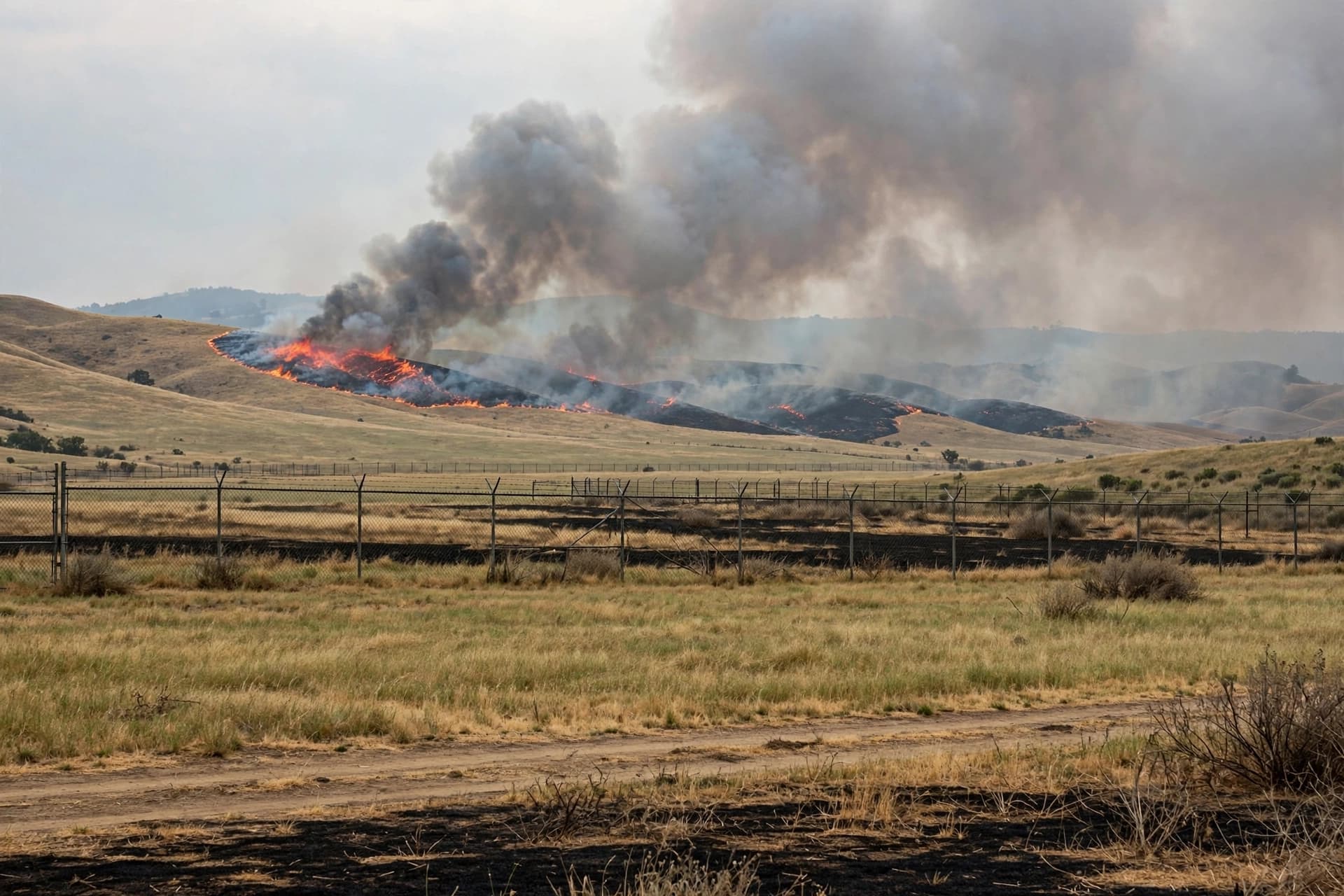
- Incident Date:A fire at CFB Wainwright on October 17 resulted in four soldiers' deaths.
- Regulatory Dispute:Sumerian Oil and Gas claims the Alberta Energy Regulator failed to secure wells before the fire.
- Ongoing Investigations:Multiple investigations are underway to assess the fire's cause and regulatory compliance.
The tragic fire that erupted at Canadian Forces Base Wainwright on October 17 has not only claimed the lives of four soldiers but has also ignited a fierce dispute between Sumerian Oil and Gas and the Alberta Energy Regulator (AER). This incident has drawn attention to the regulatory frameworks governing oil and gas operations in proximity to military training areas, raising critical questions about safety protocols and accountability.
Sumerian Oil and Gas, which held licenses for over 300 wells within the training area, found itself at the center of controversy following an order from the AER on October 5. The regulator suspended Sumerian's operations due to significant non-compliance issues, including unpaid fees and unaddressed crude leaks. This order mandated that all of Sumerian's assets, including the wells located on the military base, be managed by the Orphan Well Association (OWA), with a directive to shut down operations within fourteen days.
However, Sumerian officials contend that they communicated to the AER that the fourteen-day timeline was unfeasible due to the complexities involved in accessing wells on an active military base. They assert that when the fire broke out, they contacted the OWA's emergency line only to be informed that their wells had not been secured and that the OWA would not be attending the base until October 27. This claim raises alarming concerns about the safety of the wells during the fire, which could have exacerbated the situation.
In contrast, the OWA has maintained that all Sumerian wells on CFB Wainwright were inspected and secured prior to the fire. Lars DePauw, the president of the OWA, stated that the association is actively addressing compliance issues but did not clarify the timeline of these actions relative to the fire. The OWA also distanced itself from any emergency response activities during the incident, further complicating the narrative surrounding the tragedy.
Military investigators have ruled out the possibility that oil and gas infrastructure was responsible for the fire. Major General Wade Rutland confirmed that the fire originated from a training exercise on a grenade-launcher range, an area that posed significant risks and was inaccessible to base firefighters. As investigations continue, they will delve into the fire's threat assessment and the adequacy of safety measures in place.
In the aftermath of the tragedy, Sumerian has announced plans to appeal the AER's regulatory order and is seeking a court injunction to regain control of its assets. The company has also called upon Alberta Energy Minister Brian Jean to review the regulator's actions. However, the minister's office has not responded to inquiries regarding the situation. As of now, Sumerian's website appears to be offline, adding another layer of uncertainty to the unfolding events.
For the families of the deceased soldiers, the ongoing dispute between Sumerian and the AER may seem distant and bureaucratic. Their focus remains on the profound loss they have suffered, and the lingering question of whether the systems designed to ensure safety at the base were functioning as intended. As investigations progress, the hope is that they will provide clarity and accountability in a situation that has left many grappling with grief and unanswered questions.
Published by Banx Network. This article is part of the Banx decentralized media programme, powered by the BXE token on the XRP Ledger.