
Key Highlights
- WTO has downgraded its global trade growth forecast for 2026 to 0.5%.
- The previous forecast was 1.8%, reflecting significant economic challenges.
- Factors influencing the downgrade include weakened demand and geopolitical tensions.
The World Trade Organization (WTO) has announced a significant reduction in its global trade growth forecast for 2026, now projecting an increase of only 0.5%, a sharp decline from the earlier estimate of 1.8%. This adjustment highlights the ongoing challenges faced by the global economy, including weakened demand, geopolitical disruptions, and an uneven recovery among major economies.
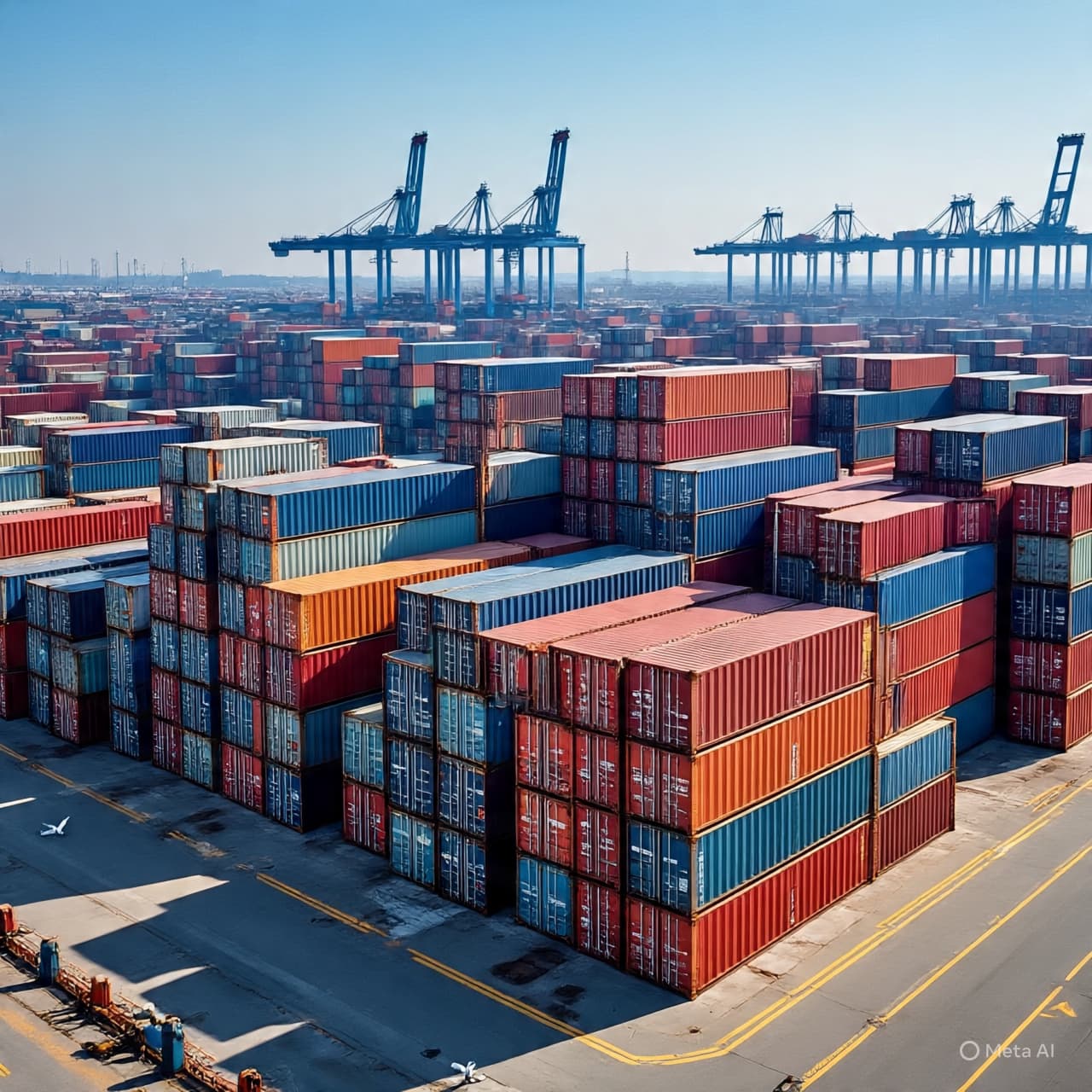
The WTO's report indicates that container volumes have been particularly sluggish, especially in trade routes between Asia and Europe. Shipping costs remain high, and various trade barriers continue to hinder the flow of goods. Economists emphasize that restoring predictability in global trade will require a renewed commitment to open-market principles and substantial investments in both digital and green infrastructure.
Geopolitical tensions, particularly those arising from conflicts and trade disputes, have further complicated the landscape for international trade. The WTO's Secretary-General has called for collaborative efforts among member countries to address these issues and foster a more stable trading environment. Without such cooperation, the prospects for recovery and growth in global trade remain uncertain.
In light of these challenges, the WTO has urged nations to prioritize trade facilitation measures that can help offset the negative impacts of new trade restrictions. The organization has noted that while some countries have implemented trade-facilitating measures, the overall trend has been towards increased protectionism, which could stifle economic growth.
As the world grapples with these economic realities, the importance of maintaining open trade channels cannot be overstated. Experts argue that a collective approach to trade policy, focusing on sustainability and innovation, is essential for navigating the complexities of the current global market.
The WTO's revised forecast serves as a wake-up call for policymakers and business leaders alike, emphasizing the need for strategic planning and adaptability in the face of ongoing uncertainties. As the global economy continues to evolve, the ability to respond effectively to these challenges will be crucial for ensuring long-term growth and stability in international trade.
Published by Banx Network. This article is part of the Banx decentralized media programme, powered by the BXE token on the XRP Ledger.



