
Key Highlights
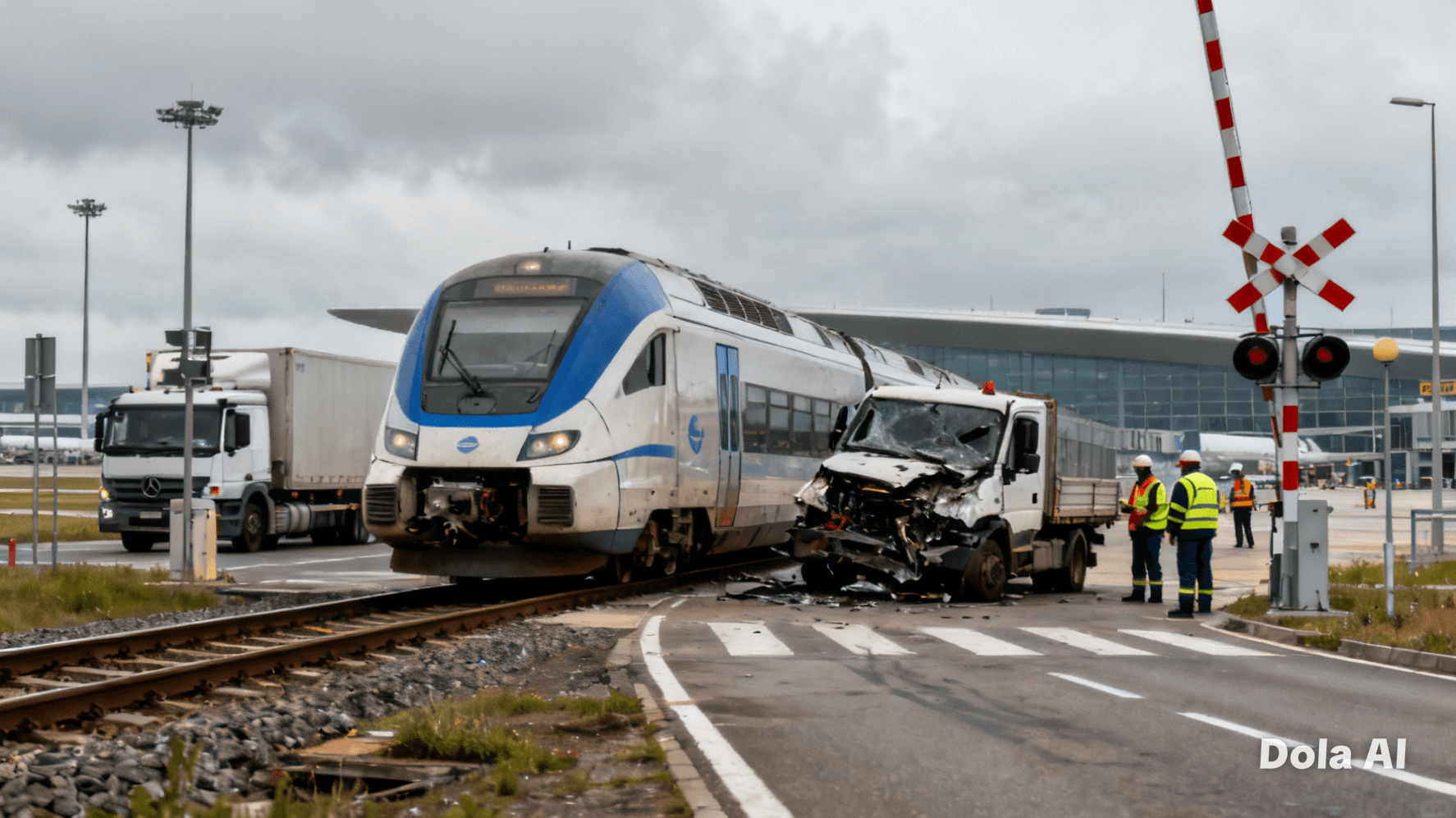
- Incident Overview:A recent collision involving an airport rail link and a truck raised significant safety concerns.
- Safety Protocols:Experts emphasize the need for reinforced safety measures at rail crossings.
- Technology Integration:The crash may accelerate the adoption of smart safety technologies in rail systems.
The recent collision of an airport rail link with a truck has not only disrupted service but also sparked a national conversation about rail safety and infrastructure resilience. This incident, which briefly halted operations, serves as a critical reminder of the vulnerabilities inherent in modern transport systems. While immediate responses focused on passenger safety and restoring service, the longer-term implications are profound and multifaceted.
In the aftermath of such incidents, one of the primary responses is often a comprehensive review of safety protocols at rail crossings. Collisions between trains and road vehicles frequently lead authorities to reassess the effectiveness of existing barriers and signaling systems. Enhanced monitoring and stricter enforcement of crossing regulations may follow, aiming to prevent unauthorized access and improve overall safety for both rail and road users.
Additionally, rail operators typically conduct thorough audits of their infrastructure and operations following an incident. These audits evaluate critical components such as braking systems, track conditions, and communication protocols. The findings often lead to necessary upgrades that bolster the resilience of the rail network, ensuring that it can withstand future challenges.
Public confidence in rail travel is another crucial aspect affected by such accidents. Even in the absence of mass casualties, high-profile incidents can significantly alter traveler perceptions. Restoring this confidence requires transparent communication from rail authorities, safety campaigns, and visible improvements in infrastructure. Passengers need reassurance that their safety is a priority, and that lessons learned from past incidents are being implemented effectively.
Regulatory bodies may also respond to these incidents by tightening compliance requirements for heavy vehicles operating near rail corridors. This could involve revising routing rules, enhancing licensing oversight, or imposing stricter penalties for violations. Such measures aim to mitigate risks and enhance safety for all transport users.
The economic ripple effects of disruptions like these can be substantial. Airport rail links are vital for business travelers, airport staff, and tourists alike. Temporary service interruptions can lead to delays in airport transfers and logistics scheduling, prompting stakeholders to reevaluate their contingency plans for future incidents. The interconnectedness of transport systems means that a single disruption can have far-reaching consequences.
Finally, the integration of smart safety technology is becoming increasingly important in modern rail systems. The recent crash may accelerate the adoption of sensors, automated detection systems, and AI-assisted monitoring tools designed to identify obstacles on tracks. Such technologies can enhance early warning capabilities, potentially preventing future accidents and improving overall safety.
As operations return to normal following the collision, the focus shifts from merely restoring service to implementing improvements that address vulnerabilities. Each incident serves as a case study, informing engineering decisions and safety protocols while shaping the collective understanding of risk within complex transport networks. For commuters and travelers, the tracks may seem unchanged, but beneath the surface, an evolving system is being shaped by the lessons learned from past disruptions, where safety drives innovation and resilience emerges from adversity.
Published by Banx Network. This article is part of the Banx decentralized media programme, powered by the BXE token on the XRP Ledger.



