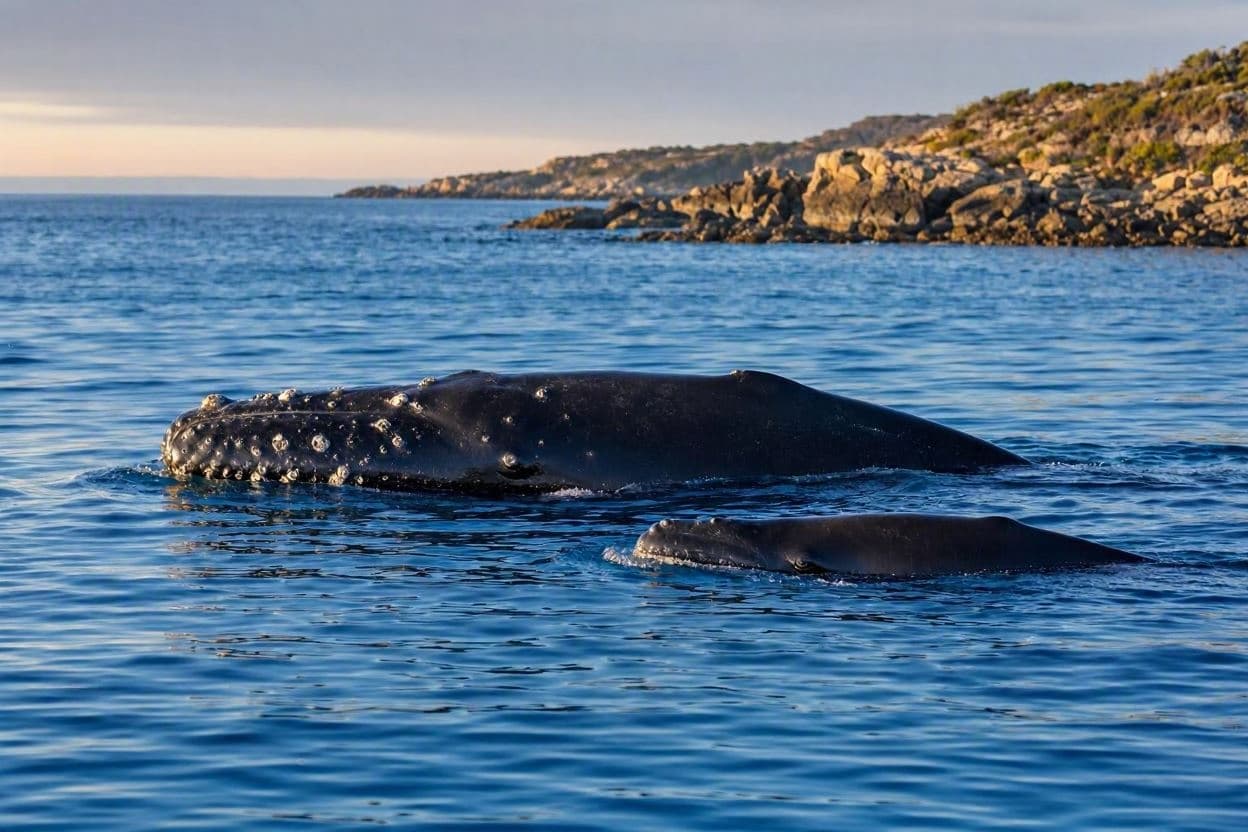
The ocean is a vast, shifting canvas, and its inhabitants are the brushstrokes that tell the story of our planet’s health. For half a century, researchers have watched the southern right whale, a gentle giant of the southern seas, with a mixture of hope and concern. Now, a comprehensive fifty-year census has revealed a subtle but significant shift in their breeding patterns off the coast of Australia, offering new insights into how these majestic creatures are adapting to a changing world.
The study, compiled by marine biologists and conservation groups, tracks the population dynamics of southern right whales from the 1970s to the present. Once hunted to the brink of extinction, these whales have shown signs of recovery, but the data indicates that their traditional calving grounds are experiencing changes. While some areas remain popular, there is a noticeable migration toward cooler, more southern waters, particularly along the western and southern coasts of the continent. This movement suggests a response to environmental pressures.
Climate change is believed to be a primary driver of this shift. Rising sea temperatures affect the distribution of krill, the primary food source for many whale species, and may also impact the comfort and safety of calves in warmer nursery waters. By moving south, the whales may be seeking optimal conditions for raising their young. This behavioral adaptation highlights the resilience of nature, but also underscores the urgency of addressing global warming. It is a silent migration driven by survival.
The census methodology has evolved over the decades, from simple visual counts to advanced drone technology and acoustic monitoring. These tools have provided a more accurate picture of population health, revealing not just numbers but also behavioral trends. Researchers can now identify individual whales through unique callosity patterns on their heads, allowing for long-term tracking of life histories. This detailed knowledge is crucial for effective conservation strategies.
Despite the positive trend in overall numbers, challenges remain. Entanglement in fishing gear and ship strikes continue to pose threats to the recovering population. The shift in breeding locations also means that protection zones may need to be adjusted to cover new areas. Policymakers and industry stakeholders are being urged to collaborate on dynamic management plans that can adapt to the whales’ changing habits. Conservation must be as flexible as the animals it seeks to protect.
The cultural significance of the southern right whale to Indigenous communities in Australia is profound. For thousands of years, these whales have been part of coastal lore and spiritual practice. Their return and shifting presence are watched with deep respect and interest. The census data not only serves science but also enriches the cultural connection between people and the sea. It is a shared heritage that demands shared responsibility.
International cooperation is also key, as southern right whales migrate across national boundaries. Data sharing between Australia, New Zealand, South Africa, and South America helps create a holistic view of the species’ status. This global perspective ensures that conservation efforts are coordinated and effective. The whales belong to no single nation; they are citizens of the ocean, requiring a united approach to their stewardship.
As the next decade begins, researchers plan to expand the census to include genetic sampling, which will provide deeper insights into the population’s diversity and resilience. The story of the southern right whale is one of recovery and adaptation, a testament to the power of persistent conservation effort in the face of environmental change.
AI Image Disclaimer: Please note that any accompanying illustrations for this article are AI-generated and intended for representational purposes only.
Sources: ABC News (Australia) The Guardian
Published by Banx Network. This article is part of the Banx decentralized media programme, powered by the BXE token on the XRP Ledger.