Sometimes the contours of a policy seem as soft as an early morning fog — diffused in talk and intent before the sun lifts it into clearer shape. In the corridors where Europe’s future is quietly sketched, a proposal now ripples outward: an idea that the green technologies powering tomorrow might bear a simple, resonant mark of origin — Made in Europe. It echoes like a whisper of shared intention, a notion of stewardship that seeks not sharp division but a gentle reaffirmation of common roots.
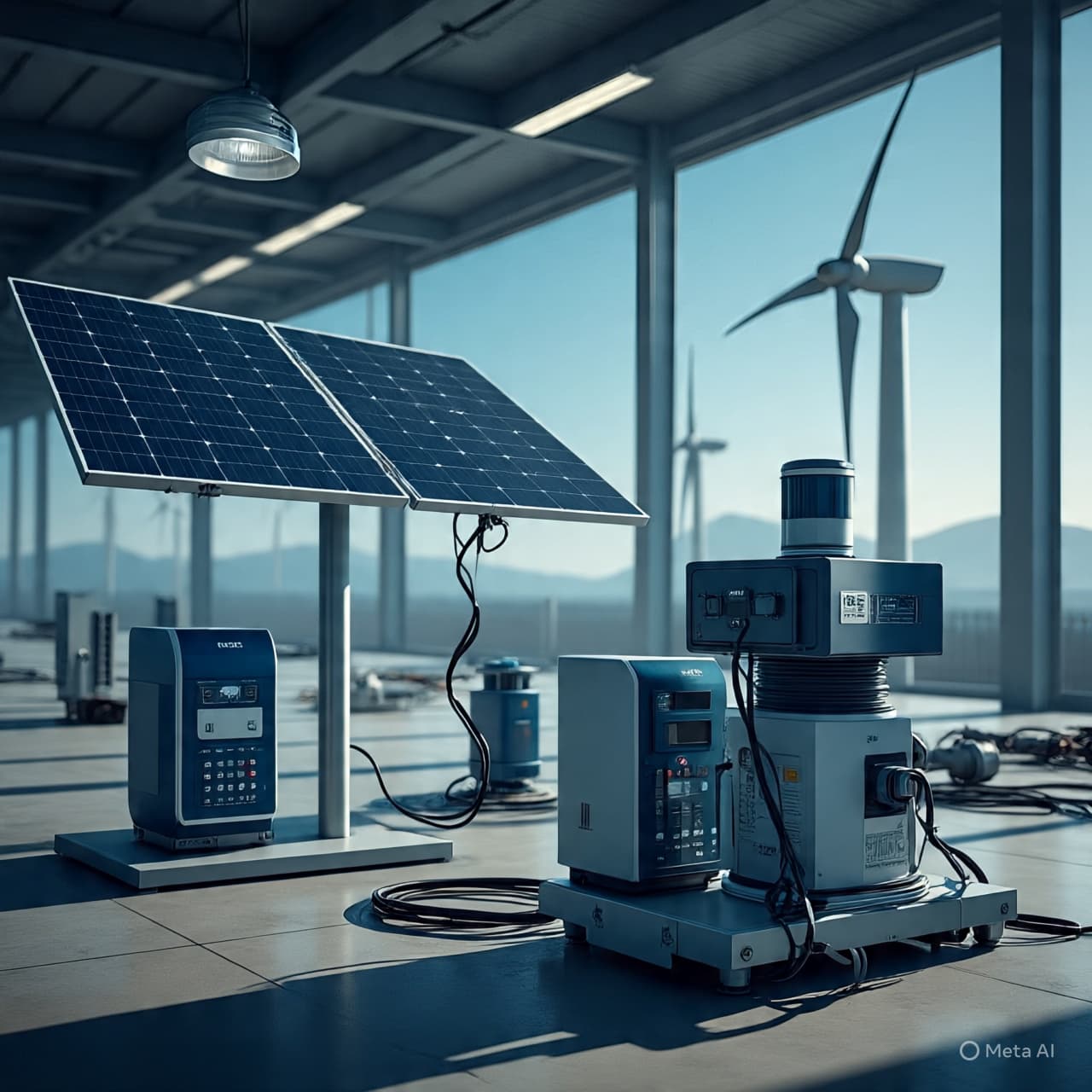
In Brussels these days, where the architecture of union and industry intersects, the European Commission is preparing draft regulations that would, over time, require public authorities to prefer those green technologies assembled and sourced within the European Union. It is a thought shaped by both practicality and symbolism. Much as a gardener tends tender saplings so they grow robust and enduring, policymakers argue that Europe’s industrial base — especially for batteries, solar panels, wind turbines, and electric vehicles — merits deliberate care and cultivation.
Under the proposal, once the law takes effect, publicly procured battery systems would need to be assembled inside the EU, with certain key components also meeting European origin criteria. As seasons of implementation pass, those rules would tighten, asking more of what counts as European-made, whether that be battery cells or other core parts. It reflects an eagerness to ensure that the green transition — a journey shared across continents and economies — resonates first within the union’s workshops and factories.
There is a broader landscape surrounding this idea. Europe’s industrial strategy, particularly within initiatives like the Clean Industrial Deal, seeks to spur demand for products that are sustainable and resilient, aligning economic strength with environmental transition. These regulatory pathways are not about walls or withdrawal, but about balance and intentionality in who makes what, and where those creations take shape.
Yet, this measure also stands at an intersection where ideals meet practical debate. Some voices within member states welcome the emphasis on strengthening local industry and reducing dependence on imports, especially where global markets have swung toward cheaper alternatives from afar. Others express caution, wondering whether such new criteria could reshape competitive dynamics or raise costs. In this unfolding story, the European Union is treading a path that seeks not to prescribe one single melody, but to harmonize many in pursuit of a greener, more self‑reliant future.
As the draft moves from proposal to discussion among legislators and stakeholders, its contours will be examined and gently reshaped, much like a draft of music before the first public performance. In this soft weave of policy and purpose, Europe’s effort to define Made in Europe for green technologies reflects broader questions about identity, interdependence, and collective aspiration in a changing world.
AI Image Disclaimer “Illustrations were produced with AI and serve as conceptual depictions.”
Sources Reuters, NewsBytes, Bilyonaryo, European Commission (Clean Industrial Deal context), Wikipedia (Made in EU background)
Published by Banx Network. This article is part of the Banx decentralized media programme, powered by the BXE token on the XRP Ledger.