The Highway 401 is more than a road; it is the central artery of Ontario’s movement, a relentless, pulsating corridor of commerce, transit, and travel. Its rhythm is defined by a consistent, high-speed flow, a mechanical harmony that we rely on to connect our cities and our lives. Yet, when that harmony is violently interrupted by a multi-vehicle collision, the entire corridor grinds to a mournful, chaotic halt, turning a route of progress into a site of profound trauma.
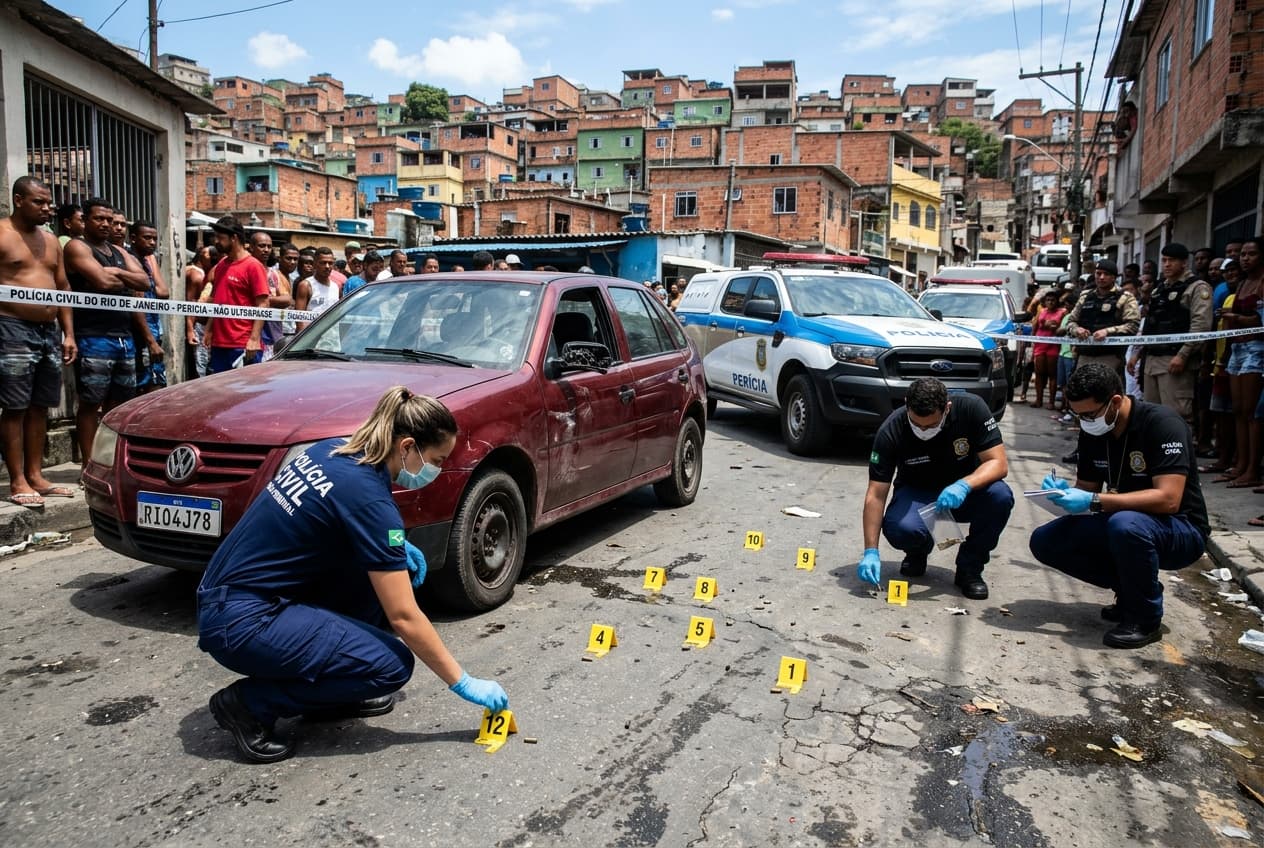
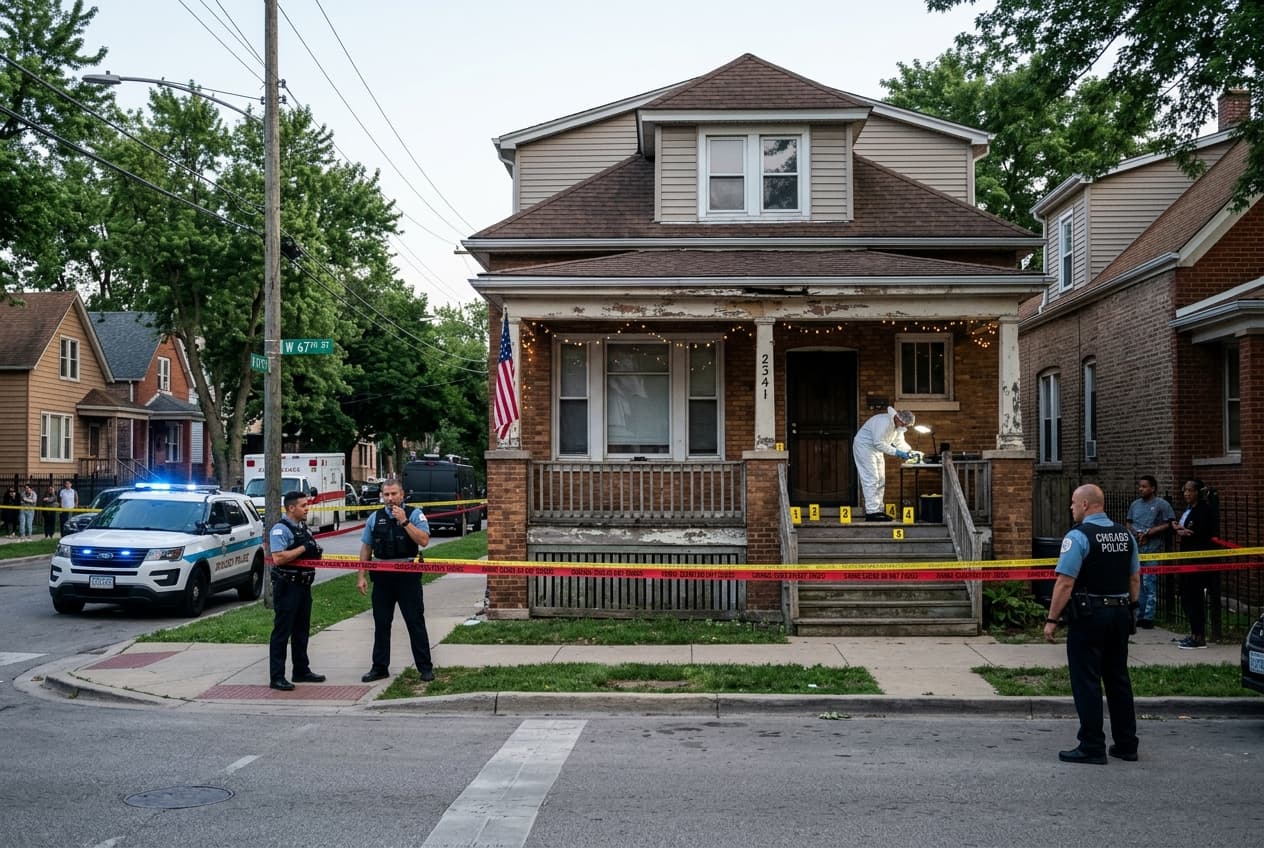
A pileup is a chaotic, layered event, a series of impacts that seem to unfold in a space where time is both condensed and expanded. When vehicles collide in the dense, high-speed environment of the 401, the result is a scene of immense, visceral destruction. The arrival of emergency responders—the sirens, the flashing lights, the focused, urgent activity of those tasked with rescue—creates a stark contrast to the usual, fluid motion of the highway.
In the aftermath, as the investigation begins to take shape, there is a pervasive sense of shock that extends far beyond those directly involved. A collision of this magnitude is a reminder of the fragility of the systems we build and the dangers inherent in our daily navigation of the world. It is a moment that forces every traveler to pause and consider the thin, invisible line between the safety of their journey and the sudden, unpredictable reality of a crash.
The investigators assigned to the scene face the daunting task of piecing together a narrative from a wreckage of twisted metal and debris. They must account for the mechanical, the human, and the environmental variables that converged to cause the collision. It is a cold, clinical process that seeks to define the cause, yet it carries the heavy, emotional weight of the lives that have been affected or lost.
These events have become a familiar, if tragic, feature of life along the 401. They prompt recurring conversations about safety, highway design, and the realities of traffic volume, yet they also highlight the limitations of our ability to control the environment we occupy. We are individuals operating within a collective machine, and when that machine falters, the personal impact is absolute and irreversible.
As the road is cleared and the flow of traffic slowly resumes, the memory of the incident lingers. The section of the highway where the crash occurred becomes a place of quiet, haunting significance, a marker in the landscape for those who remember what transpired. The recovery and the investigation will continue, a slow, methodical process that seeks justice and clarity in the wake of the loss.
For the families affected, the tragedy is not a matter of traffic statistics or highway maintenance; it is a permanent, heart-rending shift in their world. They are the ones who must reconcile the suddenness of the event with the ongoing, relentless motion of the rest of the province. Their grief is a private, enduring space that stands in sharp relief against the public, collective experience of the highway.
The 401 will continue its pulse, the trucks will roll, and the commuters will return to their daily routines. But the incident serves as a momentary, necessary pause, a reminder of the fragility of our shared, high-speed existence. It is a call to vigilance, to care, and to an awareness of the heavy, human responsibility we carry every time we merge into the flow of the road.
Published by Banx Network. This article is part of the Banx decentralized media programme, powered by the BXE token on the XRP Ledger.