In the slow ballet of celestial mechanics, our Moon appears serene—an ever-present silver guardian in the night sky. Yet, recent scientific work has begun to reveal that beneath this calm face of maria and highlands lies a more dynamic story, one that could quietly shape humanity’s next steps across its dusty plains. For researchers and planners of lunar exploration alike, uncovering the Moon’s subtle geological rhythms is akin to reading an ancient text: fragments of history that may guide future journeys. The newest chapter in that text comes in the form of a global map of small mare ridges—features that tell of tectonic stresses and potential tremors on our nearest celestial neighbor.
Scientists at the Smithsonian’s Center for Earth and Planetary Studies and collaborators have created the first comprehensive catalog of these small mare ridges (SMRs), subtle compressional landforms scattered across the Moon’s dark volcanic plains known as maria. Published in The Planetary Science Journal at the end of 2025, the work combines more than 1,100 newly identified ridges with previously known examples, doubling the known population of these young features and offering a more complete picture of recent tectonic activity.
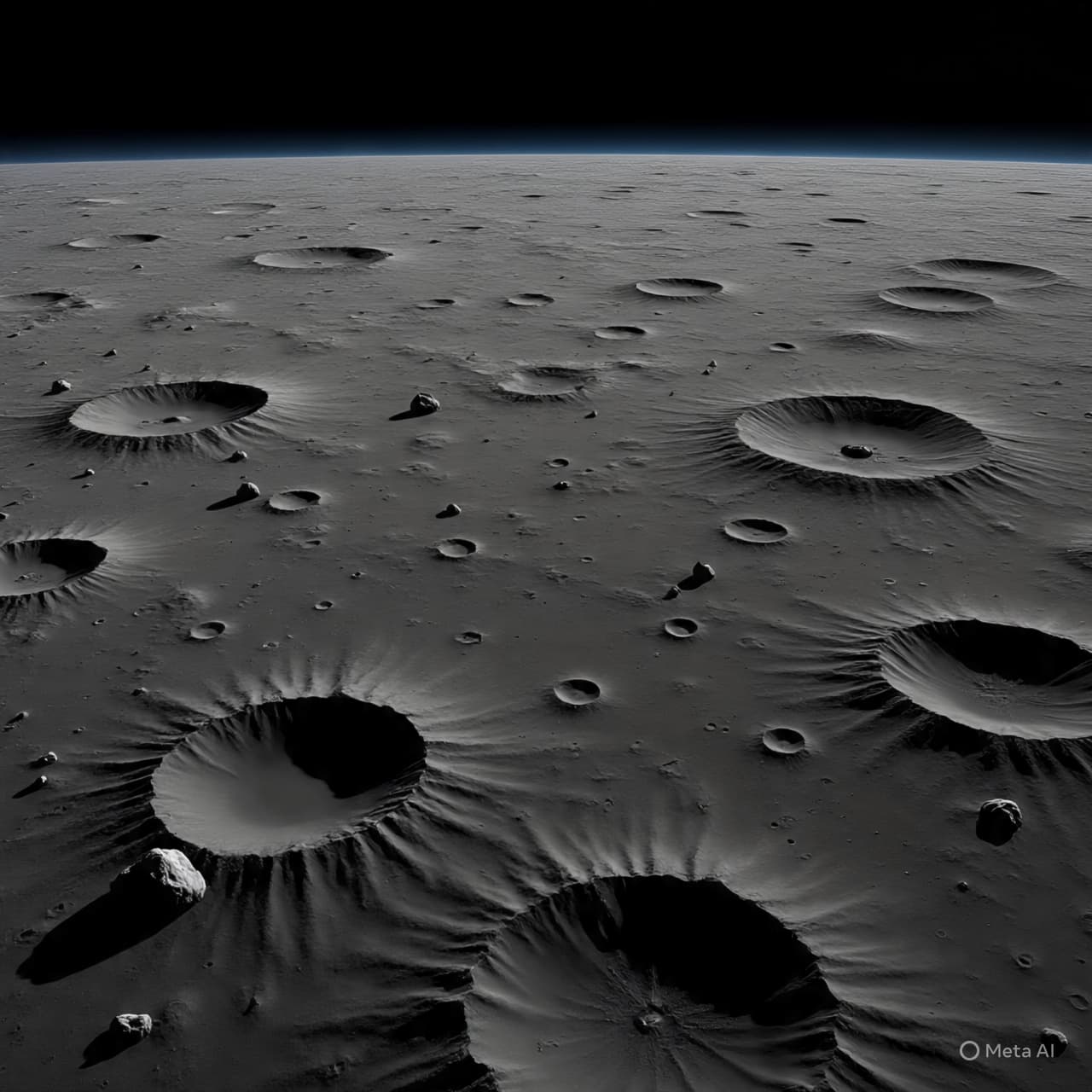
Unlike Earth with its shifting tectonic plates, the Moon’s crust is a single, solid shell. As the Moon cools over billions of years, its interior contracts, causing the surface to compress and form wrinkles and ridges. Though gentle by terrestrial standards, these motions are not trivial for explorers walking on lunar soil. SMRs form along thrust faults where crustal blocks have been pushed together, a process that can generate moonquakes—seismic shaking recorded on past missions and now more widely mapped thanks to these new findings.
For NASA’s Artemis program and its international partners—the next era of lunar exploration aimed at returning humans to the surface and eventually building sustainable outposts—the map of SMRs is more than an academic curiosity. In planning where to land astronauts, deploy scientific instruments, or situate long-duration bases, understanding where the ground beneath their boots may subtly shift offers vital context. Just as seismologists on Earth factor in fault lines and quake risks when designing infrastructure, mission planners can now fold these lunar geological insights into their risk assessments and engineering considerations.
Though the Moon’s tectonic activity operates at a scale far slower and subtler than Earth’s restless plates, the implications for future missions are practical rather than dramatic. Regions once thought geologically quiet may now be reclassified based on the presence of SMRs, prompting updated safety evaluations for crewed expeditions and robotic precursors. This work adds to broader efforts to chart not just the Moon’s beauty, but its behavior—an essential step for any society that will one day walk among its shadows and light.
In the final analysis, the Moon’s small mare ridges are physical reminders of an object still in motion. For engineers and explorers preparing for Artemis-era missions, this map offers not only scientific insight but also a piece of the lunar environment’s intricate tapestry—a resource to be studied, respected, and integrated into humanity’s unfolding lunar story.
AI IMAGE DISCLAIMER Graphics are AI-generated and intended for representation, not reality.
SOURCES BASED ON SOURCES ROLE Smithsonian Planetary Science Journal study NASA/Lunar Reconnaissance Orbiter mapping data ScienceDaily coverage Phys.org science report AOL space reporting
Published by Banx Network. This article is part of the Banx decentralized media programme, powered by the BXE token on the XRP Ledger.