
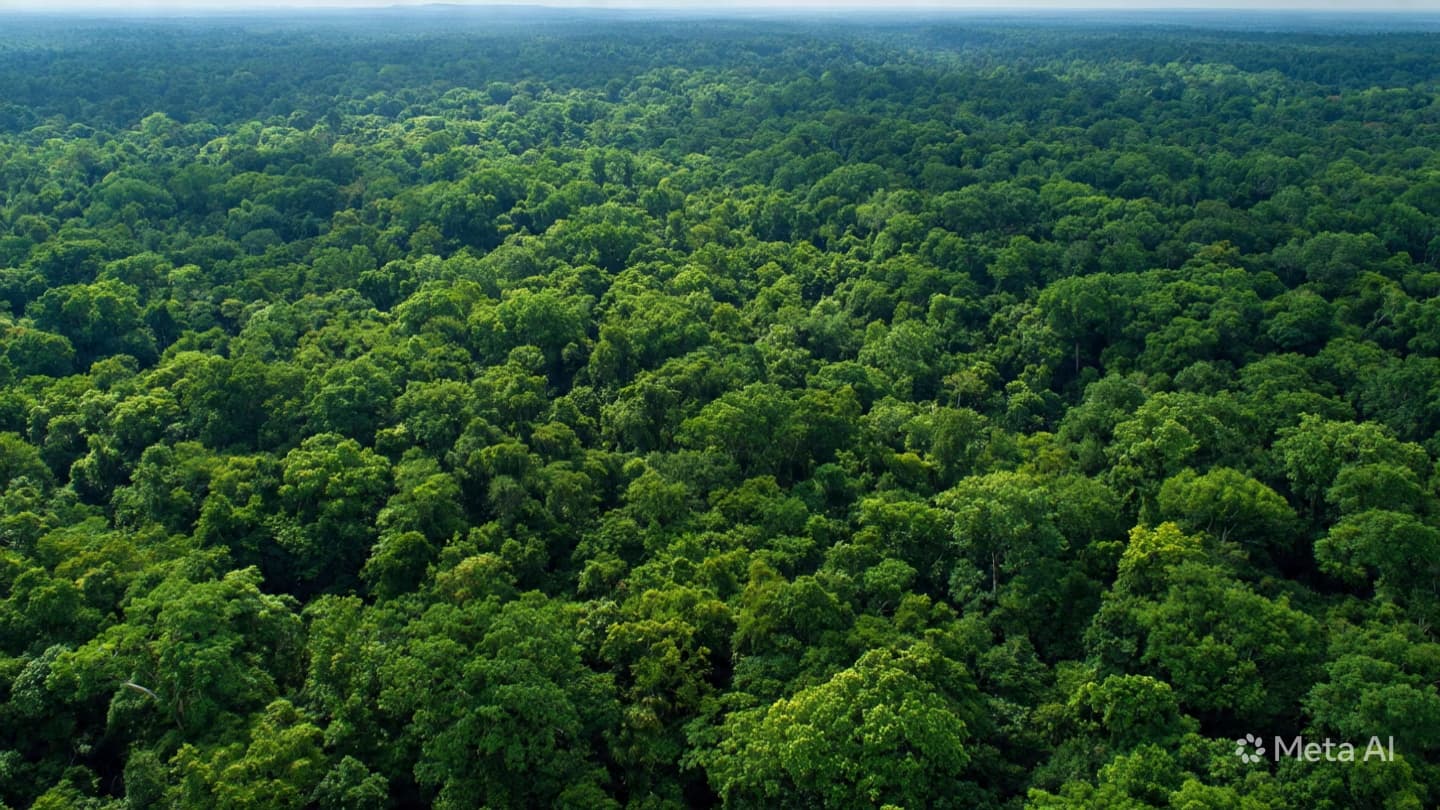
The Maya Biosphere Reserve is a landscape of profound stillness, where the rhythm of life is dictated by the slow, deliberate growth of the forest and the migration of the creatures that call it home. It is a place that feels removed from the urgent demands of the modern world. However, this vast, protected expanse has also become a focal point for the transit of illicit goods, as traffickers seek to leverage the remoteness of the terrain to move their wares beyond the notice of the conventional law.
In recent months, the record of interdictions within the reserve has shown a steady, notable increase. This is not necessarily an indication of a surge in trafficking activity, but rather a reflection of the intensified commitment to the security of the biosphere. The forces tasked with its protection have expanded their reach, utilizing a combination of aerial surveillance, coordinated patrols, and a deeper integration of intelligence to monitor the corridors that slice through the jungle.
The nature of these interdictions is quiet and precise. They occur in the deep, untracked sections of the reserve, where the challenge of the terrain is a constant companion to the mission of interdiction. By maintaining a persistent presence in these sensitive areas, the security forces are creating an environment of uncertainty for the traffickers. The pathways that were once seen as safe corridors are now being transformed into zones of high risk, where the likelihood of discovery is increasing with each passing day.
This escalation is a response to the need to preserve the integrity of the reserve, not just for its environmental value, but for its role as a critical space of national sovereignty. The biosphere is a testament to the beauty of the natural world, and its misuse by illicit actors is a violation of the sanctity that the state is committed to protect. The efforts of the security forces are, at their core, an act of stewardship, ensuring that the reserve remains a space governed by the rhythm of nature rather than the impulse of the trade.
The ongoing interdictions are also a reflection of the regional effort to harmonize security across the borderlands. By sharing intelligence and coordinating movements, the forces are developing a more cohesive understanding of how the transit networks exploit the biosphere’s unique geography. This collaborative approach is essential, as the traffickers themselves are highly adaptive, constantly searching for the gaps in the coverage that the vastness of the reserve provides.
As the report of increased activity continues to circulate, the sense of watchfulness within the biosphere is palpable. The forest continues to grow, indifferent to the activities of men, but the commitment of those tasked with its security remains unyielding. It is a quiet, long-term work—a vigil held in the heart of the jungle to ensure that the paths of the biosphere are cleared of the shadow of the illicit and returned to the quietude of their natural, intended state.
Published by Banx Network. This article is part of the Banx decentralized media programme, powered by the BXE token on the XRP Ledger.
.jpg&w=3840&q=75 "Romania Passes Controversial Integrity Law for Officials to Access EU Funds")
