

Key Highlights
- President Trump invites oil executives to invest in Venezuela's oil sector.
- Venezuela's oil production has drastically declined due to past nationalizations and sanctions.
- Companies express interest but seek legal clarity before committing to investments.
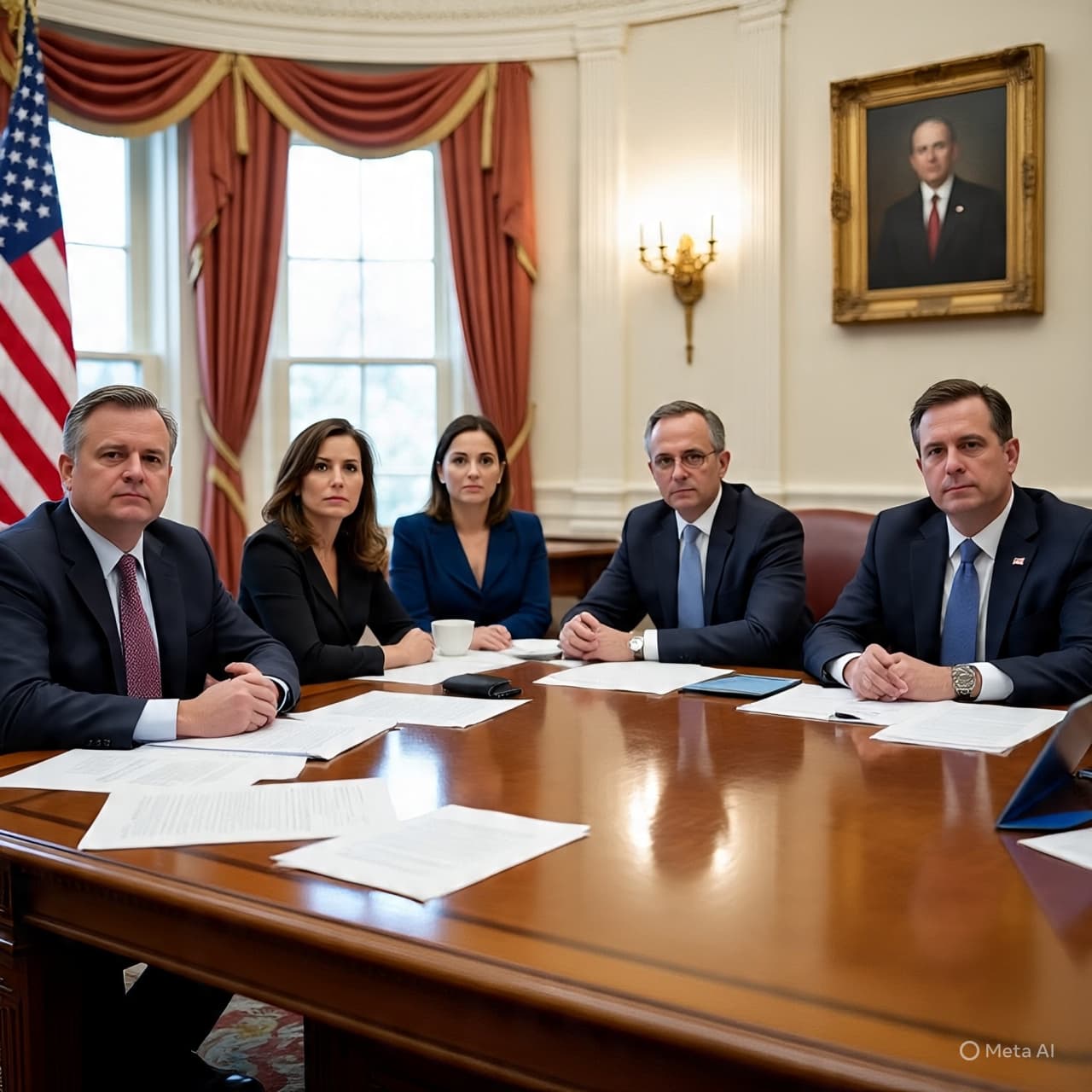
In a significant move that intertwines politics and commerce, U.S. President Donald Trump recently convened a meeting with oil executives to discuss the potential revitalization of Venezuela's oil industry. This meeting, held in the White House, was marked by a blend of optimism and caution, as executives listened to the president's assurances of safety in a country long plagued by political and economic turmoil. Trump stated, "You have total safety," a phrase that resonated with some as a beacon of hope while others viewed it with skepticism, given Venezuela's tumultuous history.
Venezuela, once a powerhouse in oil production, has seen its output plummet from millions of barrels per day to a mere trickle. The country’s oil infrastructure is aging, and its legal landscape remains complicated due to past nationalizations and ongoing sanctions. Major companies, including ExxonMobil, have expressed reservations about investing in Venezuela, citing the need for a stable legal framework and assurances against potential losses. These concerns echo the sentiments of seasoned investors who are wary of navigating the unpredictable waters of Venezuelan politics.
During the meeting, Trump urged the executives to consider a revitalization effort that would require at least $100 billion in private capital, emphasizing that these funds would not come from federal sources. The imagery he painted was grand: a return to towering rigs and bustling pipelines, a revival of an industry that once thrived. However, the executives' enthusiasm was tempered by the sobering reality that promises of safety and stability cannot erase the scars of past upheavals.
The administration's call for investment reflects a broader strategy to engage with international partners while asserting U.S. interests in the region. Trump framed the opportunity as a chance for American ingenuity and capital to breathe life into Venezuela's dormant resources. Yet, companies remain cautious, emphasizing the need for legal clarity and durable frameworks before they can commit their resources.
As the meeting concluded, the atmosphere was charged with a mix of hope and apprehension. The history of oil in Venezuela is a complex tapestry woven with both wealth and strife. The world watches closely, aware that the decisions made in these corridors of power will have implications that extend far beyond balance sheets. In the realm of energy and geopolitics, every promise made today shapes the landscape of tomorrow, as stakeholders navigate the delicate balance between opportunity and risk.
In this evolving narrative, the push and pull of history is palpable. Oil once flowed freely in Venezuela, but the current climate demands a cautious approach. The dialogue between optimism and pragmatism continues, as both the U.S. administration and oil executives seek a path forward that acknowledges the challenges while striving for a brighter future in the energy sector.
Published by Banx Network. This article is part of the Banx decentralized media programme, powered by the BXE token on the XRP Ledger.




