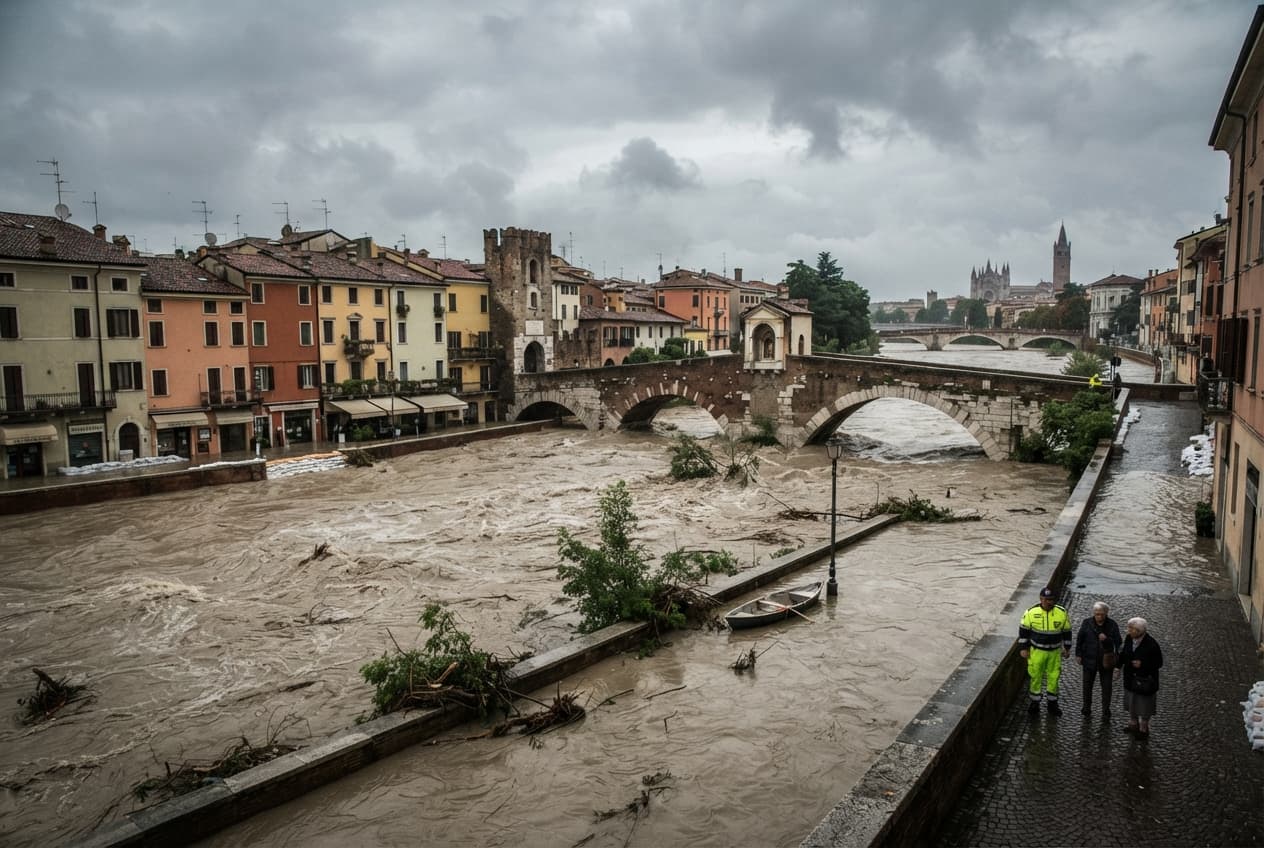
Milan, Italy—Swollen river channels broke through earthen levees early Friday morning following days of relentless rainfall. Muddy torrents surged into residential quarters before families could evacuate their ground-floor apartments. Sirens wailed across the valley as municipal authorities issued urgent loudspeaker warnings to residents. Fast-flowing water swept parked automobiles down narrow medieval streets like plastic toys. Emergency services confirmed that three individuals drowned after becoming trapped in underground cellars.
Firefighting dive teams deployed inflatable motorboats to navigate flooded alleys and reach stranded rooftop occupants. Rescuers hoisted elderly residents through second-story windows using pulley systems and ropes. Civil protection volunteers stacked sandbags along secondary defensive lines to protect historic town centers. Mudslides cut off mountain rail links, stranding hundreds of commuters at regional transit hubs. Hospitals activated emergency protocols as basement utility rooms filled with brown river silt.
Regional governors declared a state of emergency across three northern provinces severely impacted by the deluge. Hydrogeologists noted that mountain soils reached total saturation limits within forty-eight hours of continuous storms. Reservoirs upstream opened emergency spillways to prevent catastrophic dam wall failures downstream. Agricultural associations reported hundreds of hectares of vineyards and orchards submerged under thick mud. Local mayors criticized decades of deferred infrastructure maintenance for worsening the flood impact.
The national railway corporation suspended all commercial services running through the affected alpine corridors. Passenger terminals filled with frustrated travelers seeking alternative ground transportation options that did not exist. Military transport helicopters arrived at regional airstrips to assist with isolated civilian extractions. Search teams utilized thermal imaging drones to scan flooded industrial parks for missing workers. Utility providers cut natural gas lines in submerged districts to prevent secondary explosions.
Insurance representatives warned of unprecedented claims stemming from ruined commercial inventories and structural collapses. Environmental activists pointed to unchecked urban sprawl and riverbed concrete paving as aggravating factors. Local shop owners spent the afternoon shoveling thick sediment out of flooded storefronts. Municipal waste management crews deployed front-end loaders to clear mountains of ruined furniture from streets. Government ministers scheduled an emergency cabinet meeting to allocate initial recovery funds.
River gauges showed water levels remaining dangerously high despite a brief pause in rainfall. Swift-water rescue units remained stationed at strategic bridge crossings throughout the afternoon hours. Residents gathered on elevated overpasses to watch debris slam against ancient stone bridge arches. Police cordoned off unstable riverside roads threatened by ongoing ground erosion beneath asphalt. Civil engineers inspected bridge foundations for potential structural scouring caused by fast currents.
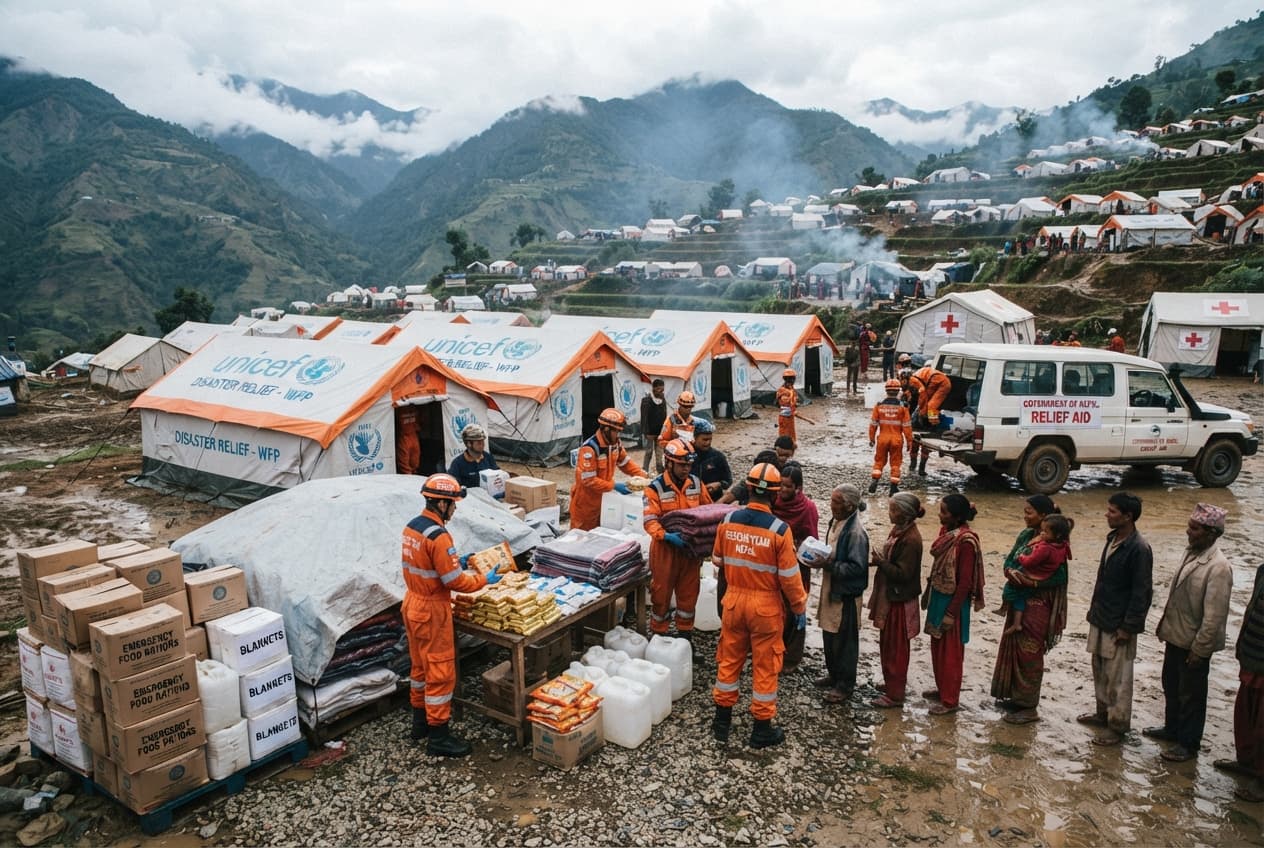
Relief camps established inside municipal sports halls struggled to accommodate the influx of displaced families. Volunteers distributed hot meals and dry clothing to shivering evacuees arriving from flooded sectors. Power companies dispatched mobile generators to keep municipal water treatment plants operational. Public health officials warned citizens against consuming untreated tap water due to sewage contamination.
Engineering teams monitor water pressure against temporary barriers as fresh storm clouds gather upstream.
Published by Banx Network. This article is part of the Banx decentralized media programme, powered by the BXE token on the XRP Ledger.