In the quiet corridors of a shuttered facility in Manitoba, where silence has replaced the daily rhythms of care and community, a new political vision is taking shape. The Progressive Conservative party has proposed repurposing the former residential center for people with disabilities into a dedicated addictions recovery hub. This suggestion, born out of a pressing need for mental health and substance use resources, sparks a complex conversation about legacy, utility, and the evolving priorities of social services.
The facility, which closed its doors amid shifting policies toward community-based care, stands as a physical reminder of a different era in disability support. Its large infrastructure and existing layout offer a potential shortcut for the province’s struggling addiction treatment system, which faces long waitlists and limited capacity. Proponents argue that transforming an empty building is both fiscally responsible and socially urgent, turning a relic of the past into a beacon of hope for the present.
However, the proposal has drawn scrutiny from disability advocates and families who remember the institution fondly or have unresolved concerns about its closure. For them, the site holds emotional weight, representing a time when segregation was the norm rather than the exception. Converting it into an addiction center raises questions about whether this repurposing honors the history of the site or merely exploits its vacancy. It is a delicate balance between pragmatic governance and respectful memory.
Addiction specialists welcome the idea of increased capacity, noting that the crisis in Manitoba requires bold and immediate action. A dedicated center could provide integrated care, combining medical treatment with psychological support in a stable environment. The structure of the old facility, with its private rooms and communal spaces, may be well-suited for residential recovery programs. This adaptive reuse could serve as a model for other provinces facing similar challenges.
Yet, critics warn against viewing addiction treatment as a simple matter of real estate allocation. Effective recovery requires specialized staff, comprehensive programming, and long-term funding, not just walls and beds. There are concerns that rushing the conversion might overlook the specific needs of both populations—those with disabilities and those battling addiction. Ensuring that the new center is equipped to handle complex cases is crucial for its success.
The political debate reflects broader tensions in healthcare policy. How does society allocate scarce resources among competing needs? Is it fair to prioritize one vulnerable group over another, or can the transformation benefit both? These questions do not have easy answers, but they demand thoughtful dialogue. The government must navigate these concerns with transparency and empathy, ensuring that all voices are heard.
Community engagement will be key to the project’s viability. Residents, former staff, and advocacy groups must have a say in how the space is redesigned and operated. Their input can help shape a facility that is not only functional but also dignified and inclusive. By involving stakeholders early, the province can build trust and ensure that the new center meets the actual needs of the population it serves.
In the end, the proposal to convert the Manitoba facility is a test of creative problem-solving. It challenges leaders to look at unused assets with fresh eyes while respecting their history. If done with care and consultation, the transformation could provide much-needed relief to those suffering from addiction. It is a step toward a more responsive and resourceful healthcare system, bridging the gap between past structures and future needs.
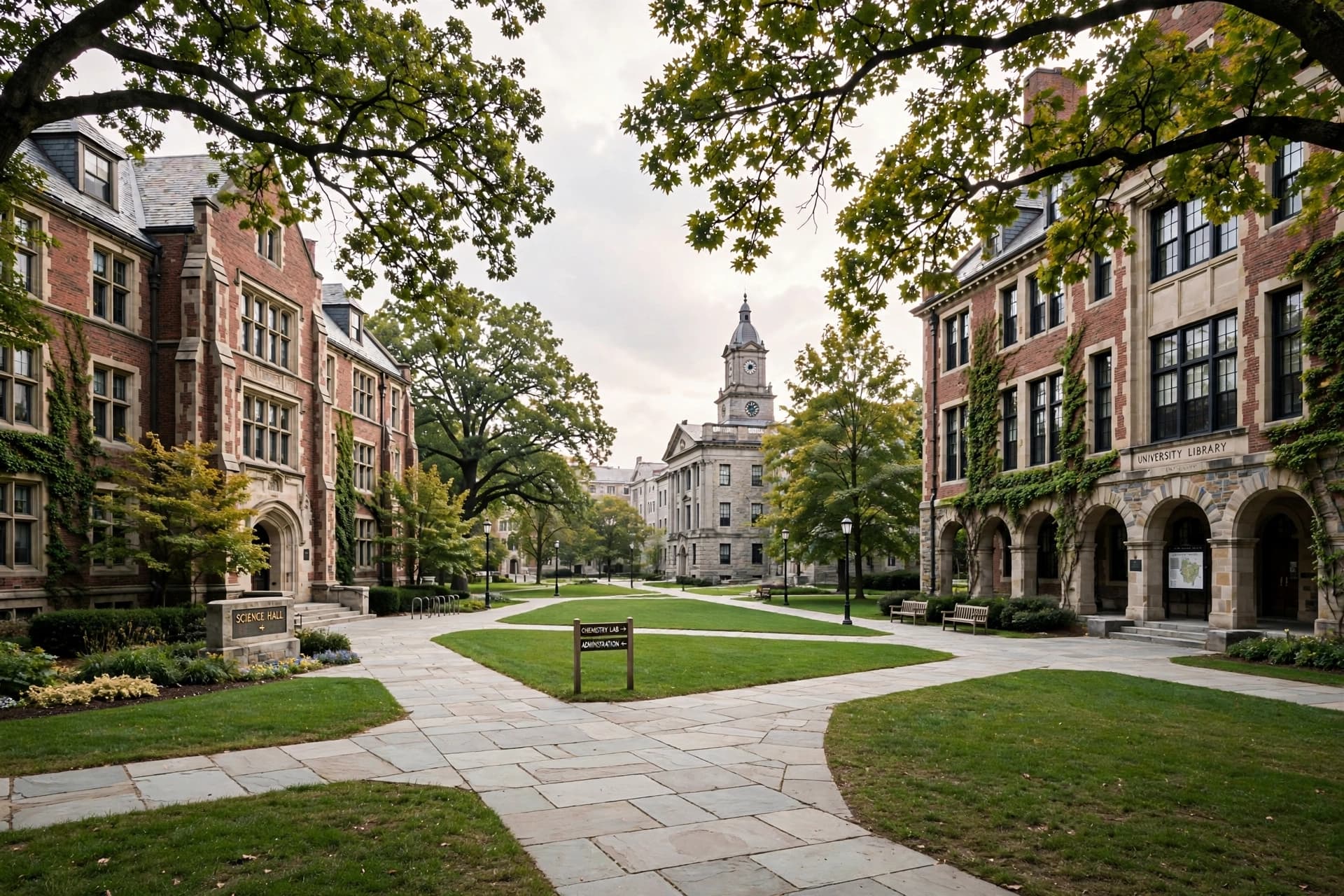
AI Image Disclaimer: The visual elements in this article are AI-generated illustrations depicting institutional buildings and abstract representations of healthcare transformation, designed to reflect the themes of repurposing and recovery without showing real individuals or specific interior details of the facility.
Sources: CBC News Manitoba, Global News Winnipeg, CTV News Winnipeg, Winnipeg Free Press
Published by Banx Network. This article is part of the Banx decentralized media programme, powered by the BXE token on the XRP Ledger.