There is a particular phrase that has entered the American vocabulary in recent years, spoken not in boardrooms or on campaign trails but in the quiet lines outside church basements and community centers: too much month at the end of the money. It is a sentence that describes a mathematics no one wants to learn—the arithmetic of subtracting groceries from a paycheck and finding the result is less than zero.
At food pantries across the United States, that arithmetic is now the defining reality for millions of families. An NBC News survey this month of 48 of the largest food banks, representing 35 states and Washington, D.C., found that nearly three-quarters reported increases in the number of people coming to their sites over the past year . The rise is driven by two converging forces: rising grocery bills, pushed higher by tariffs and war, and dwindling federal food benefits, cut by government budget reductions enacted in part by President Trump's tax-cut-and-spending law .
Chris Manno, 57, is both a volunteer and a client at the Lifeworks Project's River City Bread Basket in Waynesboro, Virginia. She has shopped at the pantry for two years, but this summer her federal food benefits were cut by about $300 a month. Her trips went from supplement to necessity . "People are hungry, and they are scared," she said. "I am here because my food budget kept getting tighter and tighter" . She shares an apartment with her 22-year-old disabled son and is on medical leave from her job at a nonprofit.
The numbers behind the survey tell a story of a system under strain. Food pantries were once understood as an emergency measure, a bridge for families navigating a temporary crisis. They have become, for many, a permanent part of the household budget—a subsidy that fills the gap between what wages cover and what groceries cost. The volunteers who stock the shelves are often the same people who shop them, a circularity that speaks to the thinness of the margin on which many Americans now live.
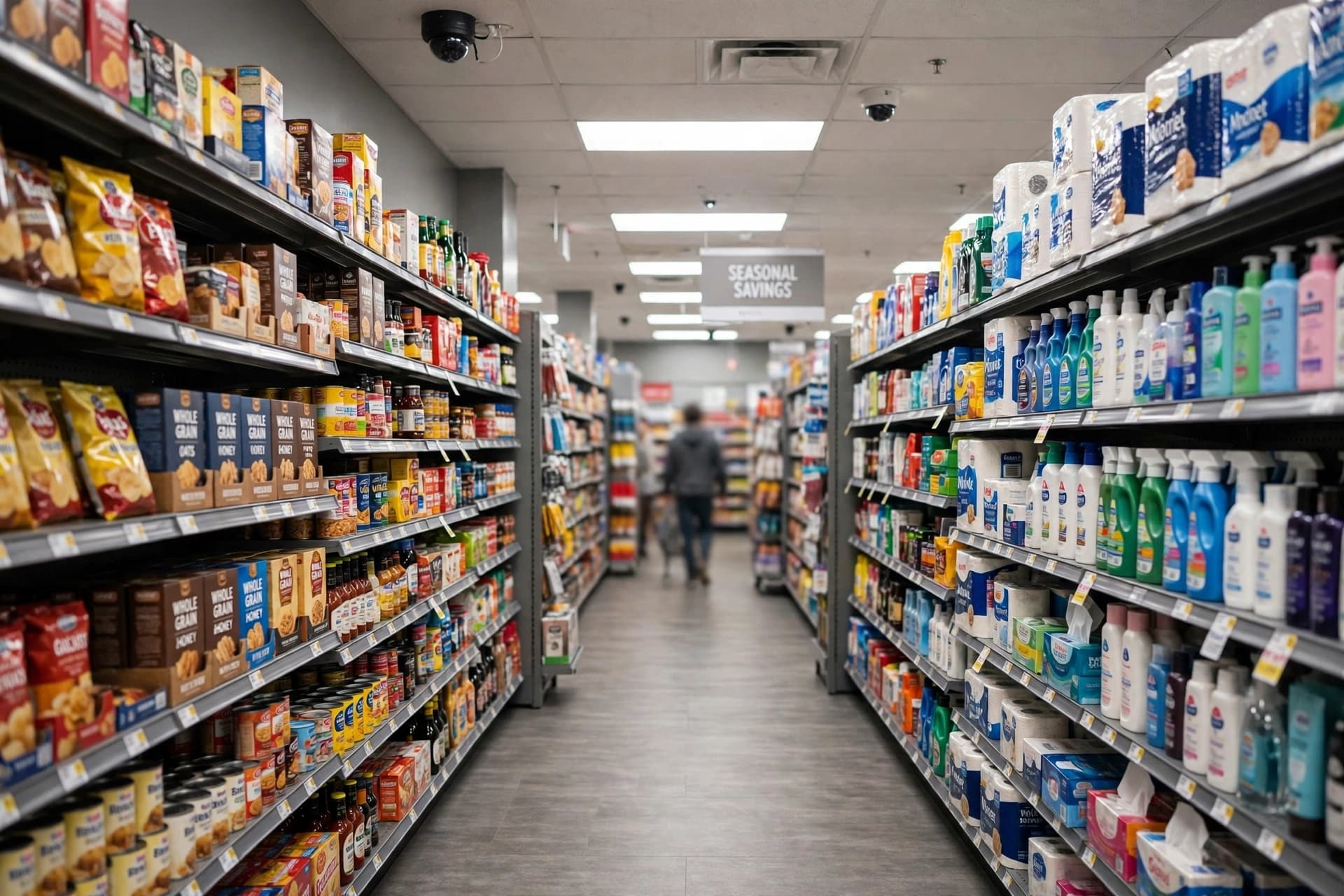
The political context is unavoidable. The survey's findings arrive as midterm elections approach, and the rise in pantry usage coincides with what could become a referendum on the President's economic stewardship . Food inflation is not an abstraction in a grocery aisle; it is a price tag that determines whether a family eats chicken or beans, whether a child has breakfast before school, whether a mother skips a meal so her son can have one. The policies that shape those outcomes are made in Washington, but they are felt in the line outside a pantry in Virginia.
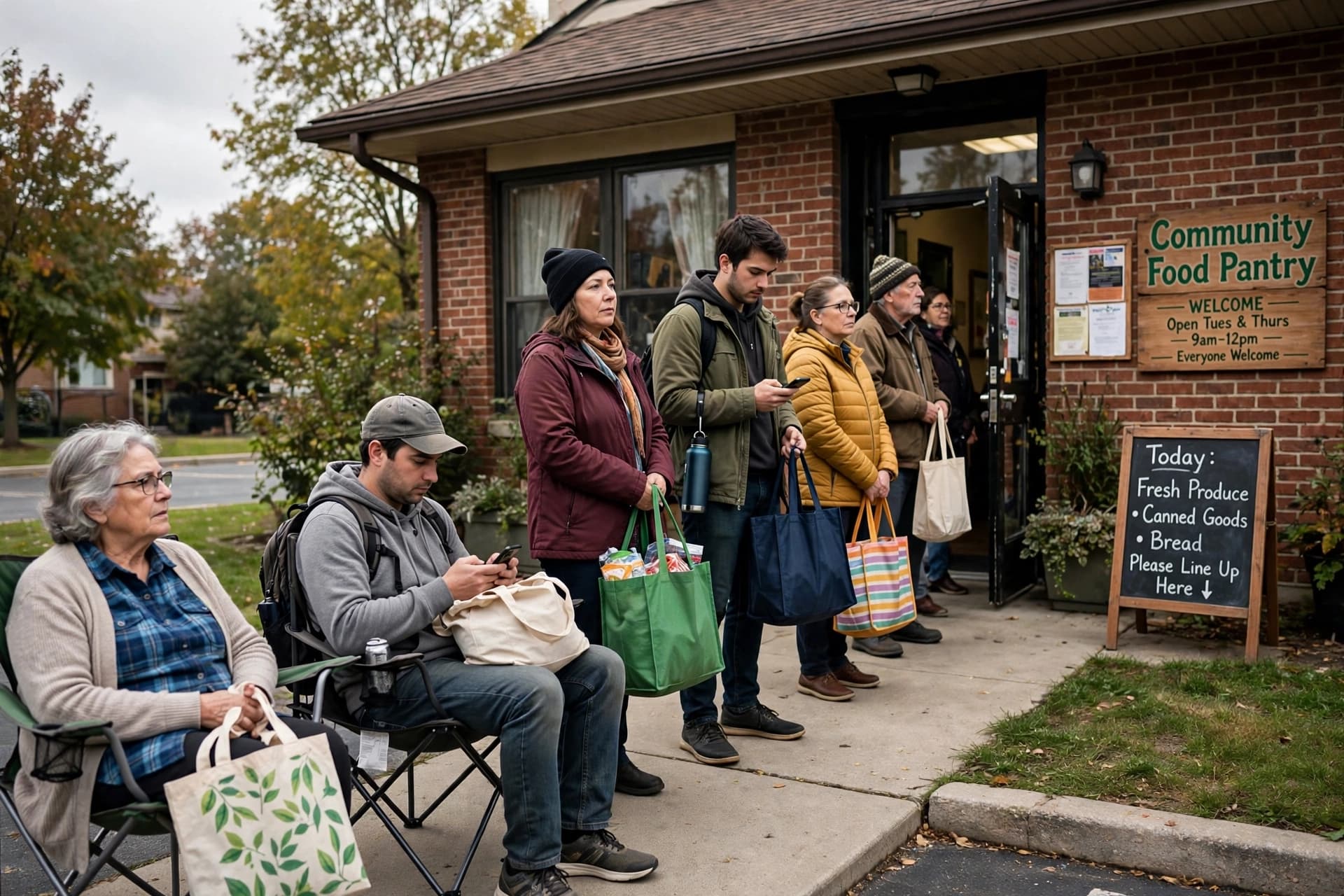
What the statistics do not capture is the texture of the waiting. The lawn chairs, the early arrivals, the quiet conversations between strangers who share a circumstance they never expected. Chris Manno sits in a white lawn chair until the doors open, then she volunteers, guiding others through the same process she navigates herself . It is a small act of dignity in a system that too often asks people to surrender theirs.
The food pantries will continue to serve, as they always have, staffed by volunteers and stocked by donations that rarely keep pace with need. The families will continue to come, as they always have, because the alternative is hunger. And the phrase—too much month at the end of the money—will continue to be spoken, in lines and in kitchens and in the quiet moments when the arithmetic is done again and the result is the same.
AI Image Disclaimer: This article includes AI-generated imagery created for illustrative purposes only.
Sources: The New York Times, NBC News
Published by Banx Network. This article is part of the Banx decentralized media programme, powered by the BXE token on the XRP Ledger.