
Key Highlights
- Rising Cases:Tonga is experiencing a significant increase in dengue fever cases, straining healthcare resources.
- Medical Shortages:Hospitals are facing critical shortages of essential medical supplies and testing kits.
- Community Response:Public health campaigns are underway to control mosquito populations and manage the outbreak.
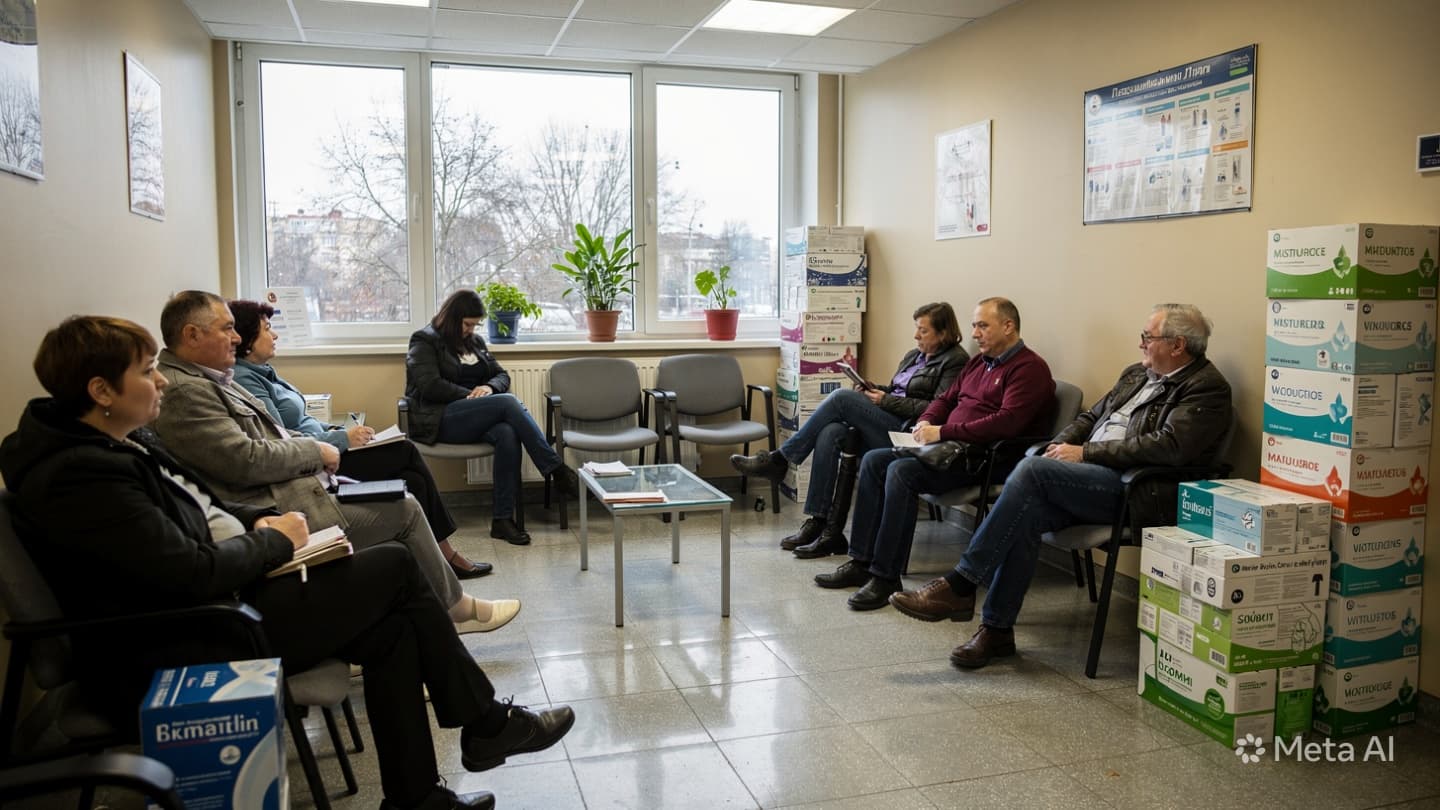
Nuku'alofa, Tonga—The kingdom is grappling with a severe public health crisis as a dengue fever outbreak continues to escalate across the island chain. Local health officials report that hospitals are overwhelmed with patients, struggling to cope with the rising number of infections amid critical shortages of essential medical supplies and testing kits.
In recent days, the situation has worsened, with frontline healthcare workers indicating that stockpiles of intravenous fluids and pain management medications are alarmingly low. Medical staff at major hospitals are finding it increasingly difficult to provide adequate care to patients exhibiting severe symptoms of the viral infection, which can lead to serious complications if left untreated.
The Ministry of Health has had to prioritize care for the most vulnerable patients as the number of infections continues to climb. Several community clinics have suspended non-essential services to redirect their limited resources toward managing the outbreak. Residents are being urged to seek medical help only if their symptoms become life-threatening, highlighting the strain on the healthcare system.
In response to the outbreak, public health campaigns are focusing on aggressive vector control measures aimed at reducing the mosquito population, which is responsible for transmitting the virus. Health teams are visiting households to eliminate stagnant water and apply insecticides in high-risk areas. However, officials warn that these efforts may not be sufficient without additional international assistance to bolster supply chains and provide necessary medical resources.
The surge in dengue cases has placed an immense burden on the already stretched healthcare workforce. Doctors and nurses are working extended shifts under high-pressure conditions, facing the constant risk of burnout. The shortage of protective equipment has further complicated the efforts of medical teams to maintain safe clinical environments, raising concerns about their safety and well-being.
Despite frequent communication from the government regarding the situation, there are ongoing concerns about the speed of medical supply replenishment. Many families are resorting to traditional home remedies as access to professional pharmaceutical interventions becomes increasingly restricted due to inventory shortages across the region.
International aid organizations are currently assessing the scale of the medical deficit to determine the feasibility of urgent shipments of supplies. However, the geographic isolation of the archipelago complicates the rapid distribution of life-saving equipment and medicine, making the situation even more precarious.
As weather conditions remain conducive to mosquito breeding, the outbreak shows few signs of slowing. Authorities are maintaining a state of high vigilance while the nation awaits emergency supply consignments. The healthcare system is under immense pressure as it attempts to manage the rising caseload, and the situation remains fluid as officials work to contain the outbreak and protect public health.
Published by Banx Network. This article is part of the Banx decentralized media programme, powered by the BXE token on the XRP Ledger.



