

Key Highlights
- Growing Demand:Electricity needs are rising due to technology and population growth.
- Infrastructure Modernization:Efforts are underway to upgrade transmission lines and power generation.
- Renewable Energy Investment:Wind, solar, and battery projects are crucial for future energy supply.
The future of the United States' power grid hinges on the decisions made today regarding energy infrastructure. As the nation grapples with increasing electricity demand driven by technological advancements, manufacturing growth, and population expansion, the urgency to modernize the energy supply system has never been more pronounced. Policymakers and industry leaders are engaged in discussions aimed at expanding electricity supplies while ensuring that the grid can handle future demands.
Recent policy debates have underscored the critical need for modernizing the nation’s energy infrastructure. Government agencies, alongside industry stakeholders, are actively working to accelerate projects that involve the construction of new transmission lines, enhancements to power generation capabilities, and upgrades to existing grid systems. A significant focus is placed on reducing the lengthy permitting processes that often delay construction, reflecting a broader objective to enhance energy security and improve the reliability of electricity networks across the country.
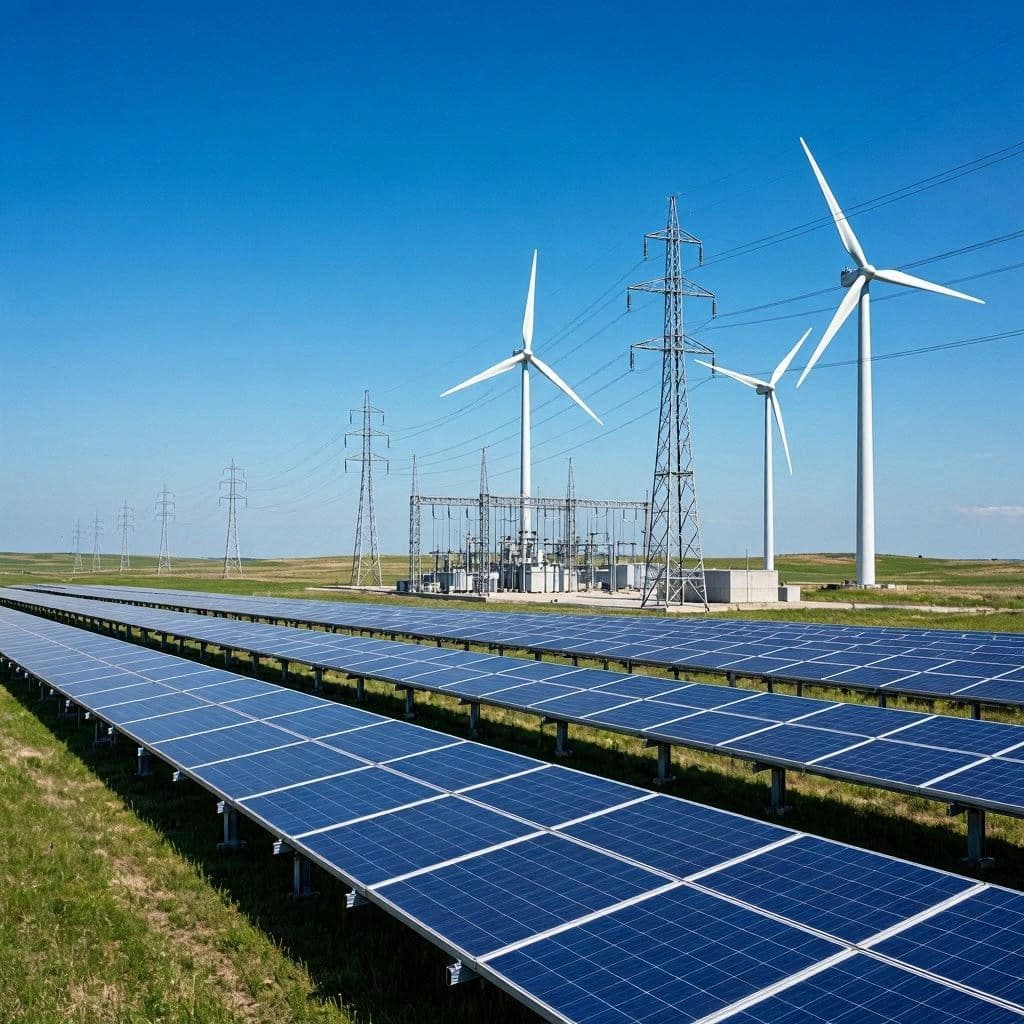
Renewable energy sources play a pivotal role in this modernization effort. Investments in wind farms, large-scale solar facilities, and battery storage projects are expected to constitute a substantial share of future energy investments. However, developers have expressed concerns regarding the extended permitting reviews and regulatory uncertainties that many projects face, which complicate long-term planning and financing. Addressing these challenges is essential for ensuring that renewable energy can contribute effectively to the grid.
As electricity demand continues to rise, particularly due to the proliferation of artificial intelligence data centers, advanced manufacturing facilities, and various electrification initiatives, the need for expanded generating capacity becomes increasingly urgent. Grid operators and policymakers have emphasized that enhancing transmission infrastructure is vital for delivering electricity efficiently from generation sites to consumers. This infrastructure expansion is not merely about increasing capacity; it is also about ensuring that the grid can adapt to changing demands and conditions.
Proponents of faster infrastructure approvals argue that timely investments are crucial for keeping pace with economic growth. They advocate for more efficient planning procedures that could lower project costs and facilitate the advancement of both renewable and conventional energy projects. Nevertheless, environmental reviews and community consultations remain integral components of the development process, ensuring that projects align with local needs and environmental standards.
Industry analysts highlight that building new energy infrastructure encompasses more than just constructing power plants. The development of transmission networks, substations, energy storage systems, and digital grid technologies is essential for enhancing system resilience, particularly during extreme weather events or periods of high electricity demand. Investments in these areas are expected to significantly influence the pace of the country’s energy transition.
Energy experts stress that achieving a balance between affordability, reliability, and environmental sustainability requires coordinated planning among federal agencies, state governments, utilities, private investors, and local communities. While strategies may vary, there is a consensus that modern infrastructure will be central to meeting future electricity needs without compromising grid stability.
As infrastructure projects progress through planning and regulatory reviews, the speed of implementation will serve as a key indicator of how swiftly the United States can fortify its energy system. Whether through the development of renewable generation, the upgrading of transmission lines, or the expansion of grid capacity, the overarching goal remains to provide reliable electricity that supports economic development and long-term resilience.
AI Image Disclaimer: The illustrations accompanying this article are AI-generated artistic representations intended to visualize the subject and are not photographs of actual events.
Published by Banx Network. This article is part of the Banx decentralized media programme, powered by the BXE token on the XRP Ledger.




