
Key Highlights
- Japan and the Philippines are starting talks on an intelligence-sharing pact.
- The agreement aims to enhance security cooperation amid regional tensions.
- Discussions include potential military equipment transfers to the Philippines.
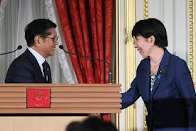
Japanese Prime Minister Sanae Takaichi and Philippine President Ferdinand Marcos Jr. recently announced the commencement of talks for an intelligence-sharing agreement, known as GSOMIA, aimed at bolstering security cooperation between the two nations. This initiative is particularly significant given the increasing concerns regarding China's assertive actions in both the East and South China Seas.
During a joint press conference held in Tokyo, both leaders underscored the importance of these discussions, which not only focus on GSOMIA but also on maritime border delimitation. President Marcos emphasized, “These are very important steps to further strengthen our defense cooperation and to uphold a rules-based maritime order.” The proposed pact is expected to establish protocols for the secure sharing and protection of sensitive military information, a crucial aspect of modern defense strategies.
In addition to the intelligence-sharing agreement, the agenda includes discussions about the potential transfer of Abukuma-class destroyer escort vessels and other defense equipment from Japan to the Philippines. This transfer could mark Japan’s first export of lethal military equipment under its revised defense export principles, significantly enhancing the capabilities of the Philippine Navy, which currently faces challenges in matching China's naval strength.
As both nations navigate a changing strategic landscape, they are committed to deepening military cooperation. Prime Minister Takaichi highlighted the necessity of collaboration to effectively address regional security threats. The GSOMIA is similar to agreements Japan has with allies such as the U.S., Australia, and South Korea, reflecting a broader trend among nations to share intelligence and strengthen defenses against common adversaries.
This development follows the recent enactment of the Reciprocal Access Agreement, which permits the armed forces of both countries to conduct joint exercises and respond to disasters collaboratively. Earlier this year, a separate agreement regarding the acquisition and cross-servicing of military supplies was signed, laying the groundwork for enhanced operational cooperation.
Geopolitical analysts suggest that the initiation of GSOMIA talks highlights a mutual recognition of the need for increased cooperation amid uncertainties surrounding U.S. commitments to regional security. However, both Japan and the Philippines aim to build resilience in their defense capabilities without entirely replacing U.S. support.
As the geopolitical landscape continues to evolve, the strengthening ties between Tokyo and Manila may contribute to regional stability, ensuring that maritime interests are safeguarded under internationally recognized norms rather than being dictated by force. This partnership is likely to be closely observed by China, which may view it as an attempt to counter its influence in the region.
Published by Banx Network. This article is part of the Banx decentralized media programme, powered by the BXE token on the XRP Ledger.



