Key Highlights
- Market Value:The tokenized real-world asset sector has surpassed $25 billion.
- Institutional Interest:Major financial firms are launching tokenization initiatives.
- Regulatory Framework:Policymakers are working on regulations to support growth.
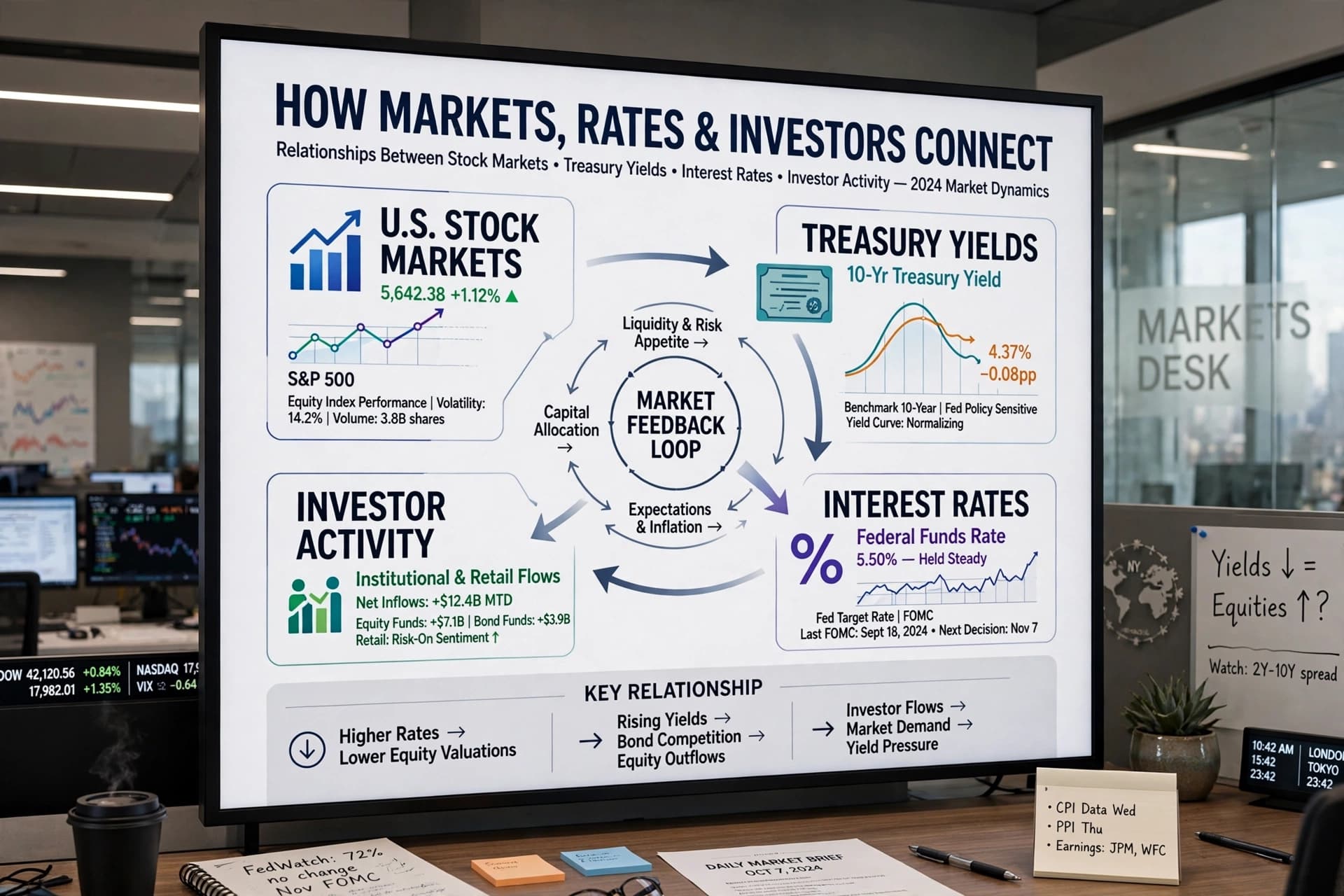
The tokenized real-world asset sector continues to expand rapidly, with its market value now exceeding $25 billion as financial institutions increasingly explore blockchain-based representations of traditional assets. This growth reflects a broader recognition of tokenization as a transformative opportunity for modernizing financial markets, enhancing the efficiency of asset ownership, trading, and settlement processes.
Tokenization involves converting ownership rights to real-world assets into digital tokens recorded on a blockchain. These assets can encompass a wide range of financial instruments, including government bonds, private credit, real estate, commodities, equities, and investment funds. By placing these assets on-chain, issuers aim to reduce operational friction, enabling faster transfers and greater accessibility for investors.
Institutional interest in tokenization has accelerated significantly, as major financial firms, including asset managers and banks, launch initiatives to develop the necessary infrastructure for regulated tokenized products. This shift is driven by the belief that blockchain technology can reduce settlement times, enhance transparency, and lower costs associated with traditional financial processes. As a result, many organizations are investing in technology that supports the issuance and trading of tokenized assets.
Advocates for tokenization argue that it could unlock new sources of liquidity by allowing assets to be divided into smaller units, making them more accessible for trading. This fractionalization could democratize investment opportunities that were previously limited to large institutions or wealthy individuals, thereby expanding the investor base and fostering a more inclusive financial ecosystem. Consequently, tokenization is increasingly being discussed as a potential catalyst for the transformation of capital markets.
However, regulatory clarity remains a critical factor for the future growth of the tokenized asset sector. Policymakers in various jurisdictions are actively working to establish frameworks governing the issuance, custody, trading, and compliance requirements for tokenized assets. Industry leaders generally believe that clearer regulations will encourage broader institutional participation and accelerate the adoption of tokenization across financial markets.
The continued growth of the tokenized real-world asset sector reflects an increasing confidence that blockchain technology can support real-world financial activity at scale. As the infrastructure matures and participation expands, tokenized assets are expected to play an increasingly important role in the evolution of global financial markets, paving the way for a more efficient and accessible investment landscape.
Published by Banx Network. This article is part of the Banx decentralized media programme, powered by the BXE token on the XRP Ledger.