
Key Highlights
- Case Background:A woman seeks a retrial after being convicted in 1964 for defending herself against an attacker.
- Legal Argument:Her legal team argues her actions were justified self-defense under extreme duress.
- Societal Impact:The case reflects changing societal views on women's rights and self-defense.
In a poignant legal battle that echoes through the decades, an octogenarian woman is seeking a retrial for a conviction that has haunted her since 1964. On that fateful evening, she found herself in a life-threatening situation, and her instinctive response—a bite to her attacker—led to her being labeled a criminal rather than a survivor. This case is not just about the past; it represents a significant moment in the ongoing struggle for justice and recognition of women's rights in the legal system.
The mid-twentieth century was a time when the legal framework often failed to protect women, viewing their self-defense as a challenge to societal norms. The woman’s conviction for assault was a stark reminder of how the law could silence victims and prioritize the status quo over justice. Her story is emblematic of many women who have faced similar injustices, where the act of defending oneself was criminalized instead of understood as a necessary response to violence.
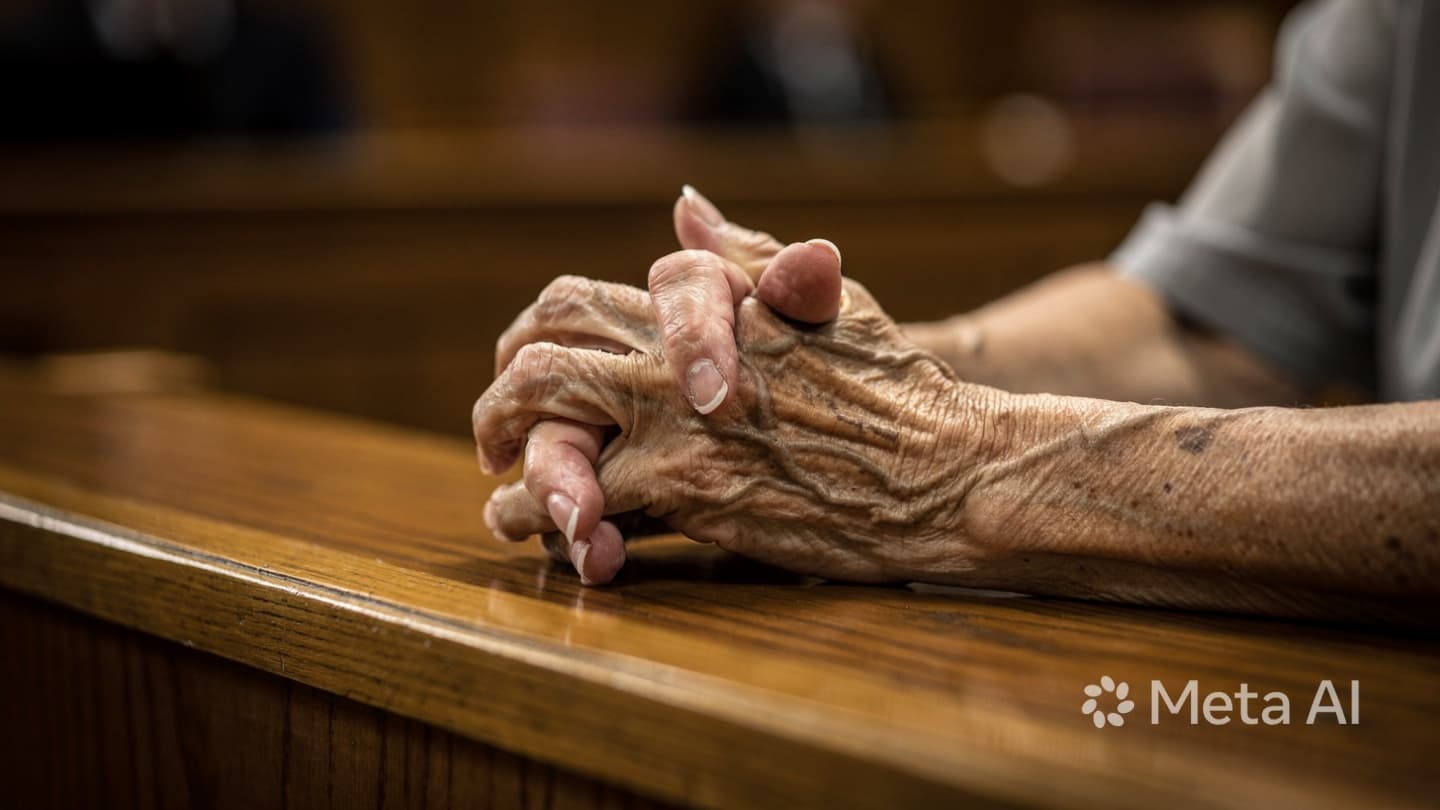
Now, with silver hair that reflects her years of resilience, she stands before the judiciary once more, demanding a reevaluation of her case. The request for a retrial is not merely a legal maneuver; it is a quest for dignity and acknowledgment of the trauma she endured. The passage of time has not dulled her resolve; instead, it has intensified her fight for recognition and justice.
The legal system, often slow to adapt, is now confronted with the challenge of reassessing its past decisions. The woman’s petition for a retrial is a bold statement against the historical injustices faced by victims of violence. It calls into question the very foundations of legal precedents that have long overlooked the complexities of self-defense, particularly for women.
As her case progresses, it resonates with many who have suffered in silence, highlighting the need for a legal system that evolves alongside societal understanding of trauma and self-defense. The courtroom becomes a stage for not just her story, but for countless others who have been denied justice due to outdated perceptions of gender and violence.
The legal proceedings are marked by a rhythm of filings and hearings, each step a reclamation of her narrative. The case is not just about her; it symbolizes a broader movement towards recognizing the rights of individuals against the backdrop of state authority. The outcome will likely influence how future cases involving self-defense are handled, particularly those involving women.
As the legal community and society at large watch closely, the woman’s pursuit of justice serves as a reminder that the fight for recognition and rights is ongoing. Regardless of the final ruling, her courage to challenge the past is already paving the way for future generations to speak out and seek justice.
Legal representatives for the petitioner have formally filed the request for a retrial, arguing that her actions were justified self-defense under extreme duress. The Busan High Court is currently reviewing the case, with implications that could resonate far beyond the courtroom walls.
Published by Banx Network. This article is part of the Banx decentralized media programme, powered by the BXE token on the XRP Ledger.



