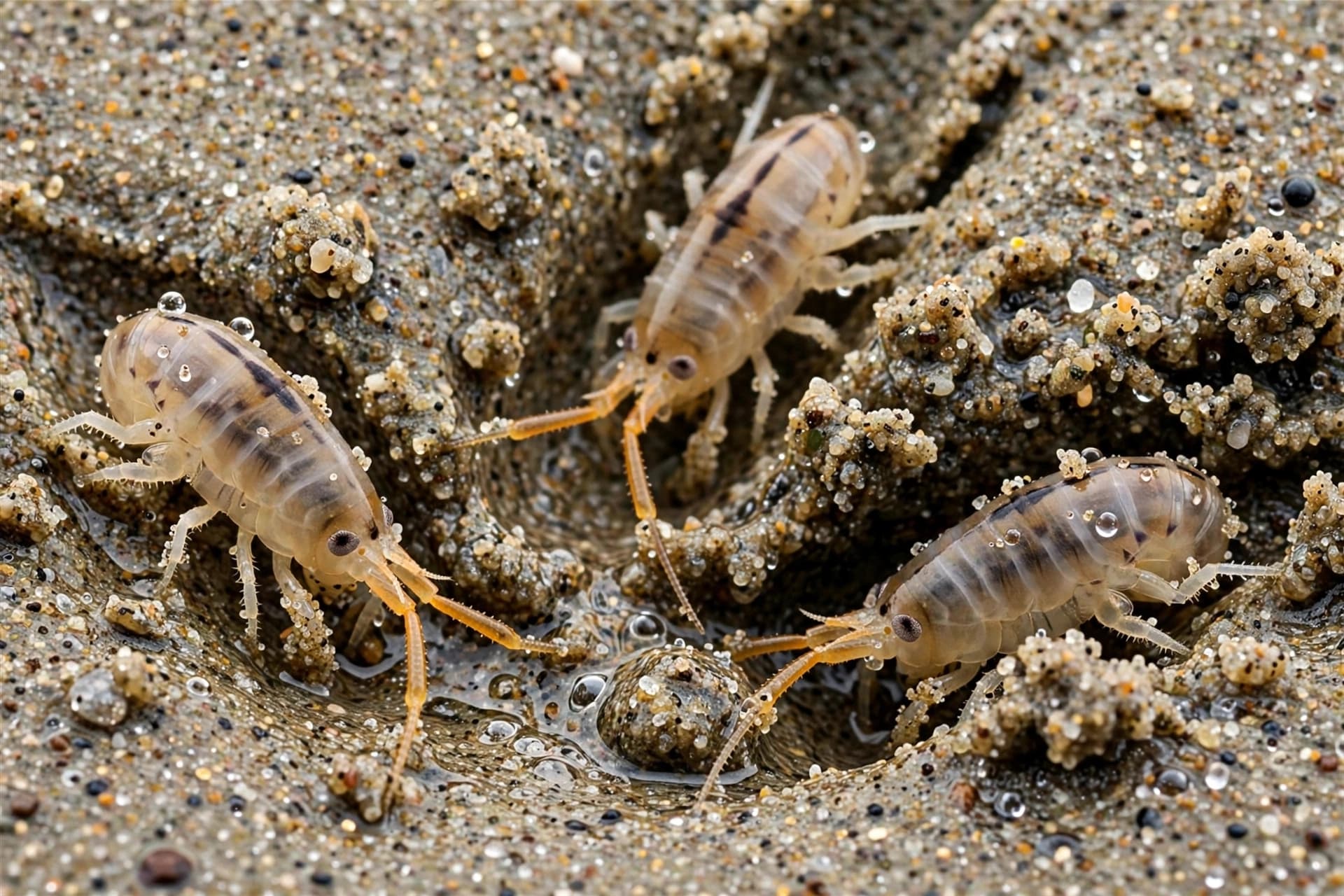
Beneath the feet of beachgoers, hidden from view in the damp sand, a tireless workforce is reshaping the coastline. Tiny crustaceans, no larger than a fingernail, are engaged in a monumental task of moving sediment. Recent research reveals that these small creatures, including sand hoppers and mole crabs, collectively shovel more sand than any other animal on the planet. Their incessant burrowing aerates the soil, recycles nutrients, and plays a crucial role in maintaining the health of coastal ecosystems.
The study, focused on the beaches of California, estimated that these inch-long organisms move hundreds of tons of sand annually. While individually their impact is negligible, their sheer numbers create a significant geological force. Each time a hopper digs a burrow to escape predators or extreme temperatures, it displaces sediment, effectively churning the beach. This process, known as bioturbation, prevents the sand from becoming compacted and allows water to drain properly, which is vital for the survival of other marine life.
For ecologists, this discovery highlights the often-overlooked importance of small invertebrates. These "beach beasties" are ecosystem engineers, creating habitats for microbes and plants while stabilizing the shore against erosion. Without their constant activity, beaches would be static, sterile environments, less resilient to the forces of waves and wind. Their labor is fundamental to the dynamic balance of the intertidal zone.
The findings also underscore the vulnerability of these ecosystems. Coastal development, pollution, and climate change threaten the habitats of these tiny workers. Rising sea levels and increased storm intensity can disrupt their burrowing cycles, potentially reducing their population and impact. Protecting these creatures is not just about saving small animals; it is about preserving the structural integrity of the beaches themselves.
Understanding the scale of their contribution changes how we view beach management. Rather than seeing sand as inert material, it is recognized as a living medium shaped by biological activity. This perspective encourages more holistic approaches to conservation, where the needs of small organisms are considered alongside human recreation and infrastructure. It reminds us that nature’s smallest actors often play the biggest roles.
For the public, the findings offer a new appreciation for the complexity of beach life. Next time you walk along the shore, remember that beneath the surface, a bustling community is hard at work. These creatures, though small, are giants in their ecological role. Their silent labor sustains the very ground we stand on, keeping the beach alive and vibrant.
Researchers plan to expand their study to other coastal regions to determine if similar patterns exist globally. If sand hoppers elsewhere perform comparable feats, their global impact could be staggering. This line of inquiry opens new avenues for understanding the interconnectedness of marine and terrestrial systems, highlighting the universal importance of biodiversity.
In the end, the story of the beach-burrowing beasties is a testament to the power of the small. They remind us that even the tiniest actions, when multiplied by millions, can shape the world. By protecting them, we protect the integrity and beauty of our coastlines, ensuring that beaches remain dynamic and healthy for generations to come.
AI Image Disclaimer: The images accompanying this article are AI-generated artistic interpretations of beach ecosystems and small crustaceans, not actual photographs of the specific study sites or specimens.
Sources: Phys.org University of California Marine Ecology Progress Series
Published by Banx Network. This article is part of the Banx decentralized media programme, powered by the BXE token on the XRP Ledger.