Space exploration is often associated with rockets, astronauts, and distant planets, yet some of the most important scientific questions begin with the smallest forms of life. In Canada, a recent experiment involving microscopic worms sent into space has drawn renewed attention from researchers seeking to understand how living organisms respond to conditions far beyond Earth’s atmosphere.
The project centers on tiny nematode worms, organisms frequently used in biological research because of their simple structure and genetic similarities to more complex life forms. Scientists believe these creatures can provide valuable insight into how muscles, cells, and nervous systems react under prolonged exposure to microgravity.
Researchers involved in the experiment explained that space environments place unusual stress on biological systems. Reduced gravity can weaken muscles, alter cellular behavior, and affect the body’s natural repair mechanisms. By studying organisms with short life cycles, scientists are able to observe biological changes more quickly than in larger animals or humans.
Canadian universities and international research agencies collaborated on the project as part of broader scientific efforts linked to long-duration space travel. With growing interest in lunar missions and future journeys toward Mars, understanding how living systems adapt in space has become increasingly important for mission planning and astronaut health.
The worms were transported under carefully controlled conditions aboard a research mission connected to the International Space Station. During the experiment, scientists monitored movement patterns, genetic responses, and developmental changes. Samples are expected to provide extensive biological data once fully analyzed in laboratories on Earth.
Space biology has quietly become one of the fastest-growing scientific fields. Researchers now study everything from plant growth and microbial behavior to the effects of radiation exposure on human tissue. Small-scale experiments, such as the Canadian worm project, often contribute foundational knowledge that supports larger medical and engineering objectives.
Public interest in the mission has also reflected a broader fascination with the intersection of biology and space exploration. Educational institutions across Canada have used the experiment to engage students in genetics, astronomy, and life sciences, helping connect complex scientific research with everyday curiosity.
Despite the modest size of the organisms involved, researchers say the implications could eventually extend to human health. Findings from space biology experiments may improve understanding of aging, muscle degeneration, and cellular stress responses not only for astronauts, but also for patients on Earth experiencing similar medical conditions.
As the tiny travelers continue contributing data from beyond Earth, the experiment serves as another reminder that scientific discovery does not always arrive in dramatic form. Sometimes, answers about humanity’s future in space begin with the quiet movement of microscopic life drifting through orbit.
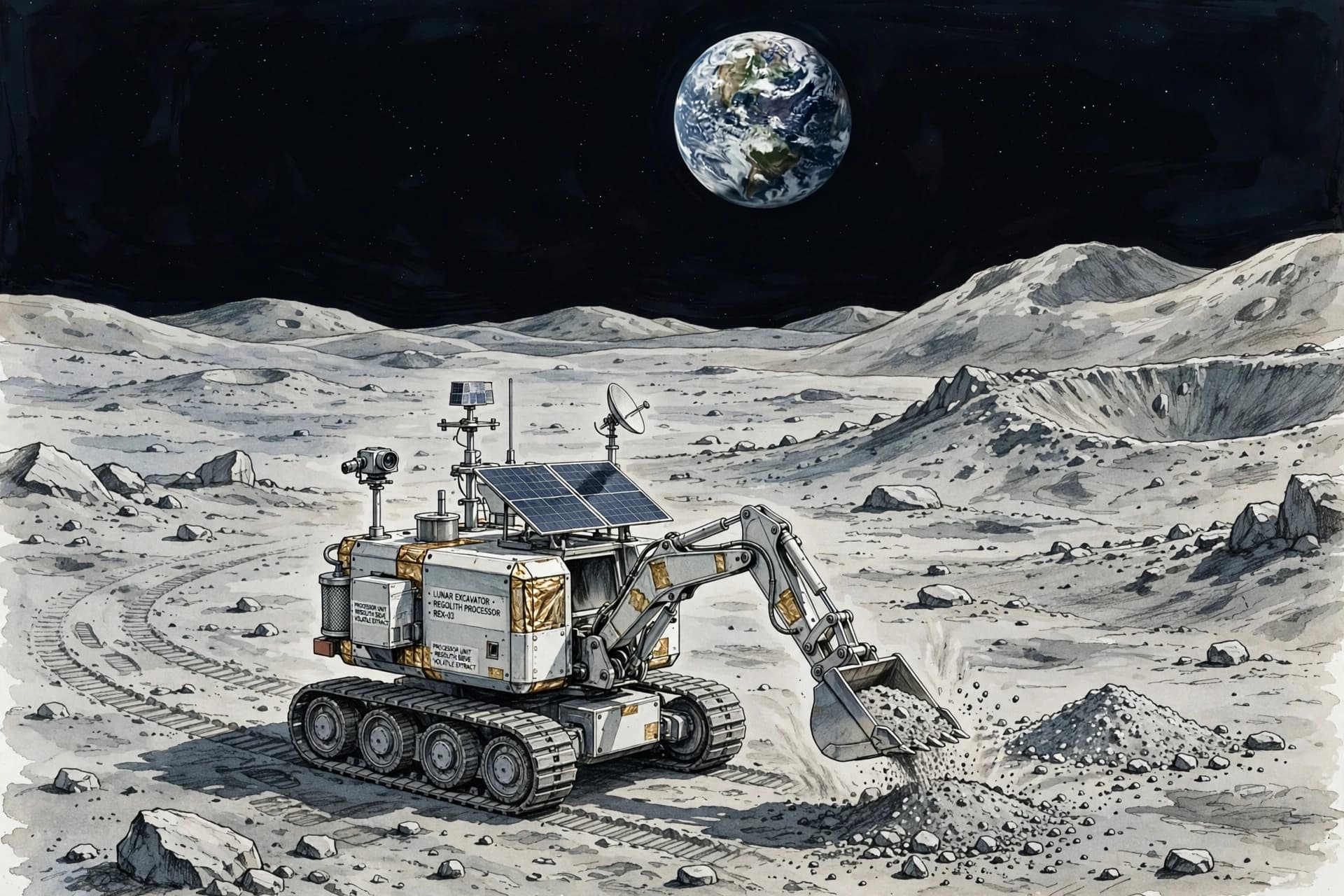
AI Image Disclaimer: Some scientific visuals used in this article were generated with AI assistance for educational and editorial illustration.
Sources: Global News Canada, Canadian Space Agency, Reuters
Published by Banx Network. This article is part of the Banx decentralized media programme, powered by the BXE token on the XRP Ledger.