The rhythm of nature often depends on creatures so small they escape daily notice. Honeybees drift from flower to flower with remarkable consistency, carrying the quiet responsibility of pollinating crops and wild plants alike. As climate patterns become increasingly unpredictable, researchers continue searching for practical ways to help these essential pollinators endure changing environmental conditions.
A newly published study suggests that a diet enriched with probiotics and prebiotics may improve honeybees' ability to withstand temperature-related stress. Scientists evaluated whether nutritional supplements that support healthy gut microbes could strengthen bees exposed to both cold and hot conditions. The findings indicate measurable benefits, particularly when temperatures fall well below the insects' preferred range.
Researchers raised newly emerged worker honeybees and fed them sugar syrup supplemented with a commercial probiotic together with inulin, a plant-derived prebiotic fiber. After three weeks, the bees were exposed to four different temperature environments ranging from cold to extreme heat. Survival rates and antioxidant enzyme activity were then carefully measured.
The results showed that bees receiving the highest supplement doses survived significantly longer under cold stress than bees that received no supplements. Scientists also observed lower levels of oxidative stress, suggesting that the dietary combination helped stabilize normal physiological functions during challenging environmental conditions.
The benefits, however, had clear limits. Under extreme heat of approximately 40 degrees Celsius (104°F), supplemented bees still experienced high mortality despite modest improvements in survival time. Researchers emphasized that nutritional support cannot fully counteract severe heat stress, which directly damages cells and proteins.
Honeybee health has become an increasing concern because pollinators contribute substantially to global agriculture and food production. Climate change, habitat loss, pesticide exposure, parasites, and disease all place pressure on bee populations. Scientists believe that strengthening the gut microbiome may become one practical tool among several strategies to improve colony resilience.
The authors caution that the experiment was conducted using individual bees under controlled laboratory conditions rather than entire colonies in natural environments. Additional field studies are needed to determine whether similar benefits can be consistently achieved in commercial and wild hives before broad recommendations are made.
The study adds another piece to the growing understanding of how nutrition influences pollinator health. While probiotics alone cannot solve every challenge facing honeybees, the findings suggest that supporting their internal microbiome may become part of broader efforts to help colonies adapt as environmental conditions continue to evolve.
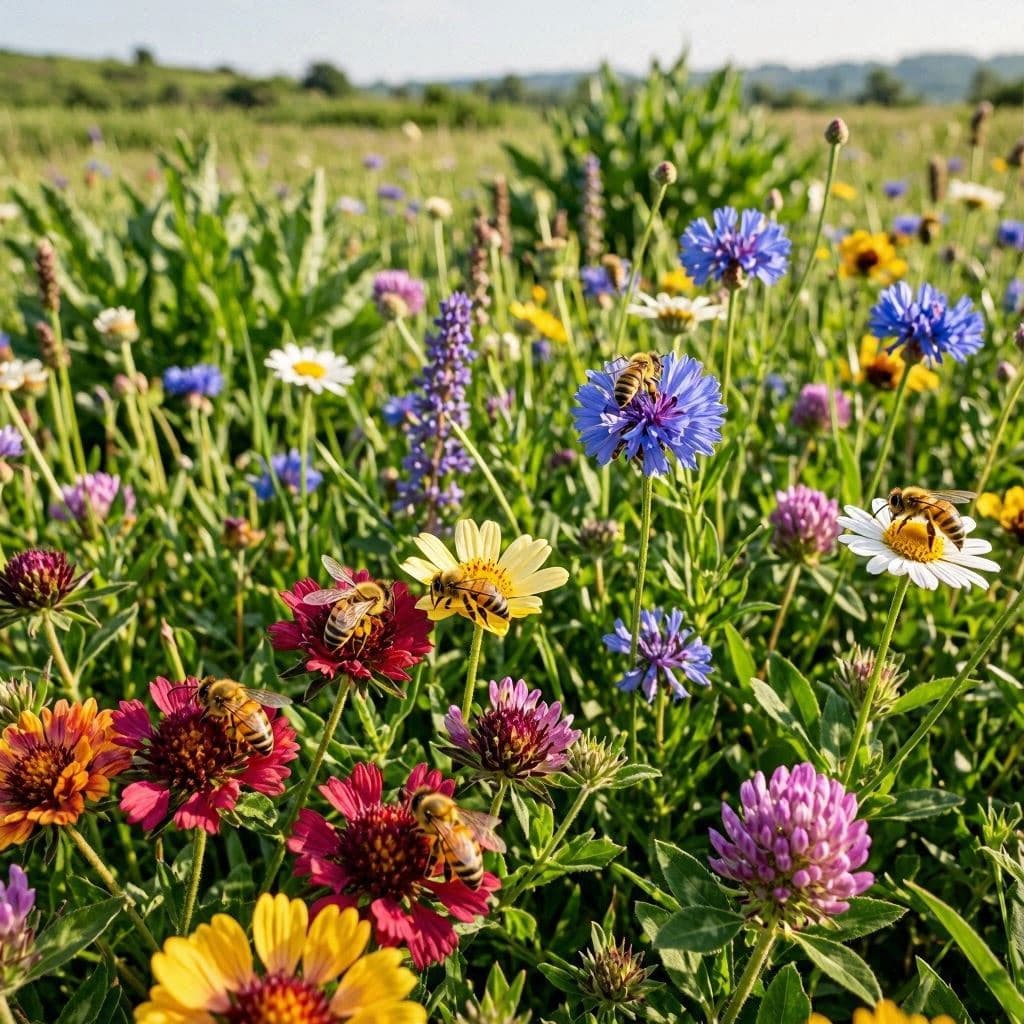
AI Image Disclaimer: The accompanying visuals are AI-generated illustrations intended to represent the research topic and are not photographs from the study.
Sources: PLOS One, EurekAlert, Earth.com, PubMed
Published by Banx Network. This article is part of the Banx decentralized media programme, powered by the BXE token on the XRP Ledger.