
Key Highlights
- Annual commemorations reflect ongoing grief for Marry Me victims.
- The case has left a lasting impact on the community.
- Families gather to share memories and honor those lost.
[The Enduring Impact of the Marry Me Murders]
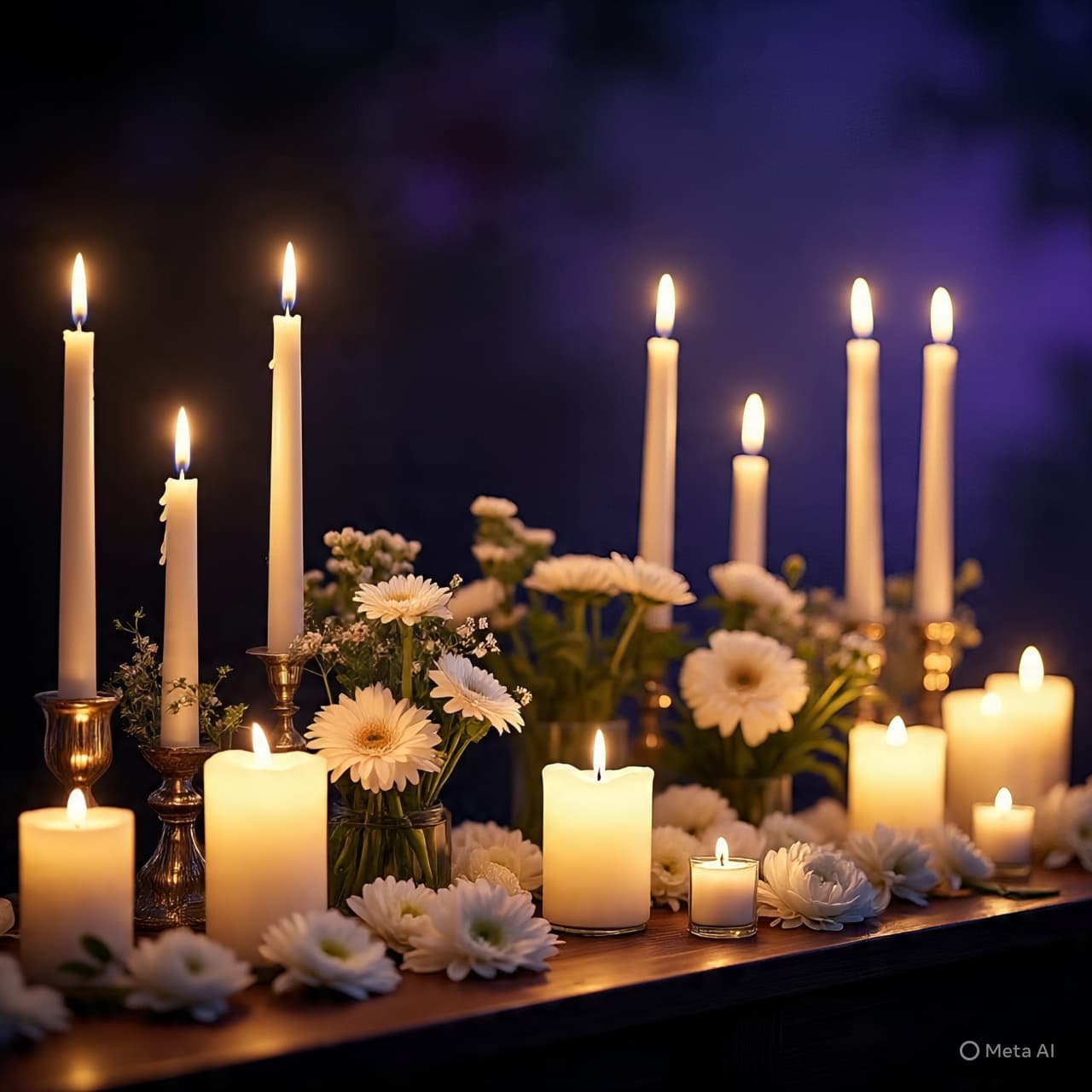
There are moments that do not settle easily into the past. They remain close, not in the way of constant noise, but in a quieter persistence—returning in small ways, in remembered voices, in places that hold more than their visible form. For those who gather each year to remember the victims of the Marry Me murders, time does not move in a straight line. It folds back on itself, bringing the present into close conversation with what was lost. The words often spoken—it feels like yesterday—are less a figure of speech than a reflection of how grief resists distance.
The Marry Me case, which once drew national attention in South Africa, left a lasting imprint on a community that continues to carry its memory. Lives interrupted in a single moment have extended into years of remembrance, where absence is marked not only by what is no longer there, but by the ways in which it is still felt. Commemorations have become a space where memory is shared and sustained. Families, friends, and community members come together not to revisit the details alone, but to hold onto the presence of those who are no longer physically there. In such gatherings, the past is not distant—it is near, shaped by stories told again, by names spoken carefully, by the quiet acknowledgment of what cannot be undone.
The phrase “it’s like they died yesterday” carries within it both pain and continuity. It suggests that while time has passed, the emotional landscape remains largely unchanged. The routines of life may continue, but certain moments remain fixed, untouched by the usual passage of days and years. In the years since the incident, the legal processes have long concluded, but the human experience of loss has followed a different timeline. It is not bound by verdicts or dates, but by memory and the ways in which individuals and communities make sense of what happened.
South Africa has seen many such moments, where tragedy leaves a mark that extends beyond the immediate. Each case becomes part of a broader understanding of how communities respond, remember, and continue. The Marry Me case, in this sense, stands as one of many threads in a larger fabric of remembrance. Yet within this broader context, each life lost remains singular. The act of remembering is not only collective, but deeply personal—carried in ways that are often quiet and unseen.
The victims of the Marry Me murders continue to be remembered by their families and communities. Commemorative gatherings have reaffirmed the lasting impact of the incident, with loved ones expressing that the loss still feels immediate despite the passage of time. These annual events serve not only as a reminder of the tragedy but also as a testament to the resilience of those left behind, who strive to keep the memories alive in their hearts and minds.
Published by Banx Network. This article is part of the Banx decentralized media programme, powered by the BXE token on the XRP Ledger.



