There are moments in life when unseen currents shape far more than the surface we walk upon. Pregnancy, often imagined as a calm sea of expectation and nurturing, at times holds undercurrents of risk that ripple quietly, revealing themselves only when we pay careful attention. For many, high blood pressure in pregnancy is such an undercurrent — subtle yet significant, familiar yet different across communities whose stories are woven with diverse cultural and biological threads.
Recent health data suggest that the risk of pregnancy-associated high blood pressure is not uniform across Asian groups. In an extensive analysis of health records, researchers traced patterns among hundreds of thousands of pregnant individuals and found that these risks shifted like light through prisms — refracted into different hues among subgroups such as Chinese, Filipino, Japanese, Korean, Vietnamese and Pacific Islander descent. Some of these groups had notably higher chances of developing hypertensive disorders related to pregnancy, while others showed relatively lower rates in comparison.
The pulse of this research lies not merely in statistics but in what it reveals about the varied experiences and environments that shape health. Filipino and Pacific Islander individuals, for instance, showed two-to-three times greater likelihood of pregnancy-related hypertension compared to Chinese individuals, after accounting for a range of demographic factors. At the same time, groups including Japanese, Korean and Vietnamese had comparatively lower frequencies of such conditions.
Viewed through broader lenses, these findings echo prior research showing that maternal hypertension varies across race and ethnicity. Some studies have noted that certain groups — including Black, Native Hawaiian, Pacific Islander and Hispanic women — can have higher overall rates of maternal high blood pressure compared to others. Yet within the label “Asian,” a rich diversity exists, reminding clinicians and communities alike that health patterns cannot be taken as monoliths.
Understanding these nuances isn’t merely academic. High blood pressure during pregnancy — whether it arises as chronic hypertension, gestational hypertension, preeclampsia or even eclampsia — can have profound implications for both mother and child. It can elevate risks for complications such as placental issues, kidney stress, early delivery, or cardiovascular strain later in life. A broader comprehension of which groups experience higher or lower risk can help healthcare providers offer more personalized care, and encourage expectant parents to engage in targeted prevention and monitoring.
As with many rich stories hidden in statistics, this research doesn’t point to a single cause but rather invites deeper inquiry. Social determinants of health — such as access to care, community support, nutrition, stress, and environment — are likely intertwined with these observed differences. What remains constant, however, is the opportunity to listen with curiosity and care, and to use knowledge not to divide, but to gently safeguard the wellbeing of parents and babies across every community.
In the gentle unfolding of science and storytelling, it becomes clear that no two pregnancies are exactly alike, and understanding the rhythm of each brings us closer to healthier beginnings.
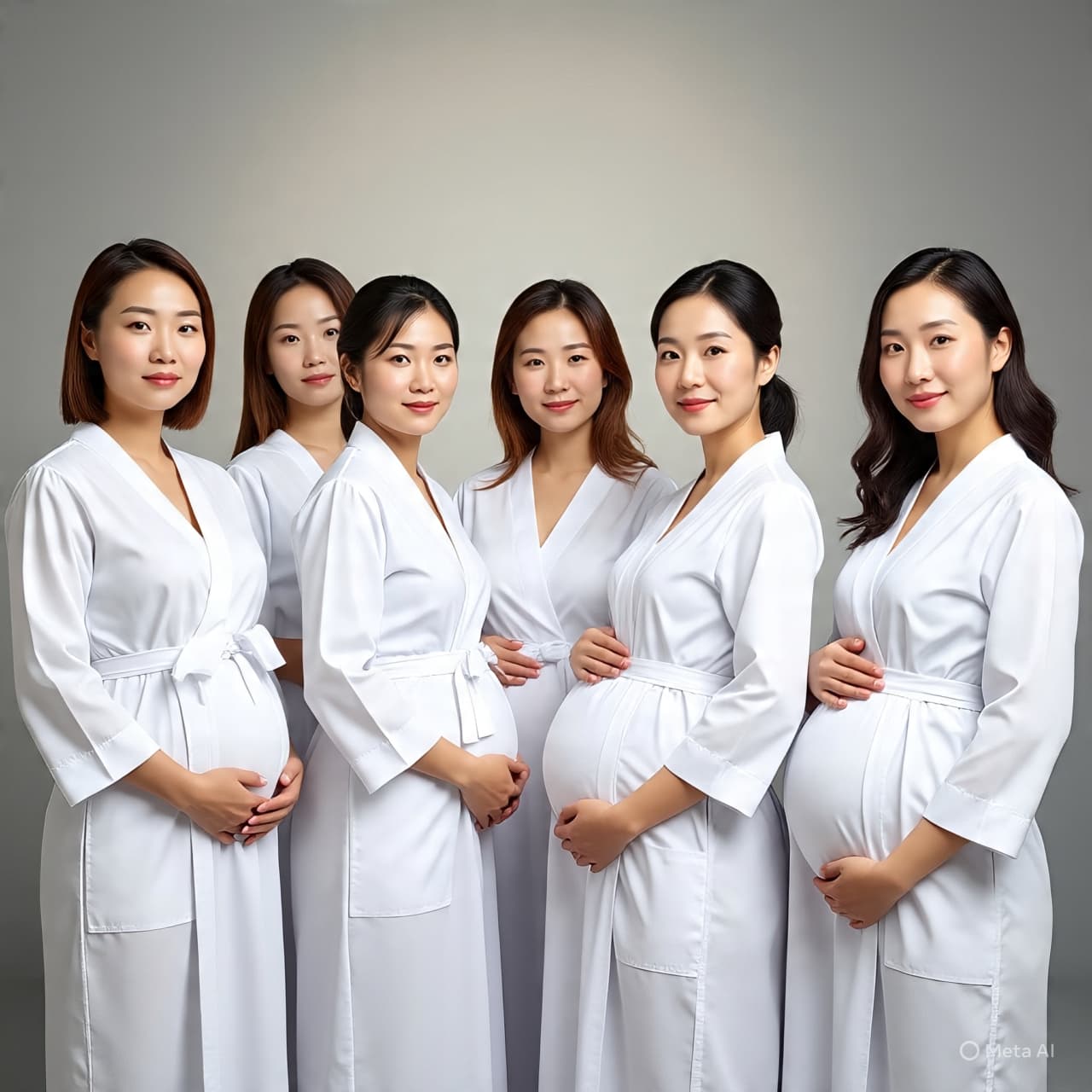
AI Image Disclaimer *Visuals are created with AI tools and are not real photographs.*
Sources
American Heart Association Newsroom Mirage News (Science reporting on health study) PubMed / systematic research on ethnic differences in preeclampsia risk Stanford Medicine coverage (hypertension’s contribution to pregnancy complications) Research on maternal hypertension prevalence by race/ethnicity (PMC)
Published by Banx Network. This article is part of the Banx decentralized media programme, powered by the BXE token on the XRP Ledger.