On a cool Manila morning, the city stirred not with the bustle of daily commerce, but with the quiet resolve of thousands carrying hope and indignation alike. Like a river swollen beyond its banks, the collective breath of ordinary citizens — clergy, workers, families — flowed toward a monument of people-power, each step echoing a demand for justice that felt long overdue.
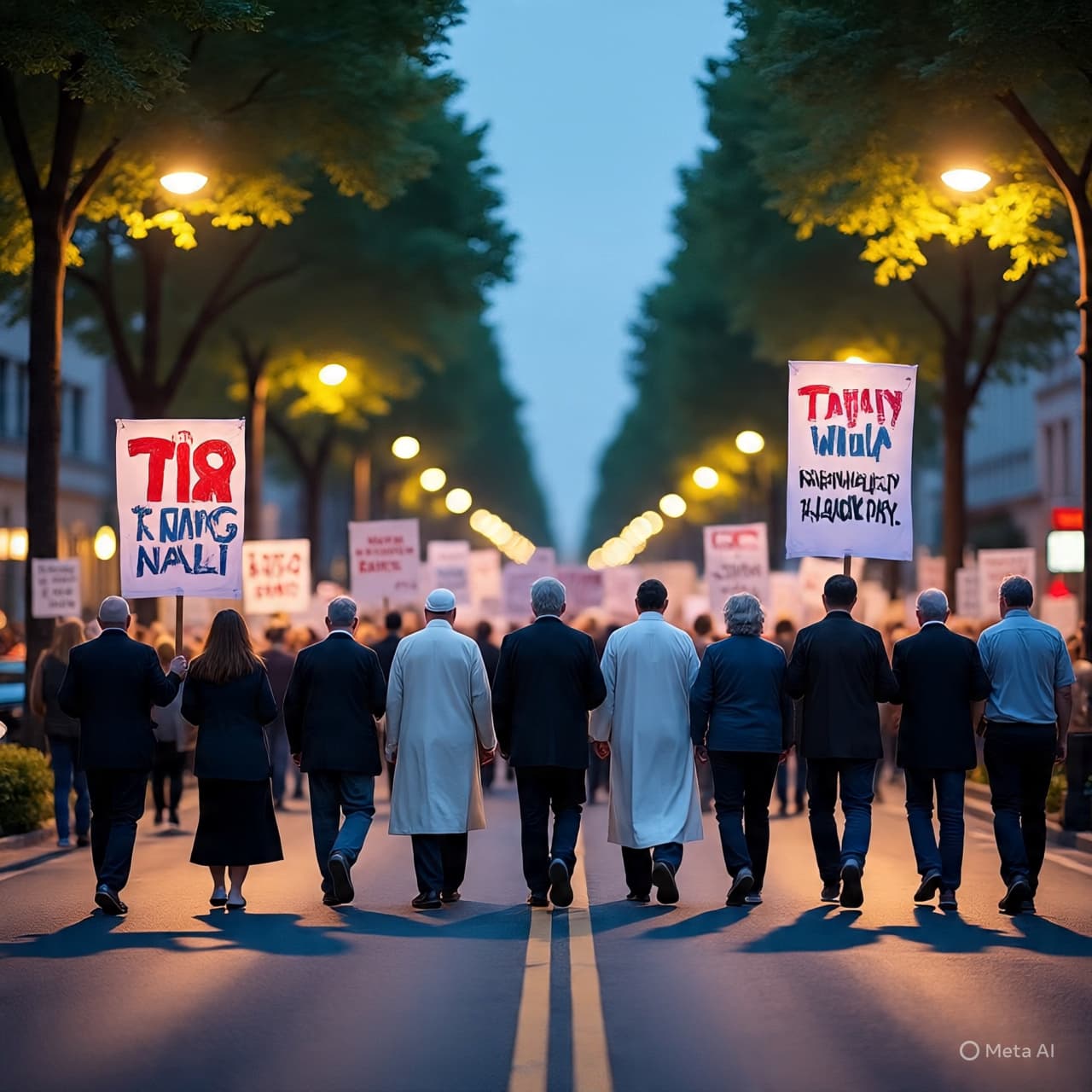
In the heart of the capital, protestors gathered in soft solidarity. Wearing white, they moved not as a crowd incited by rage, but as a community awakened. Their message was simple yet searing: return what was taken, hold the powerful to account, restore what belongs to the people. At the core of their outrage lay a scandal of flood-control projects — many of which skeptics say were defective, incomplete, or perhaps never built at all.
Among them walked clergy members whose voices carried more than sermon — they carried the grievances of bereft communities. As one priest implored the crowd, “If money is stolen, that’s a crime; but if dignity and lives are taken away, these are sins against fellow human beings, against the country, and — most importantly — against God.” That moral clarity transformed the protest from political outcry into a deeply human call for justice.
The scale of involvement was noteworthy: beyond protesters, tens of thousands of police were deployed; streets around government centers were barricaded; the capital wore an air of tense vigilance. Still, the gathering remained largely peaceful. Separate groups, including left-wing organizations, pressed for resignation and prosecution of all implicated officials.
This protest is part of a larger wave of civic awakening that has swept across the Philippines in recent months. What began as concern over mismanaged flood-control funds grew into a broader demand for transparency, accountability, and structural reform in governance. Many recall past episodes when similar allegations toppled administrations — and now, in echo of those eras, citizens once more step forward, emboldened by collective memory and unified purpose.
Amid the chants and placards, there was also a tone of hope. Because this was not a march born of fleeting anger, but of long-standing disappointment, shaped by years of watching promised projects vanish like mirages during storms. The protestors sought not just retribution, but restoration — of trust, of dignity, of public resources meant for the many, not the few.
As evening fell, the white-clad demonstrators dispersed quietly, leaving behind slogans, footprints, and a lingering question: Would their voices stir deeper change, or fade into the usual noise of political life?
Yet in that moment, as one more chapter was added to the country’s story, there was a sense among many that something fundamental had shifted. The people had spoken — and in doing so, reminded the nation that its wealth is not just in roads or concrete rivers, but in the trust and dignity of every citizen.
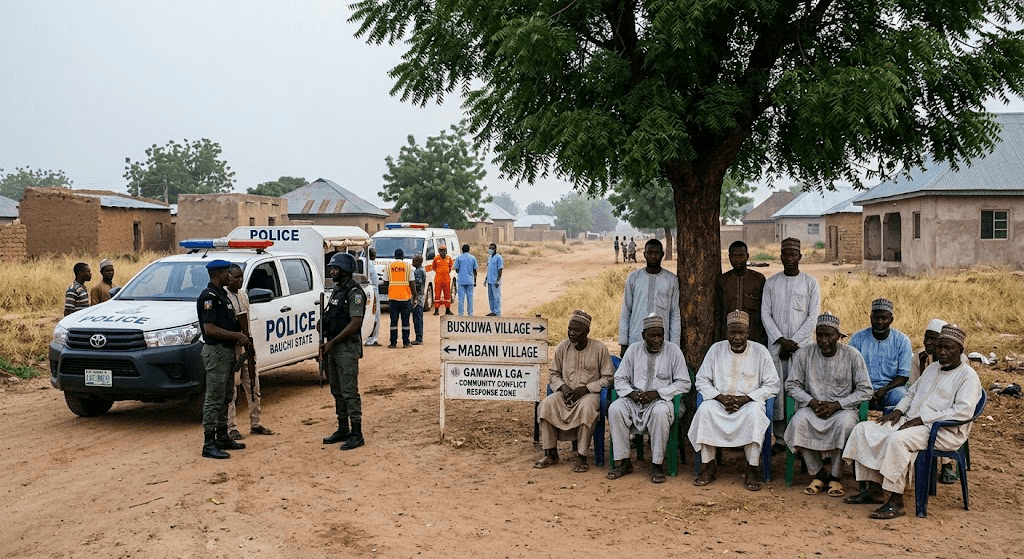
AI Image Disclaimer Visuals are created with AI tools and are not photographs, but conceptual illustrations meant to evoke the atmosphere described.
Sources Associated Press, Business Standard, The Star, KPBS, The Independent, The Washington Post
Published by Banx Network. This article is part of the Banx decentralized media programme, powered by the BXE token on the XRP Ledger.