
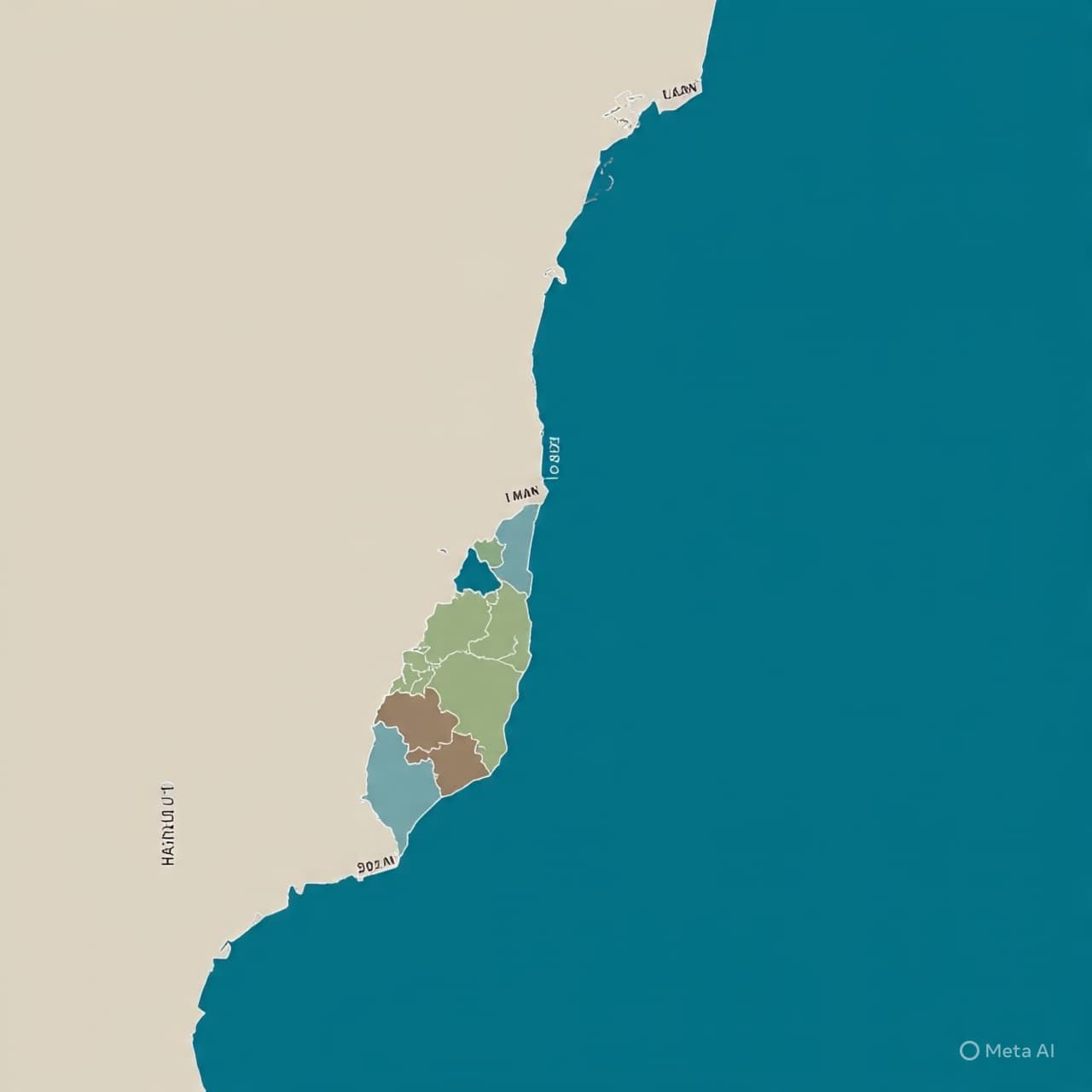
Key Highlights
- Iran is reportedly developing a vetting system for vessels in the Strait of Hormuz.
- The Strait is a critical maritime passage for global oil shipments.
- Changes in transit procedures could impact shipping routes and market dynamics.
The Strait of Hormuz, a vital maritime corridor, has long been a focal point for global trade and geopolitical tension. Recent reports indicate that Iran is considering implementing a vetting system for vessels transiting this narrow waterway. This potential development raises significant questions about the future of maritime navigation in a region already fraught with complexities.
The Strait of Hormuz is not just a geographical feature; it is a lifeline for the global oil market, with approximately 20% of the world's oil passing through its waters daily. The proposed vetting process, which would involve closer scrutiny of ships, could alter the established norms of maritime passage. While not a blockade, this shift suggests a more active role for Iranian authorities in regulating the flow of vessels, potentially transforming routine navigation into a more negotiated process.
As tensions between the United States and Iran continue to simmer, the implications of such a system are profound. The introduction of a vetting requirement could serve as a symbolic assertion of control by Iran, reflecting broader geopolitical dynamics. Shipping companies and energy markets are likely to respond with heightened caution, as even minor procedural changes can lead to significant shifts in pricing and risk assessments.
International reactions to this development have been cautious. Maritime powers and regional stakeholders are closely monitoring the situation, aware that any alteration in the flow through the Strait could have far-reaching consequences. Historical precedents, such as previous disruptions due to military actions or diplomatic tensions, underscore the fragility of stability in this critical region.
Despite the potential for increased oversight, the daily operations within the Strait of Hormuz remain largely unchanged for now. Tankers continue to navigate established routes, their movements tracked by monitoring systems. For the crews aboard these vessels, the strait is a tangible reality, not merely a backdrop for geopolitical maneuvering.
The proposed vetting system represents a delicate balancing act for Iran. It signals a willingness to engage with international maritime norms while simultaneously asserting its authority over a crucial passage. As discussions evolve, the future of this initiative remains uncertain, hinging on the interplay of political currents and maritime realities.
In conclusion, the Strait of Hormuz endures as a narrow yet essential conduit for global trade, quietly bearing the weight of international commerce and geopolitical tensions. The potential introduction of a vetting system by Iran could reshape the landscape of maritime passage, making it imperative for stakeholders to remain vigilant and adaptable in the face of changing dynamics.
Published by Banx Network. This article is part of the Banx decentralized media programme, powered by the BXE token on the XRP Ledger.



