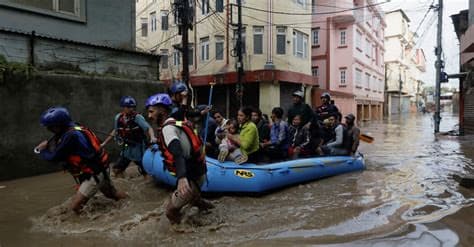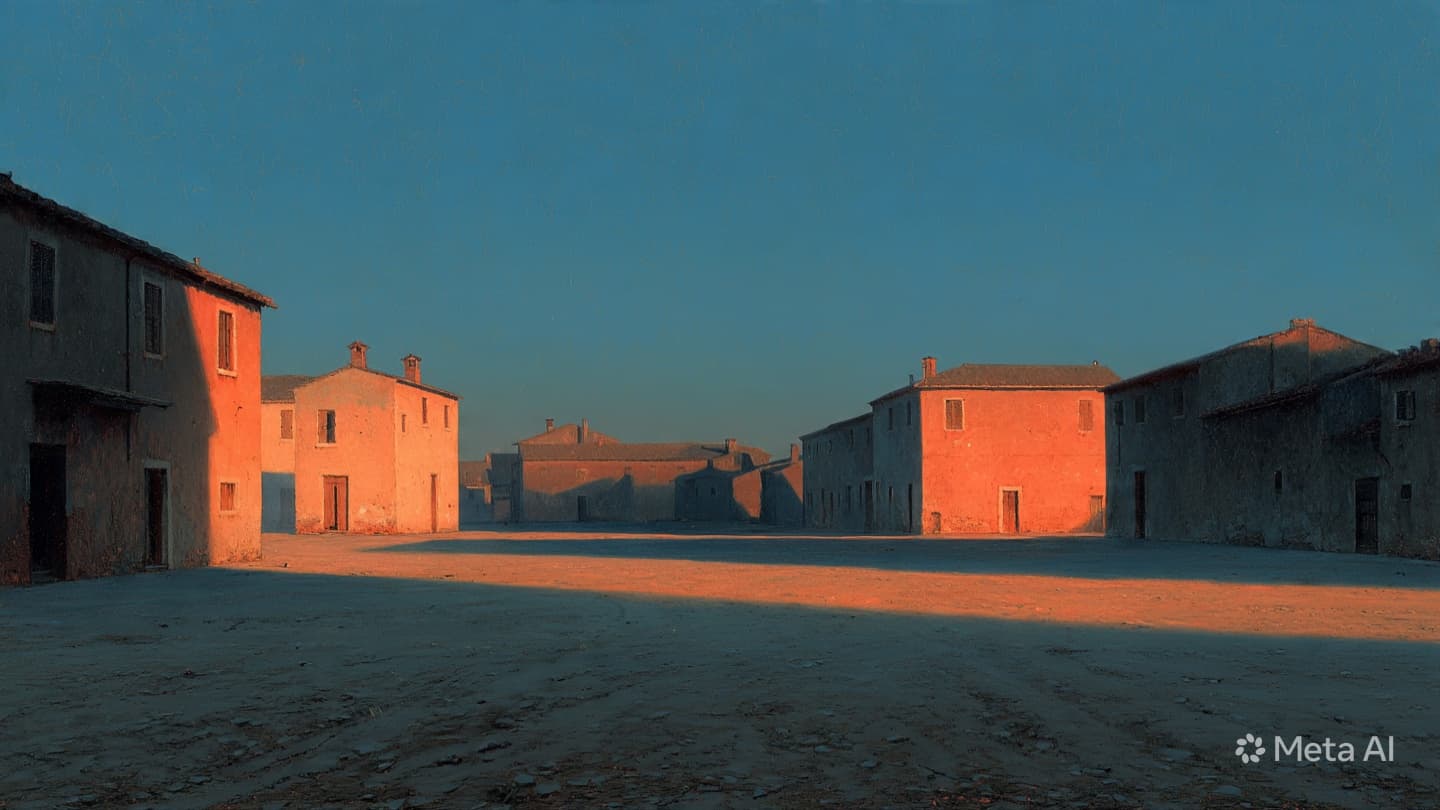
The quiet continuity of the regional interior relies entirely on the invisible promise of collective safety and predictable daily routines, where the open spaces function as a neutral backdrop for ordinary existence. In these modest settlements, the rhythm of life is defined by the simple architecture of the household—the gathering for meals, the tending of local shops, and the unhurried movement of people navigating their days. It is a world that views its stability not as an active struggle, but as a permanent condition of peace.
Yet, that sense of domestic insulation is profoundly shattered when an armed group breaches the perimeter of the district, bringing with it a violence that projects power through immediate intimidation and control. On a recent evening, the peaceful atmosphere of several local neighborhoods was violently disrupted by a coordinated raid that subjected the civilian population to a dual ordeal of forcible displacement and aggressive interrogation. In a matter of hours, the familiar spaces of the community were transformed into an arena of profound vulnerability.
The execution of such an incursion carries a specific, suffocating kind of sorrow that focuses entirely on the immediate psychological and physical toll visited upon the innocent. Families were abruptly ordered from their beds and forced onto the dark lanes, their steps hurried by the commands of armed actors who viewed the populace through the cynical lens of suspicion. The subsequent establishment of makeshift interrogation points within public squares stripped those spaces of their civic neutrality, transforming them into sites of dread.
To contemplate such an occurrence is to recognize the deeply intrusive nature of asymmetric warfare, which increasingly targets the civilian populace as a means of exerting territorial dominance. The arbitrary questioning of citizens regarding local geography, logistics, or allegiances creates a heavy atmosphere of collective anxiety that shatters the foundational trust binding a community together. The trauma is measured not in the collapse of buildings, but in the profound erosion of the sense of personal security.
The aftermath of the raid has left the affected sectors in a state of deep, collective shock, with the lanes unusually quiet under an overcast afternoon sky. The residents who have returned to their homes move like ghosts through the streets, speaking only in low, muted tones about the events of the night. The realization that their privacy and sovereignty could be violated so effortlessly leaves a lasting shadow that defies easy administrative correction.
The humanitarian response to the crisis has begun to mobilize on the periphery of the zone, as regional relief organizations work to provide counseling, medical evaluations, and temporary support for those most heavily affected by the displacement. In these makeshift aid stations, the grand political arguments that dominate the airwaves are entirely absent, replaced by the immediate necessity of restoring a sense of calm and dignity to those in shock.
The administrative tracking of the incident by independent monitors involves a meticulous reconstruction of the timeline, compiling descriptions of the armed actors and mapping the specific locations where the interrogations occurred. This information is carefully distilled into the structured language of security briefings, providing a necessary formal record of the human cost of regional instability. Yet, beneath the official reports, the emotional weight remains deeply attached to the neighborhood.
Humanitarian monitors reported that an armed group carried out a coordinated raid on several regional settlements, engaging in the forcible displacement and unauthorized interrogation of local civilians. Regional security forces have been dispatched to reinforce the sector and stabilize the perimeter, while international aid agencies are working to establish temporary support networks for the traumatized population.
Published by Banx Network. This article is part of the Banx decentralized media programme, powered by the BXE token on the XRP Ledger.

.jpg&w=3840&q=75 "US Declares Drought Disaster for Parts of Puerto Rico as Dry Conditions Persist")