The rural landscape has a way of absorbing tension, masking the unpredictable nature of human conflict beneath a vast expanse of rolling fields and quiet country lanes. In the historic township of Adelong, nestled comfortably within the scenic valleys of New South Wales, daily life generally follows a gentle, unhurried cadence. The streets, lined with reminders of a gold-rush past, usually offer a peaceful refuge far removed from the sharp anxieties of the metropolitan sprawl. Yet, as the midday sun cast its light over the town, a sequence of events unfolding along the nearby highway broke the regional stillness, introducing a sudden and jarring reminder of the vulnerability hidden within public service.
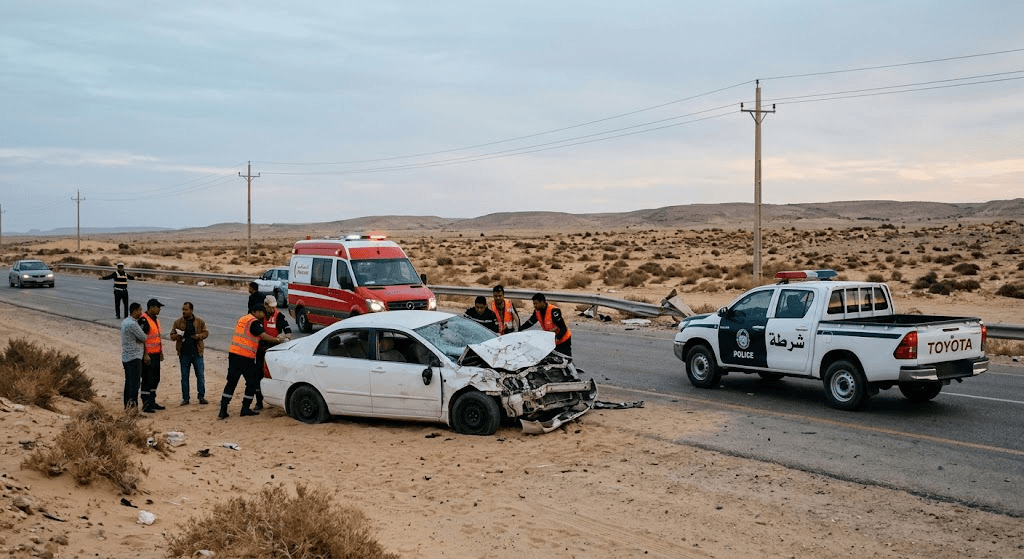
It began with a vehicular collision miles away on the Sturt Highway, an everyday misfortune that left two SUVs crumpled but its occupants apparently unharmed. Before authorities could arrive to sort through the administrative details, an unexpected departure altered the course of the afternoon, as one of the drivers was whisked away into the surrounding hills by an arriving sedan. The subsequent search by highway patrol units moved quietly through the district, tracking the vehicle as it traversed the local thoroughfares. When officers finally signaled the car to halt on a local residential road, the situation shifted from a routine traffic intercept into a direct, high-stakes physical confrontation.
The tension escalated rapidly in the quiet air of Victoria Hill Road when a passenger exited the vehicle, attempting to slip away into the landscape on foot. The brief pursuit that followed was not merely a matter of fleeing footsteps, but a sharp collision of intent and authority as the individual fiercely resisted the impending arrest. In the frantic struggle that ensued on the roadside, the line between passive resistance and active hostility disappeared completely, culminating in an assault where an officer suffered a severe bite to the wrist. It was a visceral, exhausting flash of violence, occurring in a space where neighbors usually exchange pleasantries across garden fences.
A subsequent search of the scene added a layered complexity to the afternoon's unrest, uncovering items that spoke of an undercurrent far removed from rural isolation. Authorities allegedly discovered quantities of illicit substances, including methylamphetamine and cocaine, alongside a substantial sum of cash tucked away within the suspect’s belongings. The presence of these elements transformed the narrative from a simple roadside evasion into something significantly more systemic, suggesting that the quiet corridors of the country are not entirely immune to the broader, more troubled movements of the outside world.
Following the containment of the scene, the focus shifted immediately to the physical aftermath of the struggle, where the toll of the encounter became visible. NSW Ambulance paramedics arrived to provide initial treatment, navigating the delicate transition from a chaotic arrest to a structured medical response. The suspect was escorted under guard to the regional hospital in Wagga Wagga for a comprehensive clinical assessment, ensuring that the legal process paused just long enough to satisfy basic protocols of care. Meanwhile, the injured officer was left to contend with the immediate and long-term medical implications of a deep puncture wound, an injury that carries an emotional weight far outlasting the physical pain.
In communities as tight-knit as those found in the Riverina district, an assault on a first responder is felt with a peculiar, collective intimacy. The individuals who wear the uniform are not distant, anonymous agents of the state; they are members of the local fabric, people who share the same grocery aisles and community spaces. The news of the incident traveled quietly but swiftly through the township, bringing a somber mood to the local businesses and historic pubs. It forces a uncomfortable recognition that the security of small-town life relies on a handful of individuals who must routinely step into unpredictable situations on behalf of the collective peace.
The institutional response to the alteration of order was swift, shifting seamlessly from the gravel roadside to the sterile environment of the police station. Detectives compiled a comprehensive brief detailing seven distinct offenses, ranging from serious drug supply charges to the specific accusation of assaulting a police officer causing actual bodily harm. The legal framework moves forward with its own indifferent, mechanical precision, ensuring that the individual remained refused bail ahead of a scheduled appearance before the judicial division. It is a necessary, formal closing of a circle that began with a dented bumper on a distant highway.
As the evening coolness settles over Adelong, casting long, purple shadows across the valley floor, the local streets return to their familiar, quiet equilibrium. The blue lights that punctuated the afternoon have long since faded, leaving the mountain air clean and undisturbed under a rising canopy of stars. Inside the regional medical facilities, the quiet routines of healing take over, providing a slow antidote to the sharp adrenaline of the day's events. The town moves into the night, its surface appearing entirely unchanged, yet holding a quiet awareness of the fragile boundaries that preserve its peace.
Published by Banx Network. This article is part of the Banx decentralized media programme, powered by the BXE token on the XRP Ledger.