An industrial complex on the periphery of a metropolis possesses its own stark, functional beauty, a landscape of corrugated steel, wide asphalt loading bays, and towering concrete warehouses that facilitate the physical storage of the city's material life. In the eastern districts of Berlin, these structures stand as monuments to distribution and logistics, housing everything from manufacturing components to consumer goods before they are dispersed into the wider market. During the quiet hours of the weekend, these complexes empty of their forklift drivers and security personnel, settling into a deep, mechanical silence under the vast northern sky. It is an environment built for utility and endurance, designed to withstand the wear of constant commercial movement.
Yet, the structural mass of these industrial giants can be completely undone by the sudden introduction of a volatile, accelerating flame, transforming a repository of wealth into a towering furnace within an hour. On a night when the clouds hung low and heavy over the capital, the darkness of an industrial sector was broken by a brilliant, orange light that rose high into the stratosphere. The fire did not begin with the slow, predictable smolder of an electrical failure; it erupted across multiple points of the main structure with a sudden violence that suggested a deliberate intention to destroy. In a matter of minutes, the reinforced concrete walls were glowing with an intense, internal heat that defied the initial efforts of the responding fire crews.
To witness a massive industrial blaze is to understand the terrifying speed with which modern materials can be consumed when an accelerant is introduced to the environment. The specialized firefighting units that arrived from across the city did not find a localized problem, but a fully advanced inferno that was already threatening the structural integrity of the entire block. The roar of the flames could be heard from kilometers away, a deep, resonant sound that mixed with the sharp cracks of collapsing steel roof beams. The daylight would eventually reveal the absolute ruin of the facility, but for now, the night was dominated by the immense task of containment.
There is a distinct, somber atmosphere that follows the extinguishing of a massive fire, a landscape where the black smoke slowly thins into a grey, drifting mist that covers the entire district in ash. The cooling ruins of the Berlin warehouse presented a complex challenge to the arson investigators who entered the site as soon as the ground was safe to tread. The smell of burnt chemicals and incinerated inventory hung thick in the air, a heavy vapor that clung to the protective gear of the forensic teams. They moved through the twisted remains of the steel girders with a meticulous, searching focus, looking for the physical signatures that distinguish an accident from an act of malice.
The confirmation of foul play within the ruins alters the nature of the event, transforming an expensive industrial accident into a serious criminal inquiry that challenges the security of the commercial sector. Arson investigators rely on the preservation of minute details within the debris—the pattern of charring on a concrete column, the residue of chemical compounds in the lowest layers of ash, and the failure of automated alarm systems that had been intentionally disabled prior to the strike. These elements speak a clear language to those trained to read them, documenting a deliberate intervention that sought to erase the facility from the landscape.
The impact of such a destruction extends far beyond the physical loss of the building and the inventory housed within its walls. It introduces a sharp element of economic instability into the logistics network, disrupting the supply lines of multiple businesses that depended on the complex for their daily operations. When a critical node in the distribution system is targeted and destroyed, it forces a reconsidering of the security protocols that protect the industrial periphery, highlighting how easily a hidden hand can disrupt the material flow of the city.
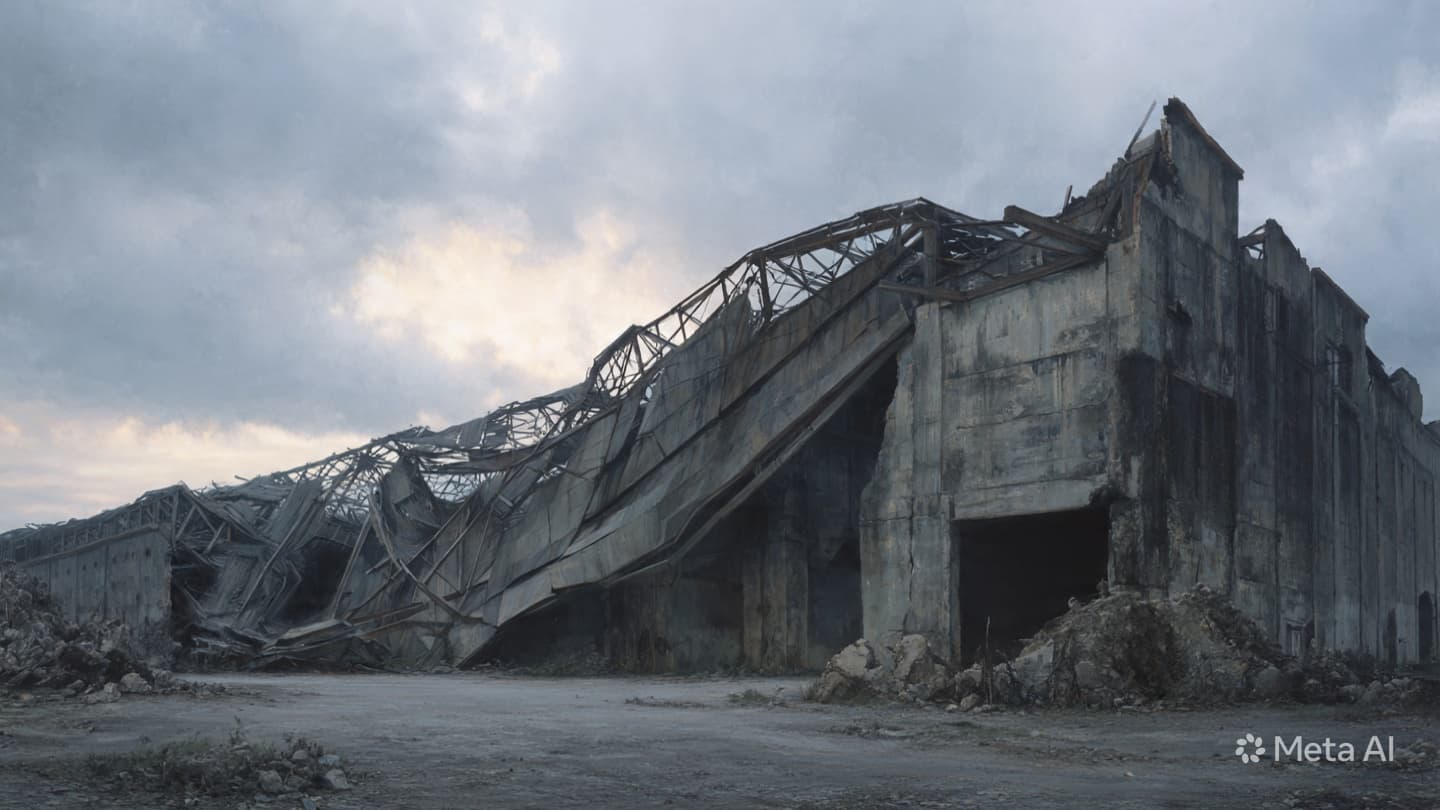
As the heavy machinery began the long process of clearing the unstable walls and twisted metal from the site, the true scope of the devastation became apparent to the administrative authorities. The complex, which had served as a primary distribution hub for regional retail networks, had been completely hollowed out by the heat, leaving only a shell of blackened masonry standing against the morning light. The financial loss was estimated in the tens of millions of euros, a burden that would ripple through insurance markets and corporate ledgers for years to come.
The technical process of criminal formalization followed the extensive on-site investigation, bringing a definitive clarity to the cause of the industrial disaster. The Berlin State Fire Marshal, in coordination with the Federal Criminal Police Office, confirmed on Wednesday that forensic evidence has established a definitive case of arson in the blaze that destroyed the Neukölln industrial complex. Specialized sniffer dogs and gas chromatography analysis identified traces of synthetic petroleum accelerants at three distinct entry points along the southern facade of the warehouse. The state prosecutor has opened a felony investigation into intentional property destruction and endangerment, and authorities are currently reviewing regional surveillance footage to identify two vehicles seen departing the area shortly before the initial alarms were triggered.
Published by Banx Network. This article is part of the Banx decentralized media programme, powered by the BXE token on the XRP Ledger.