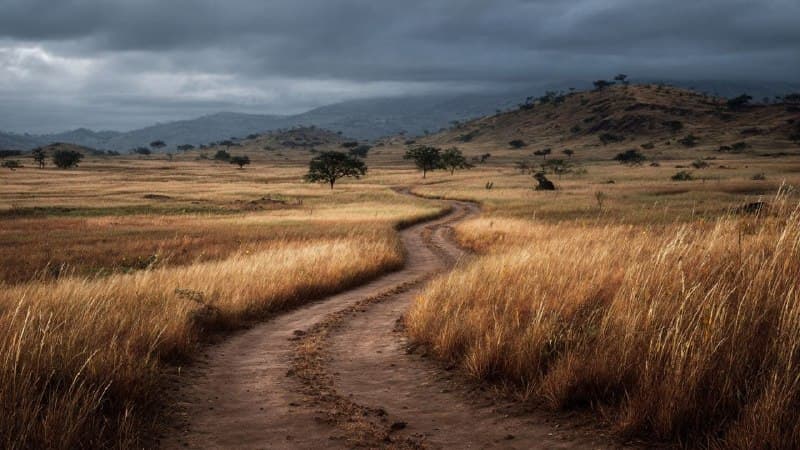
The valleys of the Manzini region are typically places of predictable grace, where the hills roll softly under the changing light and the evening brings a familiar, settling calm to the homesteads. Neighbors know the paths that connect the villages, and the dirt roads are walked with an easy familiarity born of generations of shared peace. It is a landscape that invites trust, where the darkness of evening is usually welcomed as a time for rest.
Lately, however, that ancient sense of security has been replaced by a thin, persistent tension that hovers over the paths like a morning mist. The peace of the region was broken not by a grand event, but by successive violations of the community's safety, targeting those who walk the roads alone. When the vulnerability of individuals is exposed in such a manner, the very geography of a place shifts, turning familiar bushes and dark corners into objects of quiet suspicion.
The fear that now occupies the area is not loud, but it manifests in the altered habits of the people who live here. The doors are locked a little earlier as the sun dips below the western ridges, and the casual evening strolls have ceased entirely. Women walk in small groups now, their eyes scanning the margins of the road where the tall grass meets the gravel, looking for anything that feels out of place.
To live in a state of heightened vigilance is to experience the landscape with a heavy, analytical focus that robs the evening of its natural beauty. The rustle of dry leaves in the wind is no longer just the wind; it is a potential footstep, a reason to quicken the pace. The community has drawn inward, holding its breath as it waits for the resolution of a threat that remains frustratingly unseen.
Through these same hills, the searchers move with a steady, quiet determination, navigating the dense thickets and isolated homesteads as the hours pass. The effort to locate the source of the unrest is vast, involving individuals who know the terrain intimately, tracking the subtle disturbances in the bush that indicate a recent passage. It is an exhausting task, carried out against the clock and the growing anxiety of the populace.
The resilience of the local families is evident in the way they look out for one another, sharing warnings and ensuring that no one is left to navigate the dark hours isolated. Yet, the emotional toll of the ongoing search is heavy, casting a long shadow over the daily routines of school, farming, and trade. The natural rhythm of life continues, but it does so under a cloud of watchful apprehension.
There is a deep desire within the valley for the return of the days when the night belonged only to the stars and the quiet sounds of the countryside. Until that moment arrives, the people of Manzini will continue to watch the horizon with an earnest gravity, hoping that the peace they so highly value will soon be restored to their hills.
The landscape remains beautiful, the green fields stretching out under the sun, but the current atmosphere is a reminder of how easily the tranquility of a region can be unmade by the actions of a few. The search continues into the deep brush, a silent campaign to reclaim the safety of the public paths.
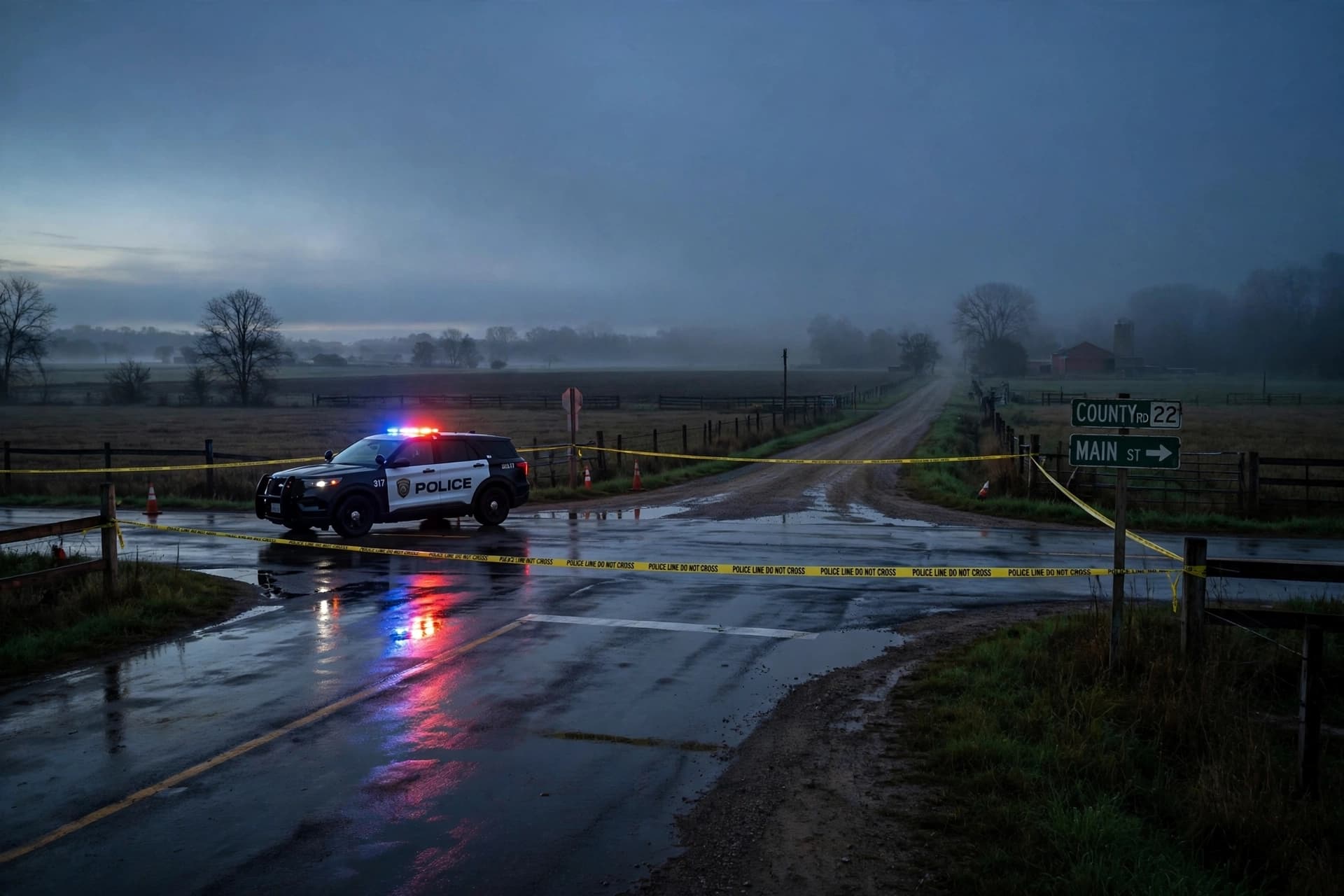
The Royal Eswatini Police Service has deployed additional tactical units and canine teams across the Manzini region to conduct an extensive search for the suspect responsible for the three recent assaults. Authorities have urged residents to exercise extreme caution and to report any suspicious individuals immediately.
Published by Banx Network. This article is part of the Banx decentralized media programme, powered by the BXE token on the XRP Ledger.