
Key Highlights
- Discovery:CSIRO researchers unveil over 110 new species in the Coral Sea.
- Depth Range:Findings span depths from 200 to 3,000 meters.
- Ecological Importance:New species crucial for marine park conservation efforts.
Researchers from the Commonwealth Scientific and Industrial Research Organisation (CSIRO) and the Nippon Foundation-Nekton Ocean Census have made a groundbreaking discovery in the depths of the Coral Sea Marine Park. During extensive surveys, the team identified over 110 new species of fish and invertebrates, shedding light on the rich biodiversity that thrives in these largely unexplored waters. This significant finding not only enhances our understanding of marine life but also underscores the importance of conservation efforts in protecting these delicate ecosystems.
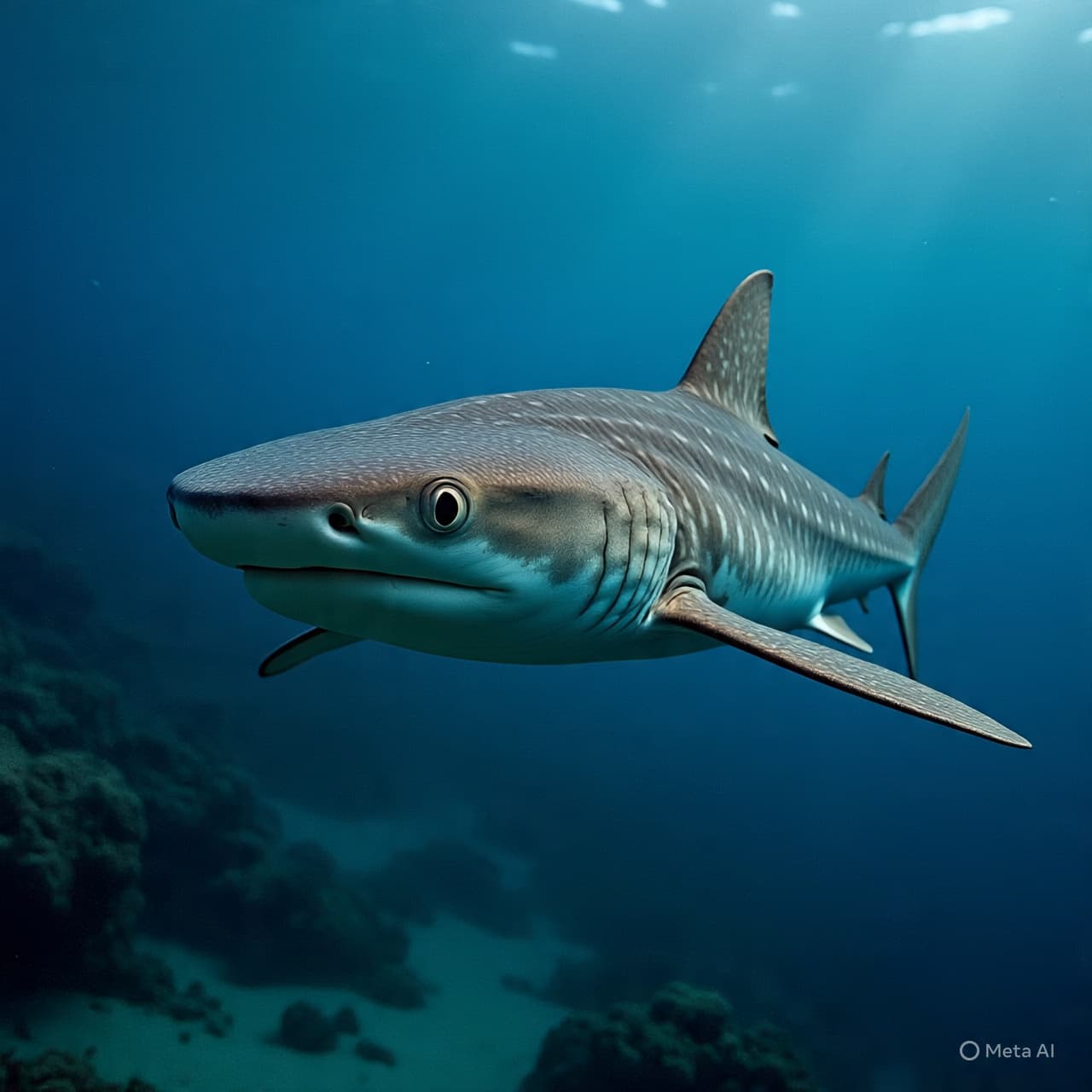
The Coral Sea, known for its stunning coral reefs, transitions into a mysterious abyss where sunlight fails to penetrate. This unique environment, characterized by extreme pressure and darkness, is home to a variety of life forms that have adapted to survive in such harsh conditions. Among the newly discovered species are deep-water catsharks, rays, and a diverse array of invertebrates, each showcasing remarkable adaptations that allow them to thrive in the cold, dark waters.
The research team utilized advanced remote-operated vehicles (ROVs) to explore the seamounts and deep-water plains of the Coral Sea. These vehicles provided high-resolution imagery and allowed scientists to collect samples from depths ranging from 200 to 3,000 meters. The meticulous process of cataloging these species will take years, as researchers analyze the samples and document the ecological roles these new inhabitants play within their environment.
The discoveries made by the CSIRO team serve as a vital reminder of the ocean's unexplored territories. Despite advancements in technology and marine research, vast areas of the ocean remain unmapped and unstudied. The findings highlight the need for continued exploration and conservation efforts to protect these fragile ecosystems from the threats posed by climate change, pollution, and overfishing.
In addition to their ecological significance, these new species also contribute to our understanding of evolutionary biology. The adaptations observed in these creatures offer insights into how life can flourish in extreme conditions, providing valuable information that could inform future research on biodiversity and resilience in the face of environmental changes.
As the scientific community processes the data and officially names the new species, the Coral Sea continues to be a sanctuary for life, quietly supporting a complex web of organisms. The researchers express a sense of awe and responsibility, recognizing that their findings are not just about cataloging new species but also about advocating for the protection of these vital marine habitats. The discoveries serve as a call to action, emphasizing the importance of stewardship in preserving the ocean's hidden wonders for future generations.
The story of these new species is one of hope and discovery, reminding us that the natural world still holds many secrets waiting to be uncovered. As we deepen our understanding of the ocean's depths, we are also reminded of our interconnectedness with all forms of life, urging us to appreciate and protect the delicate balance of our planet's ecosystems.
Published by Banx Network. This article is part of the Banx decentralized media programme, powered by the BXE token on the XRP Ledger.



