
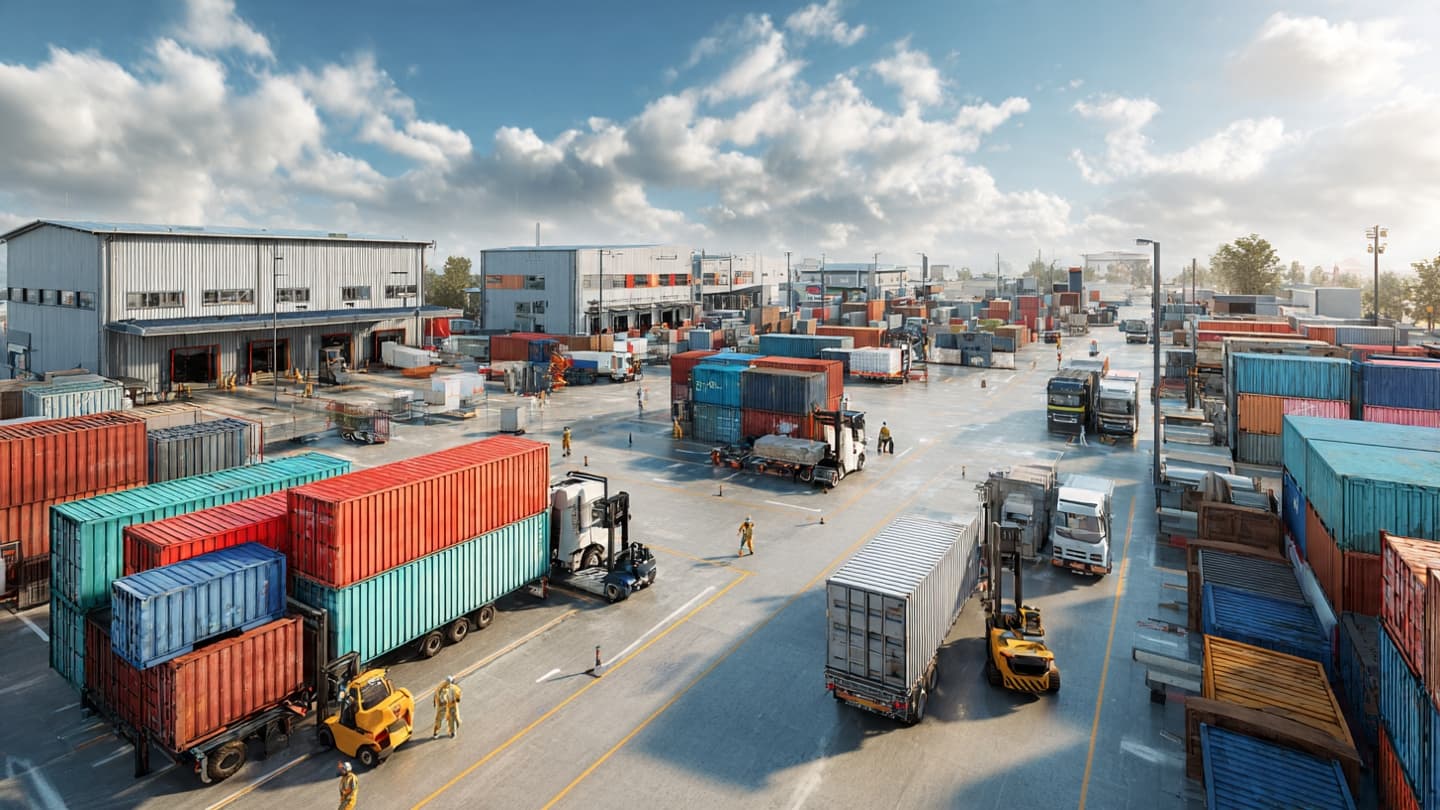
Key Highlights
- Regional cooperation is enhancing supply chain resilience in the Middle East.
- Companies are adopting digital tracking and modern warehousing solutions.
- Experts predict continued investment in logistics infrastructure.
The Middle East is witnessing a significant transformation in its supply chain networks, driven by enhanced regional cooperation among businesses, transportation providers, and trading partners. This collaboration is crucial for the region's economic stability and growth, particularly in sectors such as manufacturing, retail, agriculture, and logistics. As companies strive to improve their operational efficiency, the focus on strengthening supply chains has never been more critical.
Recent advancements in technology are playing a pivotal role in this evolution. Businesses across the region are increasingly adopting digital tracking systems and modern warehousing solutions, which streamline operations and reduce delays. These innovations not only enhance reliability but also foster a more agile response to market demands. Improved transportation planning further supports these efforts, ensuring that goods move swiftly and efficiently across borders.
Industry experts emphasize that stronger supply chain cooperation is essential for attracting investment and improving trade efficiency. By fostering closer ties among regional players, the Middle East can create a more resilient economic environment that encourages long-term commercial growth. This interconnectedness is vital, especially in a landscape where global supply chains are frequently disrupted by geopolitical tensions and economic fluctuations.
Moreover, the ongoing investment in logistics infrastructure is expected to solidify the Middle East's position as a key hub for both regional and international trade. As countries within the region enhance their connectivity, they not only improve their own economic prospects but also contribute to a more robust global trading system. The emphasis on collaboration and shared resources is paving the way for a more integrated market that benefits all stakeholders involved.
Looking ahead, experts predict that the trend of regional cooperation will continue to gain momentum. As businesses recognize the advantages of working together, the Middle East is poised to become an even more significant player in global trade. The commitment to building stronger supply chains will not only enhance economic resilience but also create new opportunities for growth and innovation across various sectors.
In conclusion, the ongoing efforts to strengthen supply chain networks through regional cooperation are set to transform the Middle East's economic landscape. By leveraging technology and fostering collaboration, the region is well-positioned to navigate the complexities of modern trade and emerge as a leader in global commerce.
Published by Banx Network. This article is part of the Banx decentralized media programme, powered by the BXE token on the XRP Ledger.



