
Key Highlights
- Oil Flow Resumes:The Druzhba pipeline has restarted oil deliveries after repairs.
- EU Financial Aid:A €90 billion loan package for Ukraine was approved.
- Political Changes:Hungary's leadership shift may affect energy policies.
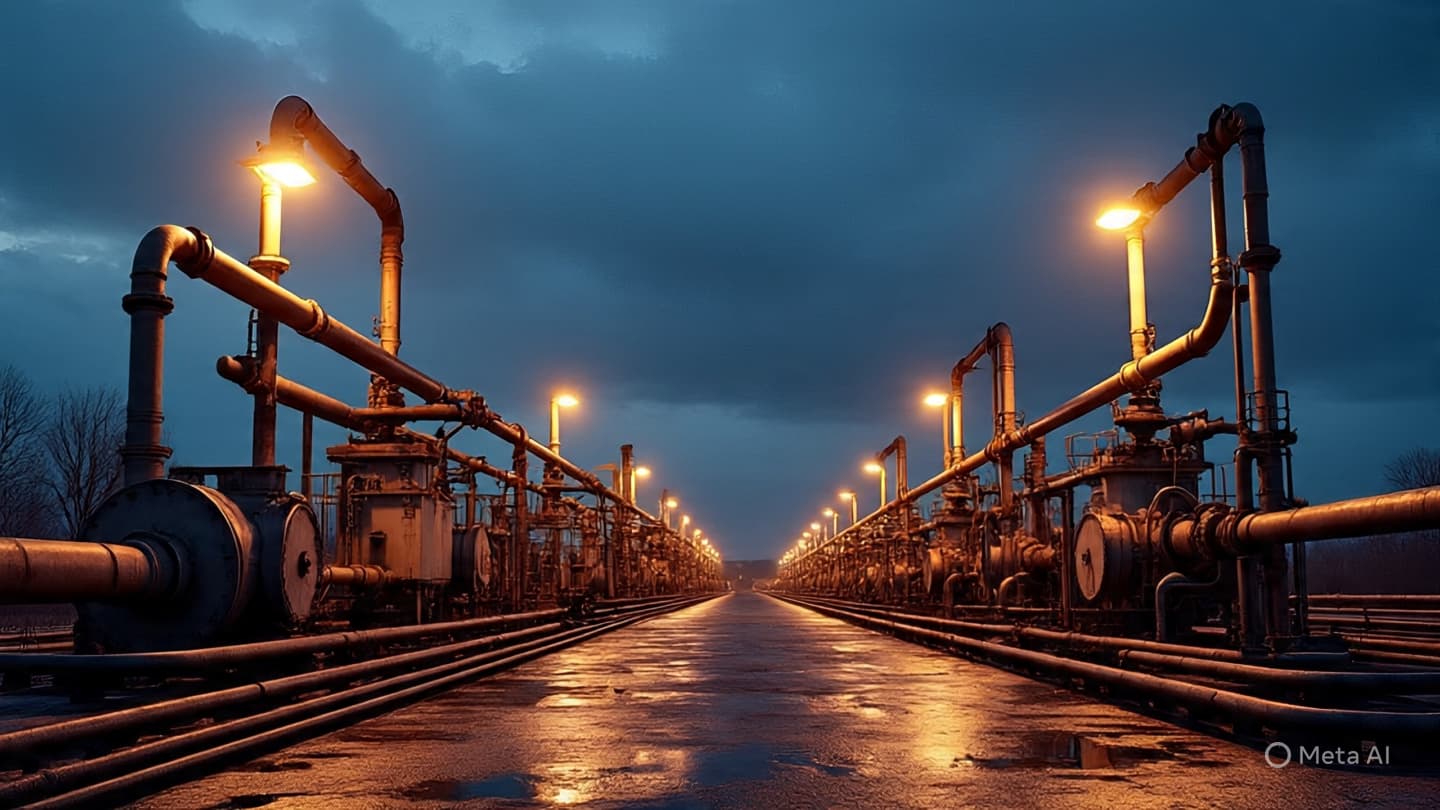
The Druzhba pipeline, a relic of Soviet-era infrastructure, has resumed its flow of oil this week, marking a significant moment in the ongoing geopolitical landscape of Europe. This pipeline, which translates to "friendship," has recently become a symbol of the complex relationships between nations, particularly in the context of the ongoing conflict in Ukraine. After months of inactivity due to damage from a Russian drone strike, oil is once again moving westward through Ukraine towards Hungary and Slovakia, highlighting the intertwined fates of energy and politics in the region.
The resumption of oil flow comes at a critical time. Shortly after the pipeline reopened, European Union ambassadors in Brussels approved a long-awaited €90 billion loan package for Ukraine. This financial assistance is crucial for sustaining Kyiv’s economy as the war continues into another year. The aid had been stalled for months, primarily due to disputes involving Hungary and Slovakia, which argued that halted oil deliveries jeopardized their energy security. Both nations remain heavily reliant on Russian crude oil, benefiting from exemptions to broader sanctions.
Hungary's outgoing Prime Minister Viktor Orbán had accused Ukraine of delaying necessary repairs to the pipeline, a claim that Kyiv has firmly denied. This situation underscores the delicate balance of power and dependency that characterizes the current European energy landscape. The reopening of the Druzhba pipeline is not just a logistical achievement; it represents a broader narrative of necessity and compromise amid ongoing conflict.
As the oil begins to flow again, the political landscape in Hungary is also shifting. Orbán's recent electoral defeat has led to expectations of a more conciliatory approach from his successor, Peter Magyar. Magyar has indicated a willingness to cooperate with the European Union and is expected to lift the veto on financial aid to Ukraine, although he has yet to take office officially. This change in leadership could facilitate a smoother path for future negotiations and aid packages, reflecting the evolving dynamics within the EU.
However, the situation remains complex. Germany has confirmed that it will no longer receive Kazakh crude oil through the Druzhba pipeline starting in May, as Russia has reportedly halted those exports. This development illustrates the ongoing challenges of energy supply and the need for Europe to adapt to a rapidly changing geopolitical environment. The broader effort to reduce dependence on Russian energy continues, with imports significantly declining since 2022 and renewable energy sources gaining traction across the continent.
The reopening of the Druzhba pipeline serves as a reminder of the enduring nature of energy dependencies. Pipelines are not easily replaced, and the historical ties that bind nations through energy infrastructure are difficult to sever. Even in times of conflict, the flow of oil persists, driven by economic necessities and longstanding agreements. As the pumps begin to operate once more, the implications of this resumption extend beyond mere logistics, reflecting the intricate web of relationships that define Europe’s energy landscape.
In conclusion, the resumption of oil flow through the Druzhba pipeline is a significant development in the context of ongoing geopolitical tensions. It highlights the complexities of energy dependencies and the political maneuvering that accompanies them, as Europe grapples with its relationship with Russia and the future of its energy security.
Published by Banx Network. This article is part of the Banx decentralized media programme, powered by the BXE token on the XRP Ledger.



