Cities often depend not only on steel and concrete, but on invisible systems of attention. Inspections conducted quietly behind closed doors, maintenance records filed into archives, signatures placed beneath safety approvals that most residents never see. Yet after tragedy strikes, those unseen processes suddenly become matters of public scrutiny, examined closely beneath the harsh light of grief.
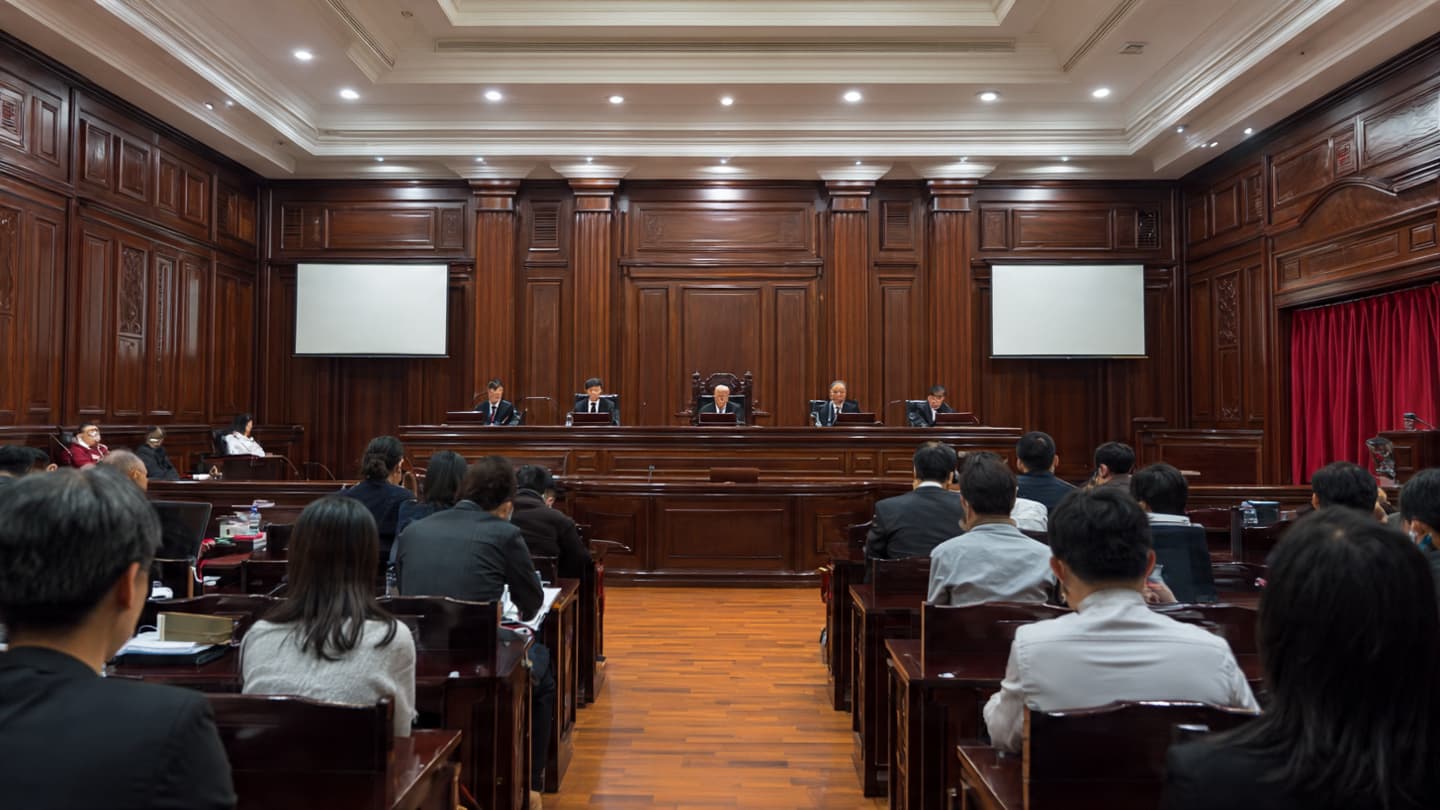
Hong Kong authorities faced mounting criticism during ongoing hearings into a deadly residential fire, with observers accusing officials of maintaining a “mechanical mindset” toward fire safety oversight. The phrase emerged repeatedly as inquiry sessions explored whether rigid procedures and administrative routines may have weakened effective responses to known building risks.
The criticism followed testimony connected to the fatal Tai Po blaze, where investigators continue reviewing inspection practices and communication between housing and safety departments. Concerns were raised over whether officials focused too heavily on procedural compliance while failing to recognize broader dangers developing within the residential estate.
Participants in the inquiry described how technical reports and maintenance processes sometimes appeared detached from the realities experienced by residents living inside aging buildings. Questions centered on whether authorities adequately considered evacuation difficulties, overcrowded layouts, and the practical limitations residents faced during emergencies.
The phrase “mechanical mindset” reflected a growing frustration among community advocates and survivors who believe safety systems became too dependent on formal checklists rather than proactive risk assessment. Critics argued that fire prevention cannot rely solely on administrative completion if deeper structural problems remain unresolved.
Government representatives defended existing procedures while acknowledging that improvements may be necessary following the tragedy. Officials stated that safety inspections and maintenance reviews were conducted according to established regulations, though the inquiry continues examining whether those standards themselves were sufficient.
Across Hong Kong, the hearings have drawn attention far beyond Tai Po. Residents living inside older estates increasingly worry about the condition of emergency exits, alarm systems, and maintenance oversight within buildings that house thousands across densely populated districts.
Outside the hearing venue, conversations among residents and journalists often drifted toward broader concerns surrounding urban life in one of the world’s most crowded cities. Many spoke quietly about the tension between rapid development and the slower realities of maintaining older housing infrastructure that continues aging beneath constant pressure.
The inquiry remains ongoing as officials review testimony and technical evidence related to the fire. Authorities stated that recommendations regarding fire safety oversight and inspection practices may follow once proceedings conclude.
Published by Banx Network. This article is part of the Banx decentralized media programme, powered by the BXE token on the XRP Ledger.