

Key Highlights
- Strategic Importance:The Strait of Hormuz is a vital maritime corridor for global oil supply.
- Recent Transits:Ships from Japan, France, and Oman navigated the strait amid heightened regional tensions.
- Ongoing Tensions:The geopolitical landscape remains complex, with Iran and Western nations involved in ongoing disputes.
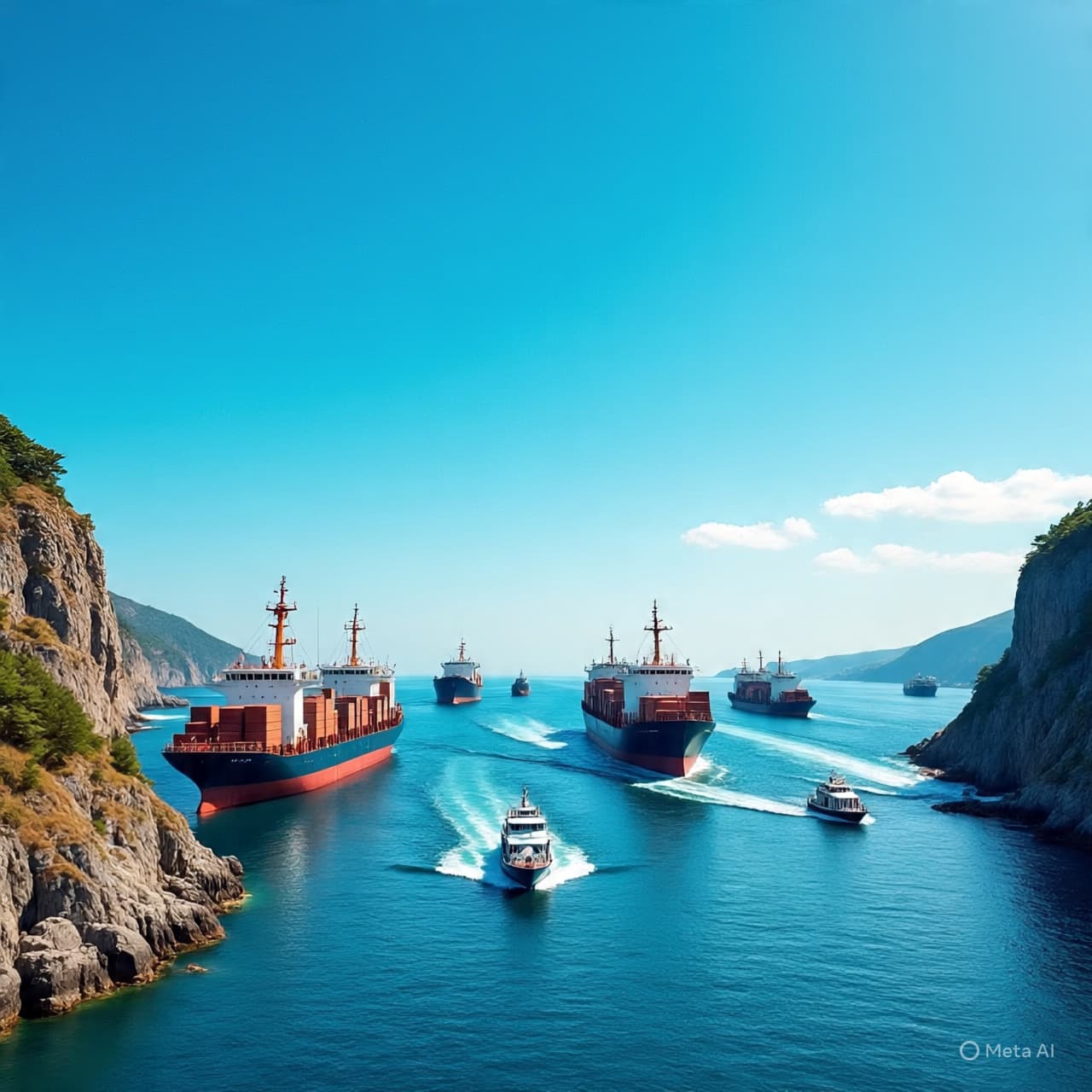
The Strait of Hormuz stands as a critical juncture in global maritime routes, where the intersection of geography and geopolitics shapes international relations. This narrow waterway connects the Persian Gulf to the Arabian Sea and is a vital artery for the transportation of oil, with approximately 20% of the world's oil supply passing through it. Recent successful transits by vessels from Japan, France, and Oman underscore the strait's significance, particularly during a period marked by heightened tensions in the region.
The successful navigation of these vessels comes at a time when the Strait of Hormuz has been a focal point of geopolitical strife, particularly involving Iran and Western nations. The presence of international ships in this corridor is not merely a routine operation; it reflects a broader commitment to maintaining open and secure sea lanes essential for global trade. The recent passage of these vessels, conducted without incident, highlights the importance of international cooperation in ensuring maritime security.
Japan and France, both heavily reliant on energy imports, have maintained a strategic presence in the region. Their involvement is part of a concerted effort to safeguard navigation through the strait, which has seen periodic escalations in tensions. Oman, strategically located at the southeastern edge of the Arabian Peninsula, plays a dual role as both a regional stakeholder and a mediator in diplomatic efforts aimed at de-escalating tensions.
Military analysts emphasize that while the transit of these vessels may appear routine, it carries significant strategic implications. Such movements signal a readiness to respond to potential threats and a commitment to collaboration among nations with vested interests in the stability of this vital maritime corridor. The coordination among Japan, France, and Oman illustrates a shared understanding of the stakes involved in maintaining open sea lanes, which are crucial for the global economy.
Despite the successful navigation of these vessels, uncertainties loom large over the geopolitical landscape surrounding the Strait of Hormuz. The region is characterized by shifting alliances, economic pressures, and ongoing disputes that can quickly escalate into conflict. Diplomatic efforts to de-escalate tensions continue, with various nations advocating for dialogue and restraint. The presence of multinational vessels serves as both a stabilizing factor and a reminder of the complexities involved in ensuring maritime security in this sensitive area.
In a world where commerce and conflict often intersect, each journey through the Strait of Hormuz carries implications that extend beyond its immediate destination. The recent successful passage of vessels through this critical waterway serves as a testament to the resilience of international cooperation amid uncertainty, highlighting the ongoing importance of dialogue and collaboration in navigating the challenges that lie ahead.
Published by Banx Network. This article is part of the Banx decentralized media programme, powered by the BXE token on the XRP Ledger.




