

Key Highlights
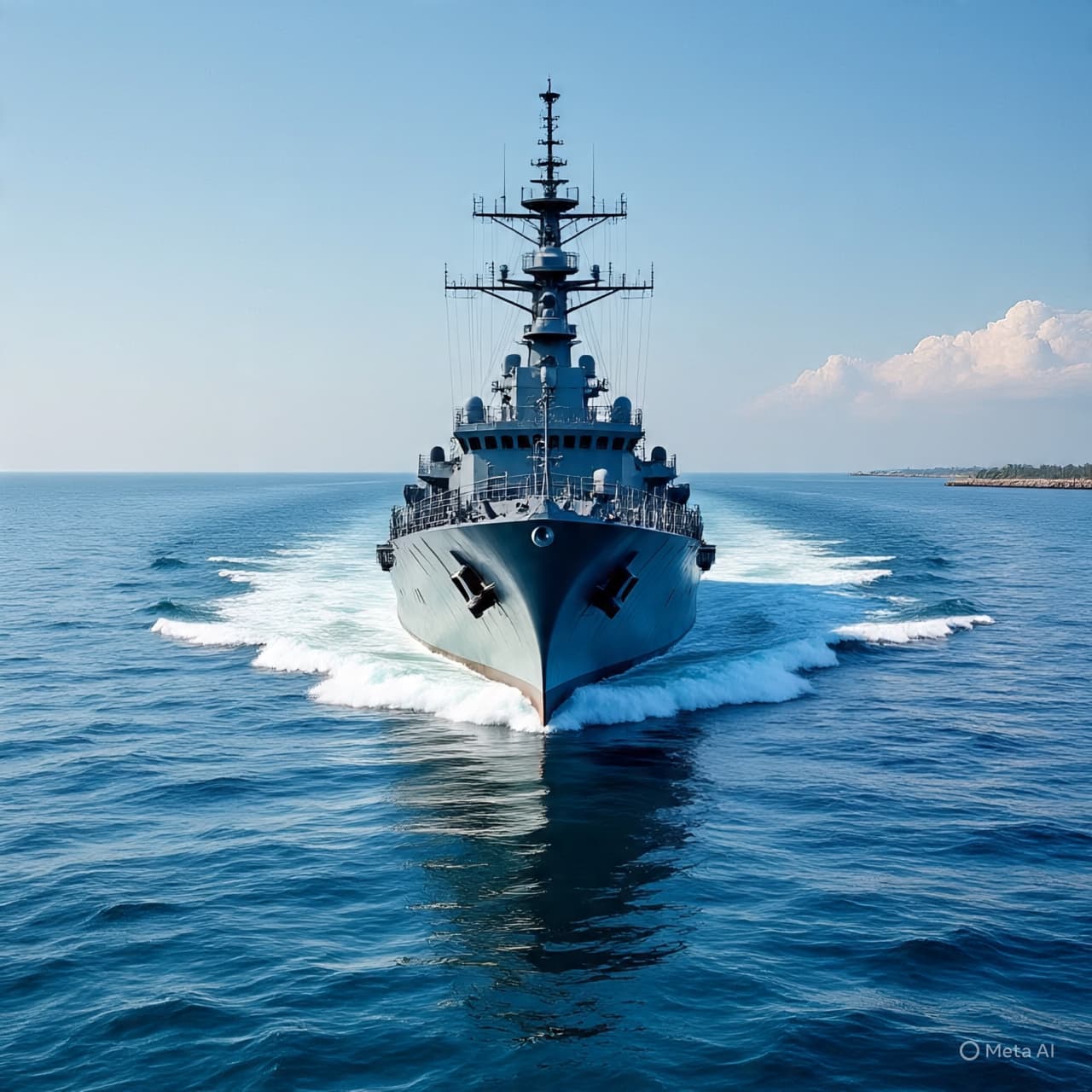
- U.S. Navy destroyers are conducting a mission in the Strait of Hormuz to clear naval mines.
- The operation aims to enhance maritime security amid rising tensions in the region.
- The Strait is crucial for global oil supply, making its security vital for international markets.
The Strait of Hormuz, a narrow yet critical waterway, serves as a lifeline for global commerce, particularly for oil transport. Recently, U.S. Navy destroyers have embarked on a mission to clear this vital passage of naval mines, a move that underscores the increasing concerns regarding maritime security in a region fraught with geopolitical tensions. This operation is not merely precautionary; it is a necessary response to the potential threats that could disrupt the flow of goods and energy across the globe.
Naval mines, often concealed beneath the surface, pose a significant risk to vessels navigating these waters. Their hidden nature introduces an element of uncertainty, compelling ships to slow down, alter their routes, or even halt operations entirely. Given that a substantial portion of the world’s oil supply traverses this corridor, any disruption can have far-reaching consequences, impacting economies and energy prices worldwide.
The U.S. Navy's involvement in this operation is a clear indication of its commitment to maintaining stability in the Strait of Hormuz. Equipped with advanced detection and defense systems, the destroyers are working alongside specialized units trained in mine countermeasures. This coordinated effort aims to ensure that commercial shipping can proceed with minimized risk, reinforcing the importance of freedom of navigation in international waters.
Officials have characterized the mission as defensive, emphasizing its role in safeguarding maritime routes rather than escalating tensions. However, this deployment occurs against a backdrop of strained relations, particularly with Iran, which shares borders with this strategic waterway. The delicate balance of power in the region means that every action taken by the U.S. Navy is scrutinized by both regional actors and global markets.
For neighboring countries and international stakeholders, the security of the Strait of Hormuz is a pressing concern. The implications of any instability are not confined to the Gulf region; they resonate across continents, affecting supply chains and energy prices. Even minor disruptions can trigger significant economic repercussions, highlighting the interconnectedness of global markets.
The operational approach at sea is methodical and deliberate. Each object detected in the water must be carefully assessed, and every movement is calculated to avoid unnecessary risks. This meticulous process reflects the understanding that haste can lead to dangerous outcomes in such a volatile environment.
In parallel with the naval operations, diplomatic efforts are ongoing to ease tensions in the region. Both public and private dialogues aim to foster understanding and prevent further escalation. This dual approach—combining military readiness with diplomatic engagement—illustrates the complexity of the situation, where actions at sea are as much about signaling intent as they are about physical security.
As the U.S. destroyers navigate these crucial waters, they are not only clearing a path for ships but also striving to establish a framework for stability in a region marked by uncertainty. The future of this path will depend on the actions taken both beneath the waves and above the surface, as regional dynamics continue to evolve.
Published by Banx Network. This article is part of the Banx decentralized media programme, powered by the BXE token on the XRP Ledger.




