
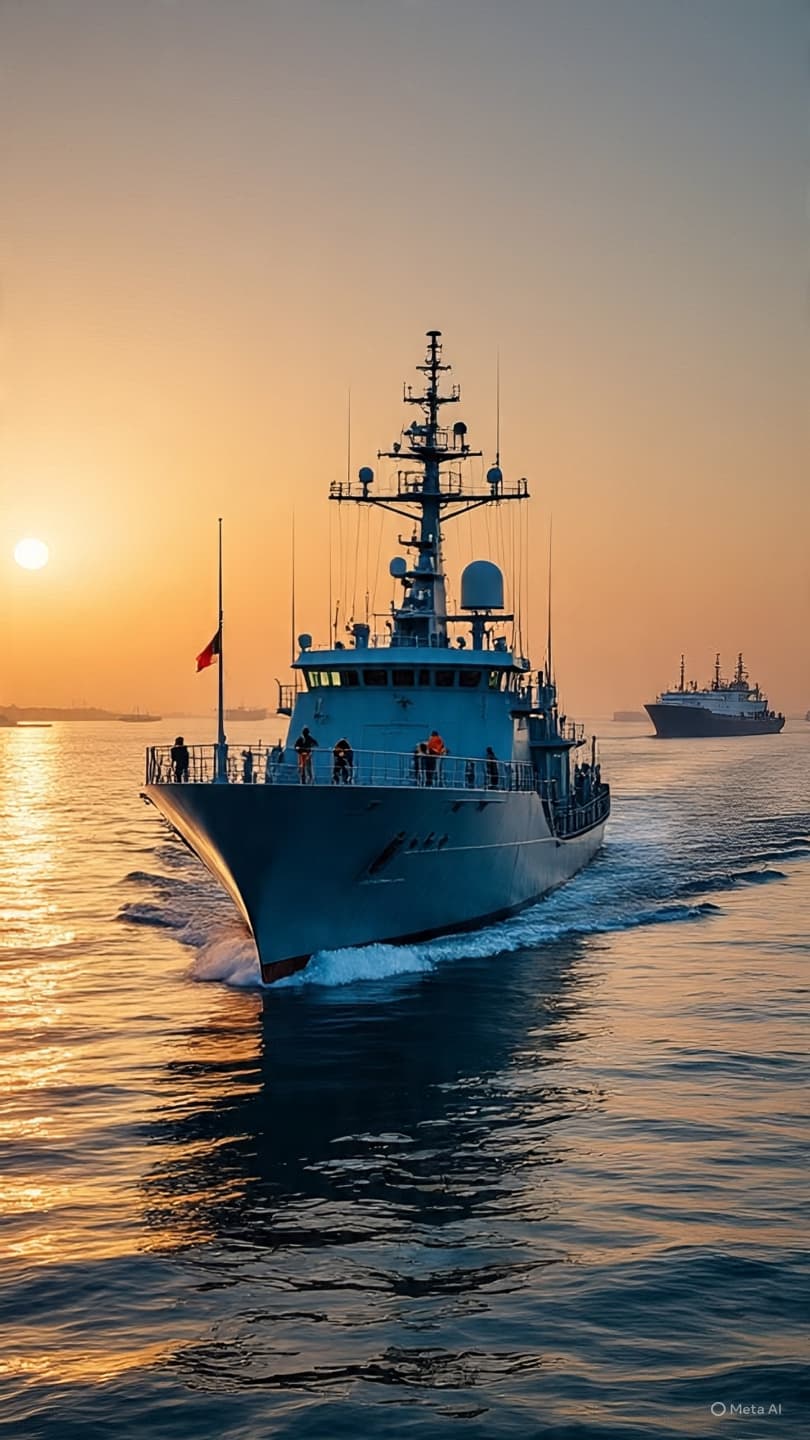
Key Highlights
- Iran asserts continued oil tanker movement through the Strait of Hormuz.
- U.S. sanctions target Iranian ports, affecting maritime operations.
- The strait is crucial for global oil shipments, impacting international markets.
The Strait of Hormuz, a vital maritime corridor at the entrance of the Persian Gulf, remains a focal point of geopolitical tension and economic significance. Stretching approximately 21 miles at its narrowest point, this strait is a critical passage for oil tankers, with a significant portion of the world's oil supply traversing its waters. In recent days, Iranian officials have emphasized the ongoing movement of oil tankers through this strategic channel, framing it as a testament to their resilience amid increasing U.S. sanctions.
The backdrop to this assertion is a complex web of international relations and economic pressures. The United States has intensified its efforts to restrict Iran's oil exports, implementing sanctions that target not only Iranian ports but also the broader shipping networks that facilitate oil trade. These measures are part of a long-standing strategy aimed at curtailing Iran's economic influence and its ability to fund various regional activities. Despite these challenges, Iranian authorities maintain that their maritime operations continue unabated, signaling a commitment to sustaining oil exports.
Shipping through the Strait of Hormuz is not merely a logistical operation; it is deeply intertwined with global economic dynamics. Each vessel that navigates these waters becomes part of a larger narrative that encompasses trading floors and political negotiations. The strait's significance is underscored by the fact that it serves as a conduit for approximately 20% of the world's oil supply, linking the energy-rich Gulf states to international markets. As such, any disruptions or perceived threats to this passage can have immediate repercussions on global oil prices and economic stability.
The current situation reflects a delicate balance of power and influence. While Iranian officials assert that oil tankers are moving through the strait, the reality for shipping companies is fraught with uncertainty. The heightened scrutiny from U.S. naval forces and the potential for conflict create a challenging environment for maritime operations. Insurance rates for vessels traversing these waters have likely adjusted in response to the perceived risks, and shipping routes are monitored with increased vigilance.
Historically, the Strait of Hormuz has been a flashpoint for geopolitical tensions, with past incidents illustrating how quickly the situation can escalate. The interplay between diplomacy and the flow of oil has often mirrored broader international relations, with periods of heightened tension leading to disruptions in shipping. The current climate, while not unprecedented, is shaped by evolving alliances and economic pressures that continue to influence the dynamics of the region.
As the situation develops, the global markets remain sensitive to any signs of disruption in the Strait of Hormuz. Even the mere suggestion of a potential closure can send shockwaves through oil prices, highlighting the interconnectedness of global economies. The strait is not just a physical passage; it represents a critical intersection of geography and geopolitics, where the movement of oil is inextricably linked to the broader narrative of international relations.
For now, tankers continue their journeys through the Strait of Hormuz, navigating a landscape marked by both opportunity and risk. Iran's claims of ongoing transit coexist with U.S. efforts to impose restrictions, creating a dual narrative that reflects the complexities of the current geopolitical landscape. As the days unfold, the strait remains a vital corridor, carrying not only oil but also the weight of global interdependence and the ongoing struggle for influence in a rapidly changing world.
Published by Banx Network. This article is part of the Banx decentralized media programme, powered by the BXE token on the XRP Ledger.



