Key Highlights
- Reconstruction Progress:Türkiye is actively rebuilding after devastating earthquakes.
- Economic Impact:Construction is a major economic driver amid recovery efforts.
- Community Resilience:Recovery includes emotional and social dimensions beyond infrastructure.
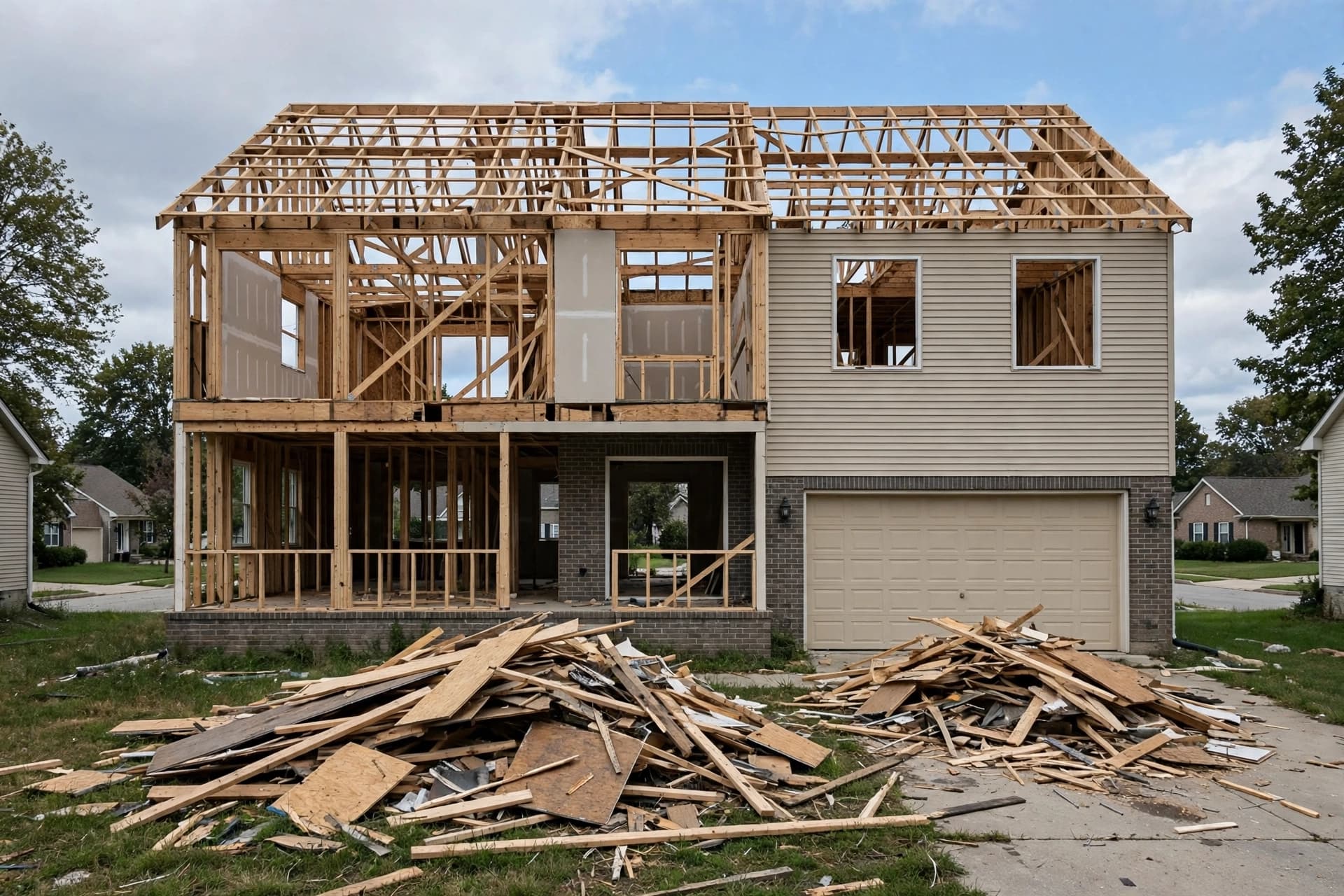
In parts of southern Türkiye, the sound of reconstruction has become part of daily life. Cranes move above neighborhoods still carrying traces of destruction, construction crews work across expanding recovery zones, and entire districts continue reshaping themselves beneath layers of dust and unfinished concrete. The rebuilding process moves forward slowly, yet visibly, across landscapes altered permanently by disaster.
Türkiye’s reconstruction boom continues following major earthquake recovery projects launched after the devastating earthquakes that struck the country’s southern regions in February 2023. Authorities, developers, and infrastructure agencies remain heavily engaged in rebuilding housing, transportation systems, and public infrastructure across affected areas. The government has allocated significant resources to ensure that these projects are completed efficiently and effectively, aiming to restore normalcy to the lives of those impacted.
Large-scale reconstruction projects have included residential housing developments, hospital reconstruction, road repairs, and utility infrastructure restoration aimed at supporting displaced populations and economic recovery. Construction activity has become one of the country’s most significant economic drivers during the ongoing rebuilding process, with many local businesses benefiting from the increased demand for materials and services.
Economic analysts note that reconstruction spending has contributed to broader activity within Türkiye’s construction and infrastructure sectors despite continuing inflationary pressures and financial challenges affecting the national economy. Demand for building materials, labor, and urban redevelopment has remained elevated across multiple regions, indicating a robust response to the disaster's aftermath.
For many communities, however, reconstruction extends beyond infrastructure alone. Entire neighborhoods were disrupted by the earthquakes, leaving families displaced and social networks fractured. Recovery therefore continues carrying both economic and emotional dimensions long after emergency response operations concluded. Community support initiatives and mental health resources are being prioritized to help residents cope with the trauma of the disaster.
Urban planners and engineers have also emphasized the importance of updated building standards and earthquake-resistant construction methods during ongoing redevelopment efforts. Discussions surrounding long-term resilience and infrastructure safety remain central to reconstruction planning across affected provinces. This focus on safety aims to mitigate the risks of future disasters and ensure that communities are better prepared.
Still, rebuilding after disaster rarely follows a simple timeline. Some districts recover more quickly than others, while temporary housing and unfinished projects remain visible reminders of how much work continues ahead. Recovery unfolds unevenly through both physical reconstruction and social adaptation, with some areas seeing rapid progress while others lag behind.
Across rebuilt streets and emerging apartment blocks, signs of renewal continue appearing beside lingering damage. Markets reopen, schools return to operation, and transportation systems reconnect communities disrupted by one of the country’s most destructive natural disasters in recent history. The resilience of the Turkish people is evident as they adapt to new realities and work towards a brighter future.
Government agencies and development analysts expect Türkiye’s reconstruction activity to continue throughout 2026 as housing, infrastructure, and urban recovery projects remain active across earthquake-affected regions. The commitment to rebuilding is a testament to the strength and determination of the communities affected by this tragedy.
Published by Banx Network. This article is part of the Banx decentralized media programme, powered by the BXE token on the XRP Ledger.