
Key Highlights
- Rapidly spreading wildfires have prompted new evacuation orders across western Canada.
- Emergency crews are working tirelessly to protect vulnerable communities and infrastructure.
- Deteriorating air quality poses health risks as smoke spreads across provinces.
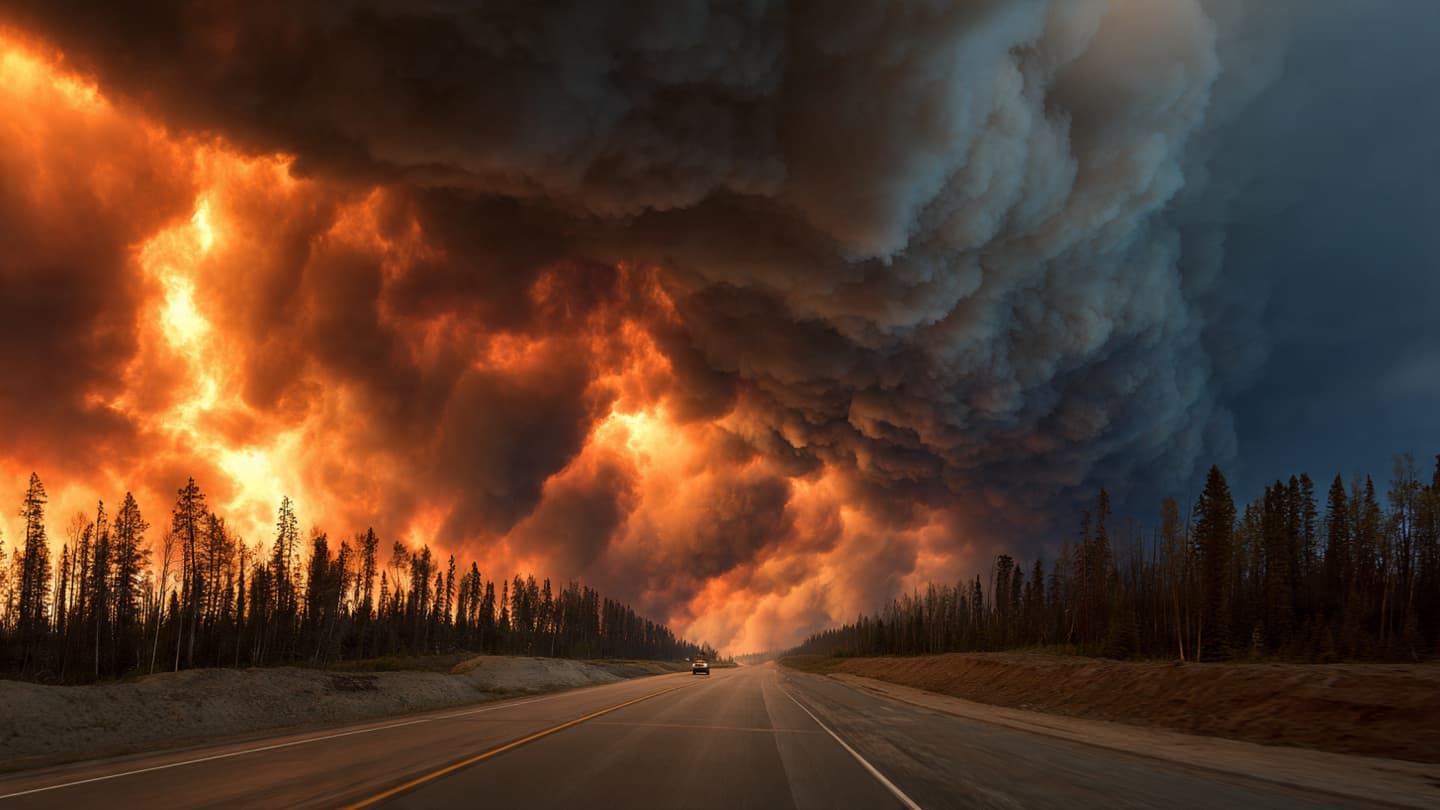
As wildfires rage across western Canada, communities are grappling with the immediate threat of flames and smoke. Smoke began to blanket the forests long before the fires were visible, transforming the landscape into a muted palette of orange and gray. Residents accustomed to serene mountain mornings were jolted awake by evacuation sirens and emergency alerts, signaling the urgent need to flee.
Authorities have confirmed that the combination of dry weather, strong winds, and soaring temperatures has led to rapidly expanding wildfires, necessitating new evacuation orders in multiple regions. Emergency responders are navigating shifting conditions as they work to protect vulnerable communities and critical infrastructure from the advancing flames.
Eyewitness accounts describe frantic departures along smoke-covered highways, with emergency responders going door to door to ensure families leave immediately. Long lines of vehicles, laden with livestock trailers and personal belongings, stretch away from evacuation zones, all under a sky filled with ash. The urgency of the situation is palpable as families rush to safety, uncertain of when they might return.
Fire officials reported that wildfire behavior intensified significantly throughout the day, driven by unstable winds and extremely dry vegetation. Firefighters, supported by aerial water tankers and ground crews, are focusing on containing fire lines near residential areas while also safeguarding critical transportation routes and power infrastructure. The stakes are high as the flames threaten not only homes but also the essential services that communities rely on.
The vast forests of western Canada, typically serene and expansive, can quickly become a battleground during wildfire season. The landscapes, once tranquil, are reshaped by the relentless forces of heat, wind, and smoke, moving faster than residents can adapt. As the situation evolves, emergency shelters have opened across neighboring communities, providing refuge for displaced residents who arrive with pets, clothing, and medication, all while grappling with the uncertainty of their future.
Health officials have issued warnings about deteriorating air quality as wildfire smoke spreads across nearby provinces, posing additional risks to vulnerable populations. Environmental agencies caution that the ongoing hot and dry conditions could exacerbate wildfire risks in the coming days, urging residents in affected areas to remain vigilant and heed evacuation notices.
By evening, firefighting operations continue across multiple wildfire zones, with evacuation efforts expanding further into surrounding districts. Officials have confirmed that containment efforts will persist overnight, as volatile weather conditions remain a significant challenge for firefighting teams. The situation is fluid, and authorities are working diligently to protect lives and property in the face of this escalating crisis.
Published by Banx Network. This article is part of the Banx decentralized media programme, powered by the BXE token on the XRP Ledger.



