
Key Highlights
- Wildfire risks are increasing in South Korea due to drought and high winds.
- Authorities have expanded monitoring and firefighting efforts in vulnerable areas.
- Local residents are urged to avoid activities that could spark fires.
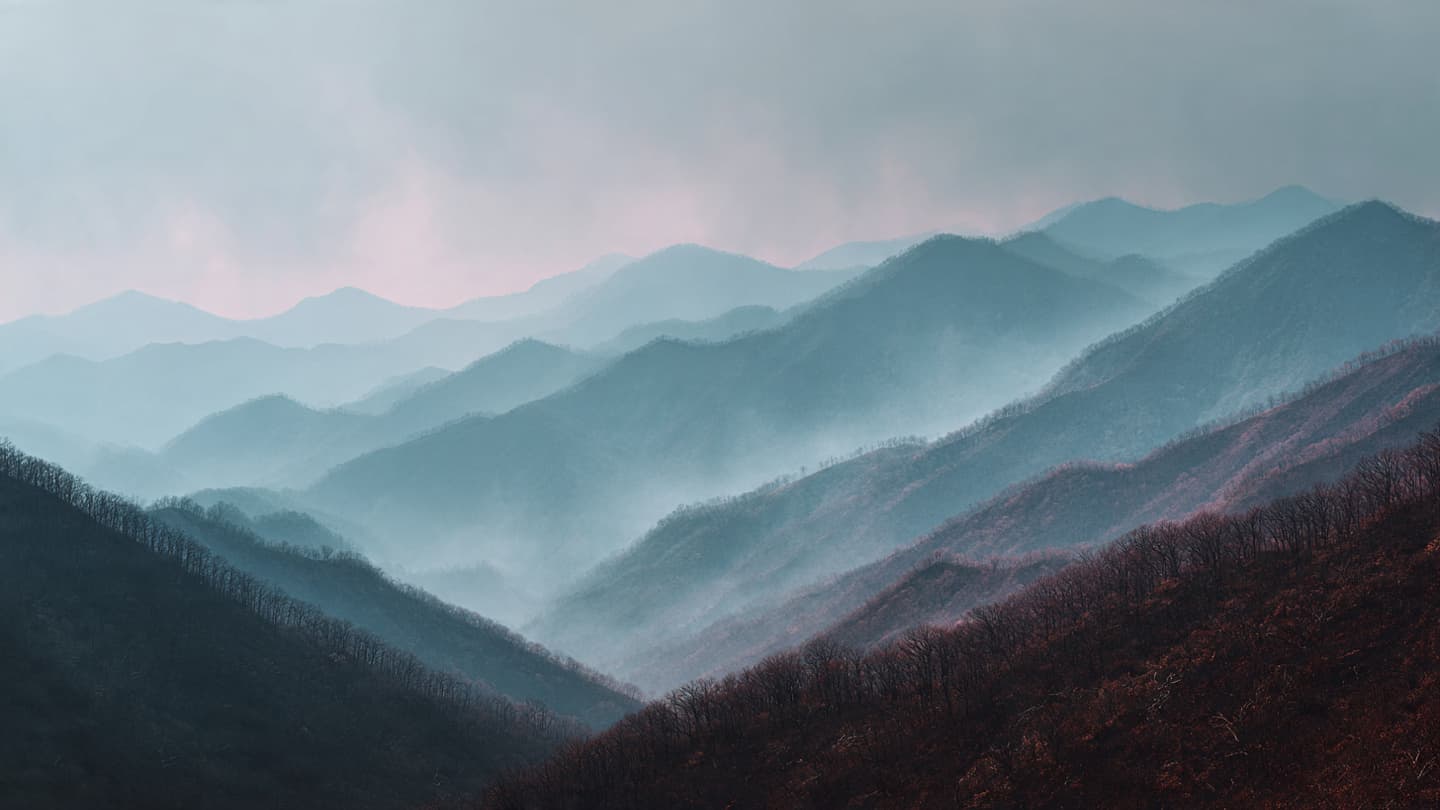
In South Korea, the serene beauty of its mountainous landscapes is under threat as wildfire risks escalate due to prolonged drought conditions. With weeks of limited rainfall and rising temperatures, authorities are on high alert, monitoring regions that are particularly susceptible to wildfires. Emergency agencies have ramped up their operations, preparing firefighting teams and equipment in anticipation of potential outbreaks.
Officials have reported that the combination of dry vegetation and low humidity levels has created an environment conducive to rapid fire spread. Local governments have taken proactive measures by issuing warnings to hikers, farmers, and residents living near mountainous areas, advising them to refrain from activities that could inadvertently ignite a fire. This precautionary approach aims to mitigate the risk of wildfires that have historically devastated parts of the country.
In recent years, South Korea has faced several destructive wildfires that have not only ravaged forests but also damaged homes and forced evacuations in rural communities. The unique geography of the region, characterized by mountainous terrain and shifting coastal winds, often facilitates the swift movement of fires through densely wooded areas once they are ignited. This has prompted forestry officials to increase fire prevention patrols and ensure that firefighting resources are readily available.
Helicopters, emergency vehicles, and response teams are now on standby in vulnerable provinces, ready to act should conditions deteriorate. Additionally, forestry officials are conducting inspections of firebreak zones and reviewing evacuation procedures for communities situated near forested hillsides. These measures are critical in ensuring that residents are prepared for any potential emergencies.
Local residents have reported unusually dry conditions affecting fields and mountain trails, with fallen leaves and pine needles accumulating on the forest floor. Many locals associate the warm wind currents with the dangerous fire seasons of previous years, heightening their awareness of the current situation. Despite the looming threat, daily life continues in the surrounding villages, with farmers tending to terraced hillsides and fishermen resting their boats along coastal harbors.
However, beneath the calm surface of these landscapes lies a persistent awareness of the potential for rapid change. Smoke from even minor brush fires can quickly spread across valleys, leaving lasting scars on both the environment and local communities. Authorities have confirmed that wildfire monitoring operations remain active across several regions of South Korea, with firefighting teams and forest patrol units prepared for immediate response should conditions worsen.
As the situation develops, the balance between maintaining daily life and ensuring safety remains a delicate one for residents in these vulnerable areas. The ongoing efforts by authorities to monitor and prevent wildfires highlight the importance of community awareness and preparedness in the face of natural threats.
Published by Banx Network. This article is part of the Banx decentralized media programme, powered by the BXE token on the XRP Ledger.



