In the deep tapestry of Earth’s history, every fossil is like a single thread that, when pulled, reveals a richer story of life’s unfolding. Some fossils are grand shadows on museum walls, others tiny gems uncovered in layers of rock older than many continents themselves. This week, paleontologists have added a particularly delicate yet important thread to that vast tapestry — the discovery of the oldest articulated bony fish ever found, dating back to the early Silurian period, roughly 436 million years ago.
The fish, formally named Eosteus chongqingensis, was unearthed in an exceptionally preserved fossil deposit known as the Chongqing Lagerstätte in southwestern China. At just a few centimeters in length, this near‑complete skeleton may seem diminutive, but its scientific importance is immense. Unlike many fragmentary fossils that provide only glimpses of ancient life, Eosteus offers a nearly complete picture from head to tail, giving scientists a detailed look at some of the earliest members of the group that would eventually give rise to most modern vertebrates — the osteichthyans, or bony fishes.
Bony fishes today make up the vast majority of fish species and include everything from tiny reef gobies to massive marlins. But their earliest ancestors have long been elusive in the fossil record. Until now, most pre‑Devonian evidence consisted of isolated scales or fragments, making it difficult to understand how early bony fishes were structured or how they evolved. Eosteus changes that picture.
What makes this find even more fascinating is the mix of features the fossil displays. The tiny creature’s body is streamlined and bears hints of characteristics seen in later fish groups, such as a single dorsal fin and caudal fulcra — specialized scales near the tail that likely helped with swimming. Yet it lacks some features seen in later, more derived bony fishes, such as the bony fin rays called lepidotrichia. Instead, it retains traits once seen only in much older or more primitive groups, bridging an important gap in our understanding of early vertebrate evolution.
Analyses of Eosteus suggest it occupies a position on the osteichthyan stem, meaning it lies close to the point where the lineage that led to modern bony fishes diverged from other early jawed vertebrates. That placement underscores how the early diversification of jawed fishes may have begun earlier and more broadly than previously thought, pushing back timelines for evolutionary developments that eventually gave rise to both ray‑finned and lobe‑finned fishes — the latter group that leads to all land‑dwelling vertebrates, including humans.
The fossil’s remarkable preservation, including delicate fin spines and tiny plates, also provides fresh anatomical data that scientists can use to test long‑standing theories about vertebrate origins. By comparing Eosteus with both older fragmentary remains and younger, more complete fossils, researchers are piecing together the subtle transitions in form and function that marked the earliest chapters of fish evolution.
Discoveries like this remind us how much remains hidden in Earth’s ancient rocks, waiting to be uncovered by careful fieldwork and new analytical tools. In this case, the fossil not only sheds light on a specific lineage but also enriches our broader understanding of how complex life grew and diversified in the world’s oceans hundreds of millions of years ago. The tiny Eosteus swam long before the age of dinosaurs, yet its bones now help anchor one of the earliest chapters in the story of vertebrate life.
In straightforward terms, paleontologists have described Eosteus chongqingensis, an exceptionally complete early Silurian bony fish fossil from China that represents the oldest articulated osteichthyan in the fossil record, offering new insights into the early evolution of bony fishes.
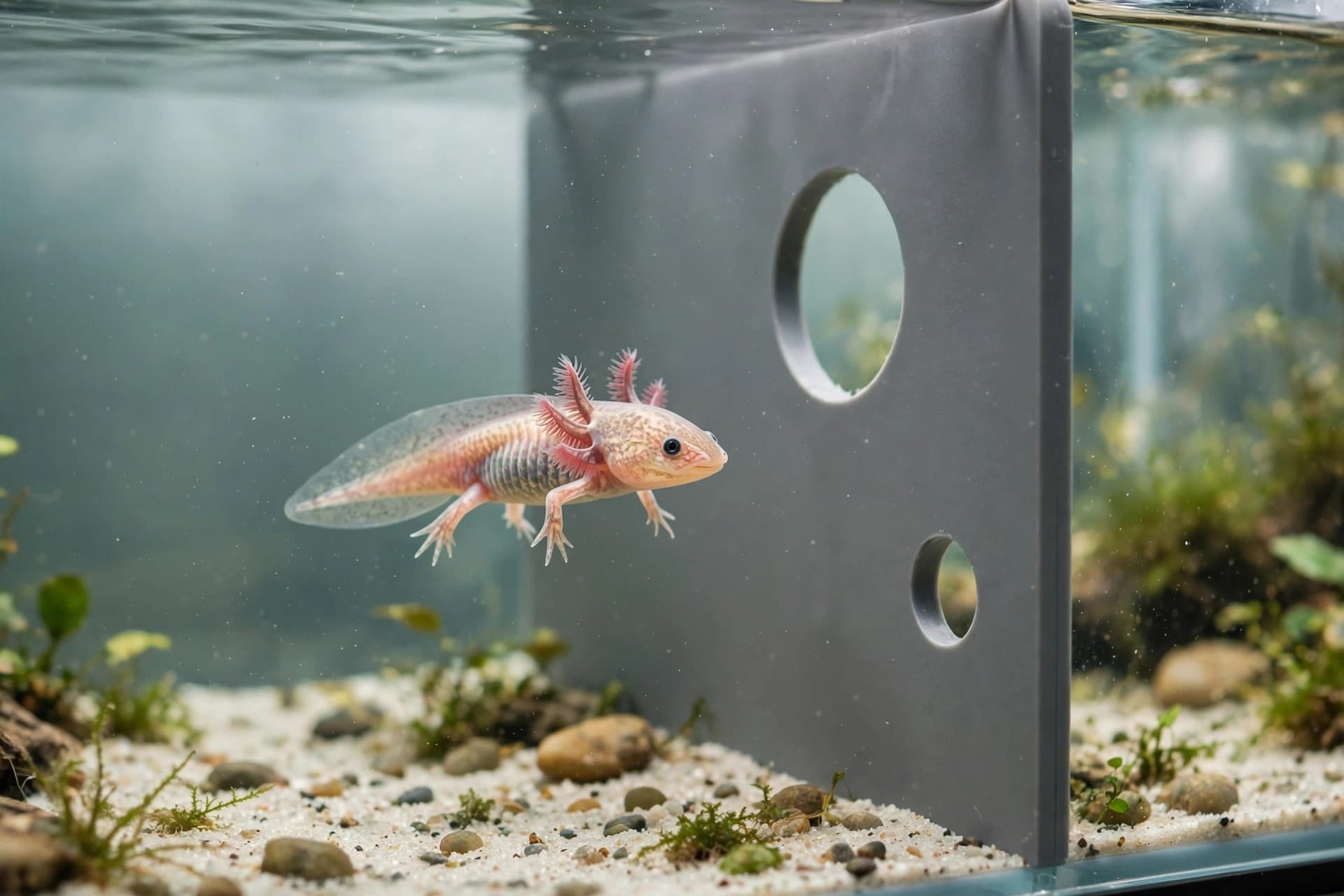
AI Image Disclaimer Visuals are created with AI tools and are not real photographs.
Sources Nature Phys.org / EurekAlert! LifeScience.net NovaTaxa paleoichthyology Mirage News report on Eosteus chongqingensis
Published by Banx Network. This article is part of the Banx decentralized media programme, powered by the BXE token on the XRP Ledger.