
Key Highlights
- Three oil tankers have successfully exited the Gulf via the Strait of Hormuz.
- The Strait is a critical passage for approximately 20% of the world's oil supply.
- Recent regional tensions have raised concerns about maritime security.
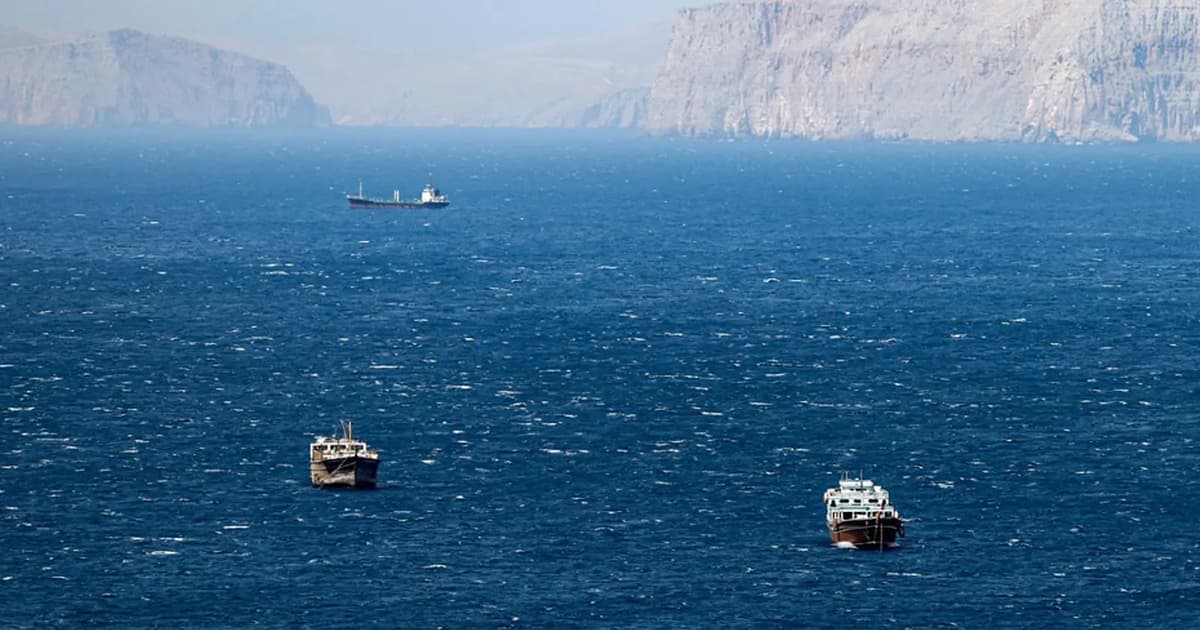
In a noteworthy event, three oil tankers have recently navigated their way out of the Gulf via the Strait of Hormuz, a crucial passageway for a substantial portion of the world’s oil supply. This strait is often monitored closely due to the geopolitical tensions that have historically surrounded this vital route. The successful transit of these vessels is significant, particularly given the current climate of uncertainty in the region.
The tankers, identified as belonging to major oil corporations, are reported to be carrying significant cargoes destined for international markets. The Strait of Hormuz serves as a transit point for approximately 20% of the global oil trade, making this exit a point of interest for economists and analysts alike. The ability of these tankers to navigate through the strait without incident is a positive sign for the oil market, which has been sensitive to disruptions in supply.
Recent Context
Tensions in the region have fluctuated in recent months, with increased naval activity and military maneuvers raising concerns about the security of maritime trade. The safe passage of these tankers comes as a relief to many stakeholders in the oil and shipping industries, indicating a somewhat stable environment for shipping operations in the Gulf. Analysts are hopeful that this development may lead to a more predictable shipping landscape, which is essential for maintaining global oil supply chains.
Economic Implications
The successful passage of these tankers is expected to have various economic implications, including potential fluctuations in oil prices resulting from supply dynamics. Market analysts will be closely watching how this development affects overall oil market stability. The movement of these vessels could influence market sentiment, particularly if it signals a reduction in perceived risks associated with shipping through the Strait of Hormuz.
In light of current geopolitical conditions, maintaining open and safe access through the Strait of Hormuz remains a priority for many nations reliant on this crucial waterway for their energy supplies. The international community continues to advocate for maritime security to ensure that trade routes remain unobstructed. As tensions persist, the focus on securing these vital shipping lanes is likely to intensify.
As the situation develops, further updates will provide insights into ongoing shipping trends and the security landscape in the Gulf region. Stakeholders in the oil and shipping industries will be keenly observing how these dynamics unfold, as they hold significant implications for global energy markets.
Published by Banx Network. This article is part of the Banx decentralized media programme, powered by the BXE token on the XRP Ledger.



