

Key Highlights
- Historic Homes:Three mid-1800s houses return to the market in Minnesota.
- Unique Features:Original hardwood floors, vintage fireplaces, and preserved brickwork.
- Market Trends:Growing interest in authenticity over modern efficiency among buyers.
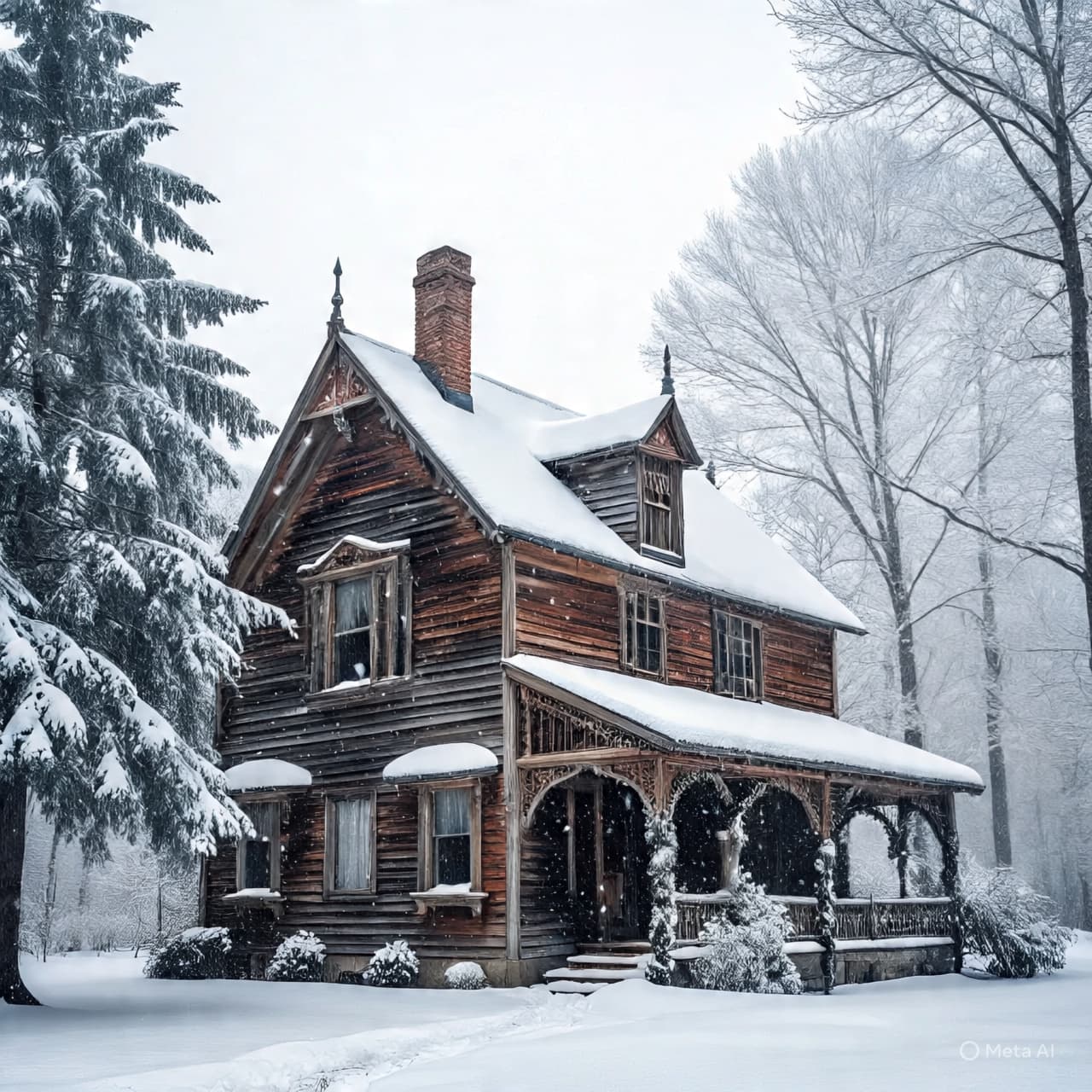
In Minnesota, three historic homes built in the mid-1800s have recently returned to the market, capturing the attention of potential buyers and history enthusiasts alike. These properties, often described as time capsules, reflect a bygone era of craftsmanship and design that stands in stark contrast to contemporary housing trends. Each home tells its own story, inviting buyers to not just purchase a property, but to inherit a piece of history.
One of the homes, located near a picturesque river town, boasts original hardwood floors that creak softly underfoot, a testament to its age and character. Another property features meticulously preserved brickwork and hand-carved staircases, showcasing the artistry that was once commonplace in home construction. These details resonate with buyers who appreciate the uniqueness and charm of older homes, often seeking a deeper connection to their living spaces.
Real estate listings for these homes emphasize their distinctive features, such as high ceilings and vintage fireplaces, which appeal to those looking for character rather than mere convenience. In a market increasingly dominated by modern designs, these homes offer a rare opportunity to live within a narrative, rather than above it. They invite prospective owners to embrace the imperfections and stories that come with age, rather than seeking the sterile perfection of new constructions.
Market experts have noted a rising interest in historic homes, particularly among buyers who prioritize authenticity over efficiency. This trend reflects a broader cultural shift towards valuing unique experiences and connections to the past. However, purchasing a historic home comes with its own set of challenges. Renovations must be approached with care, adhering to preservation standards that can complicate updates and often lead to higher costs.
In Minnesota, where historical preservation is a point of pride, potential owners must navigate local guidelines that protect the integrity of these structures. This balance between modernization and preservation is crucial, as any changes made to the homes must respect their historical significance. Despite these complexities, the allure of owning a piece of history continues to draw interest from buyers who are willing to invest in the character and stories these homes embody.
As inquiries about these listings increase, it becomes clear that the appeal lies not in practicality but in the promise of permanence in an ever-changing housing market. Buyers are often searching for more than just space; they seek meaning and connection in their living environments. In a world characterized by rapid development and transient living, these historic homes stand as steadfast reminders of a different time, inviting new owners to continue their stories.
As the listings remain active, the question shifts from whether these homes will sell to who will ultimately choose to carry on their legacy. The enduring charm of these properties suggests that they will find new stewards who appreciate their rich histories and unique characteristics.
Published by Banx Network. This article is part of the Banx decentralized media programme, powered by the BXE token on the XRP Ledger.




