
Key Highlights
- Houthi rebels claim to have targeted Saudi Arabia's east-west oil pipeline.
- The pipeline is crucial for Saudi oil exports and global energy stability.
- Market reactions indicate heightened sensitivity to developments in the region.
The volatile landscape of Middle Eastern energy security has taken a new turn with a claim from Yemen’s Houthi rebels, who announced that they targeted Saudi Arabia’s critical east-west oil transport infrastructure. This assertion threatens to disrupt one of the kingdom’s most vital economic lifelines, underscoring the persistent risks to global energy supplies and the fragile nature of stability in the Persian Gulf.
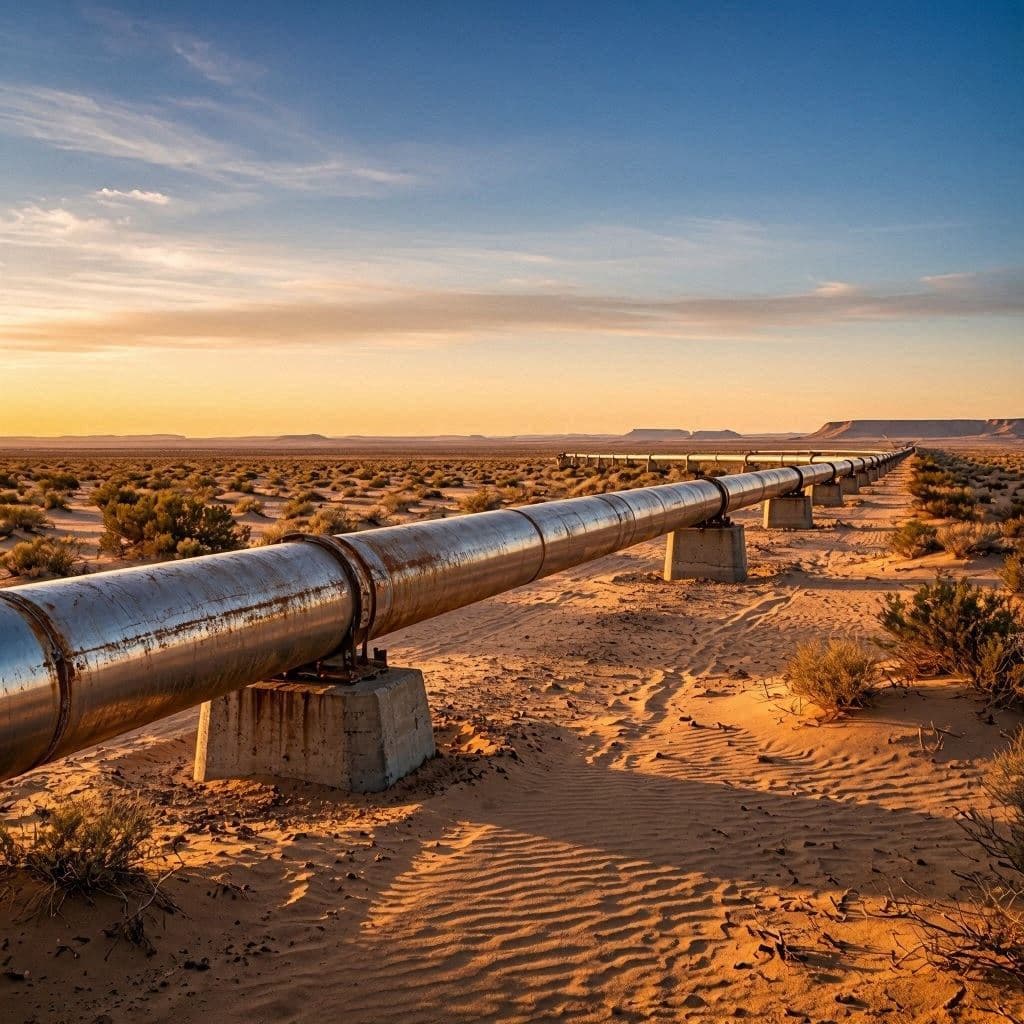
The east-west pipeline, which connects oil fields in Saudi Arabia's eastern province to export terminals on the Red Sea, is a strategic asset for the kingdom. Any disruption to its operations could have immediate repercussions for international oil markets, potentially sending shockwaves through the global economy. The Houthi statement comes in response to recent coalition airstrikes on their positions in Yemen, with the group vowing to retaliate against Saudi infrastructure, viewing it as a legitimate target in their ongoing conflict with the Saudi-led coalition.
While details regarding the success of the alleged attack remain unclear, the mere claim has raised alarms among investors and policymakers. Saudi Aramco, the state-owned oil giant, has not confirmed any damage to the pipeline. However, the company has historically maintained a robust defense system, including Patriot missile batteries and rapid repair teams, to mitigate such threats. Past attacks have been successfully intercepted or quickly repaired, minimizing long-term impacts on oil production.
Global oil prices reacted with slight volatility following the announcement, reflecting the market's sensitivity to any news from the region. Traders are closely monitoring the situation, aware that even a temporary shutdown of the pipeline could tighten supply and drive up costs. This uncertainty adds to the existing pressures on energy markets caused by other geopolitical conflicts, further complicating the global energy landscape.
The strategic importance of the east-west pipeline cannot be overstated. It allows Saudi Arabia to bypass the Strait of Hormuz, a chokepoint often threatened by regional rivals. By providing an alternative route to the Red Sea, it ensures that oil exports can continue even if the Gulf is blocked. An attack on this infrastructure undermines that security buffer, raising concerns about the kingdom's ability to maintain its oil export levels.
International efforts to de-escalate tensions in Yemen have seen limited success. Diplomatic initiatives aimed at establishing a lasting ceasefire have stalled, leaving the door open for periodic escalations. The Houthi’s latest claim suggests that the conflict remains active and capable of spilling over into neighboring countries, further complicating the regional security landscape.
For Saudi Arabia, protecting its energy infrastructure is a national priority. The kingdom has invested heavily in air defense systems and cybersecurity to safeguard its facilities. The resilience of these systems will be tested as the threat environment evolves with new technologies and tactics employed by militant groups. The humanitarian situation in Yemen remains dire, with millions dependent on aid. The cycle of violence and retaliation exacerbates suffering, making a political solution ever more urgent. International organizations continue to call for an end to hostilities and a return to negotiations.
As the situation develops, the focus remains on verification and response. Authorities are assessing the extent of any damage and preparing contingency plans to ensure continuity of supply. The global community watches with bated breath, hoping for stability in a region crucial to the world’s energy needs. The Houthi claim of targeting Saudi oil transport underscores the persistent risks in the Middle East, serving as a reminder of the interconnectedness of regional security and global economic stability.
Published by Banx Network. This article is part of the Banx decentralized media programme, powered by the BXE token on the XRP Ledger.



