
Key Highlights
- Launch Date:The Digital Heritage Marketplace was launched in May 2026.
- Artisan Participation:Over 500 artisans have joined the platform as of May 14, 2026.
- Economic Impact:Early data indicates a 40% income increase for participating cooperatives.
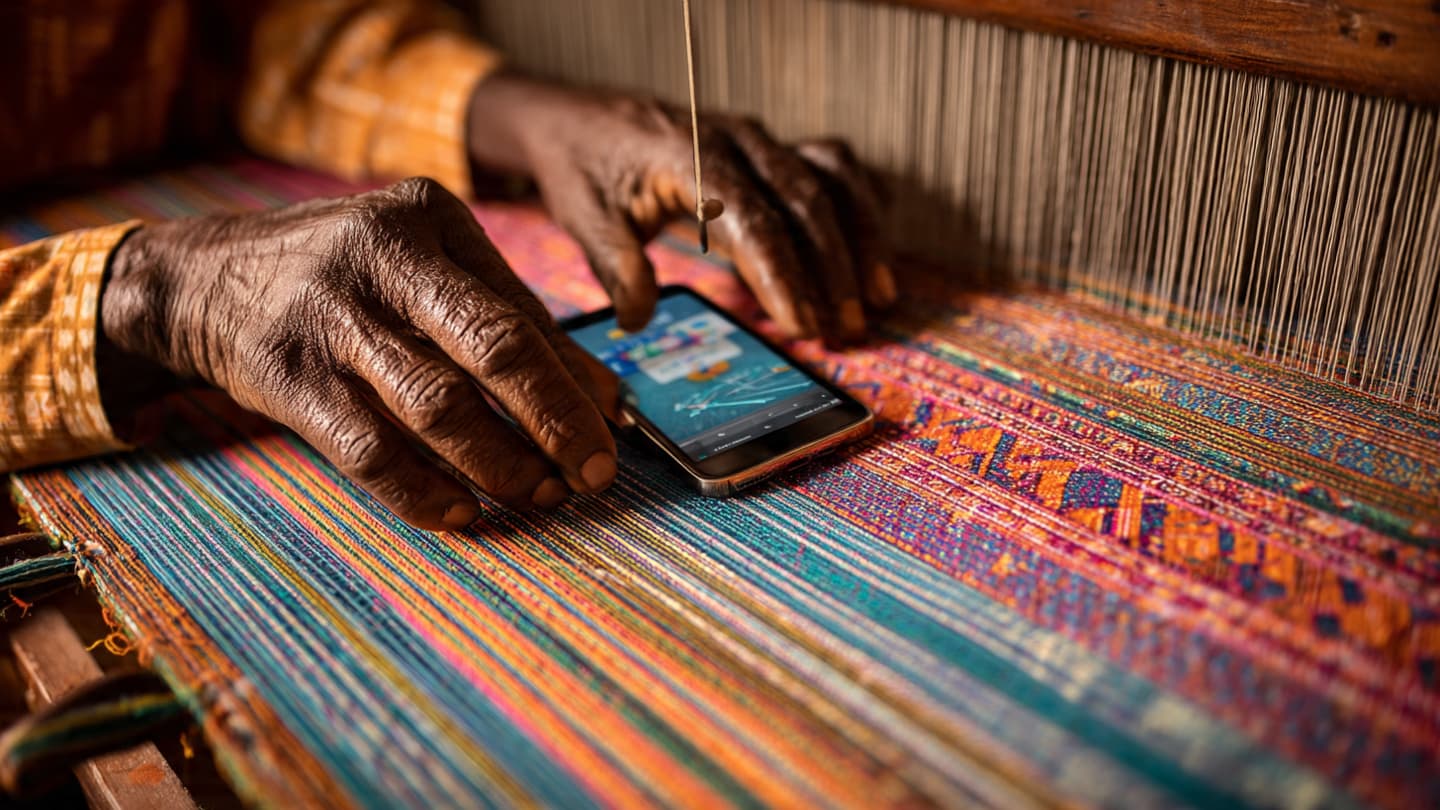
In the shaded courtyards of Mitsamiouli, the rhythmic clatter of the wooden loom has long been the heartbeat of the community. Here, the intricate chiromani and the stately kofia are born from hands that move with a wisdom passed down through generations. But in May 2026, a new sound is joining the chorus—the soft, digital chime of a mobile notification. The artisans of the Comoros are no longer waiting for travelers to find them; they are reaching out through the invisible architecture of the network to connect with the world.
The launch of the "Digital Heritage Marketplace" marks a significant cultural and economic adaptation for the Comorian artisans. This initiative recognizes that for a tradition to survive, it must be able to travel beyond its geographical confines. The atmosphere in local workshops has transformed, with tablets now sitting comfortably next to spools of thread. This narrative of empowerment ensures that the economic value of Comorian craftsmanship returns directly to the hands of those who create it, fostering a sustainable future for the artisans.
Observing an artisan photographing their work for an international buyer illustrates a delicate bridge between two eras. The vibrant patterns of the fabric are captured in high-definition, translated into pulses of light that carry the soul of the islands across the ocean. This transition is accompanied by the tactile rustle of finished garments being folded and the quiet confidence of creators who are no longer bound by the limits of physical storefronts. The goal is to weave the Comoros into the global tapestry of sustainable fashion, where traditional craftsmanship meets modern technology.
The importance of this digital platform transcends mere product sales; it serves as a safeguard for the nation’s identity. By providing a direct channel to global markets, the initiative ensures that young Comorians see a viable future in the arts of their ancestors. This collaboration between the Ministry of Arts, the tech sector, and rural cooperatives is a silent form of bridge-building, creating a more resilient and inclusive economy. The archipelago is positioning itself as a place where the "slow" beauty of handmade goods meets the "fast" efficiency of the digital age.
As the marketplace gains momentum, the potential for community development grows with every transaction. The digital ledger provides transparency and security, allowing artisans to reinvest in their craft and their families. This story of resilience showcases how a small island nation has utilized 21st-century tools to protect the heritage of the 10th. The market remains a place of human connection, its reach now magnified by the power of technology.
In the business district of Moroni, the atmosphere is one of focused innovation. Traditional traders are learning to navigate the complexities of global logistics with the same skill they use to negotiate local sales. The islands are learning to ship their culture as a premium good, finding a niche in a world that increasingly values authenticity and the human story behind each object.
There is a reflective quality to the sight of a centuries-old design appearing on a screen in a distant city. It invites a meditation on the nature of globalization—not as a force that erases difference, but as a medium that can celebrate it. In the Comoros, the digital craft revolution is a testament to the enduring power of human creativity to create value that resonates across any distance.
According to a press release from the Comorian Ministry of Economy and Tourism, the "Vumbura Digital" platform has successfully onboarded its first 500 artisans as of May 14, 2026. The initiative, supported by international development partners, provides training in digital marketing, mobile payment integration, and sustainable shipping practices. Early data suggests a 40% increase in income for participating weaving cooperatives, primarily through direct exports to the European and North American markets.
Published by Banx Network. This article is part of the Banx decentralized media programme, powered by the BXE token on the XRP Ledger.



