
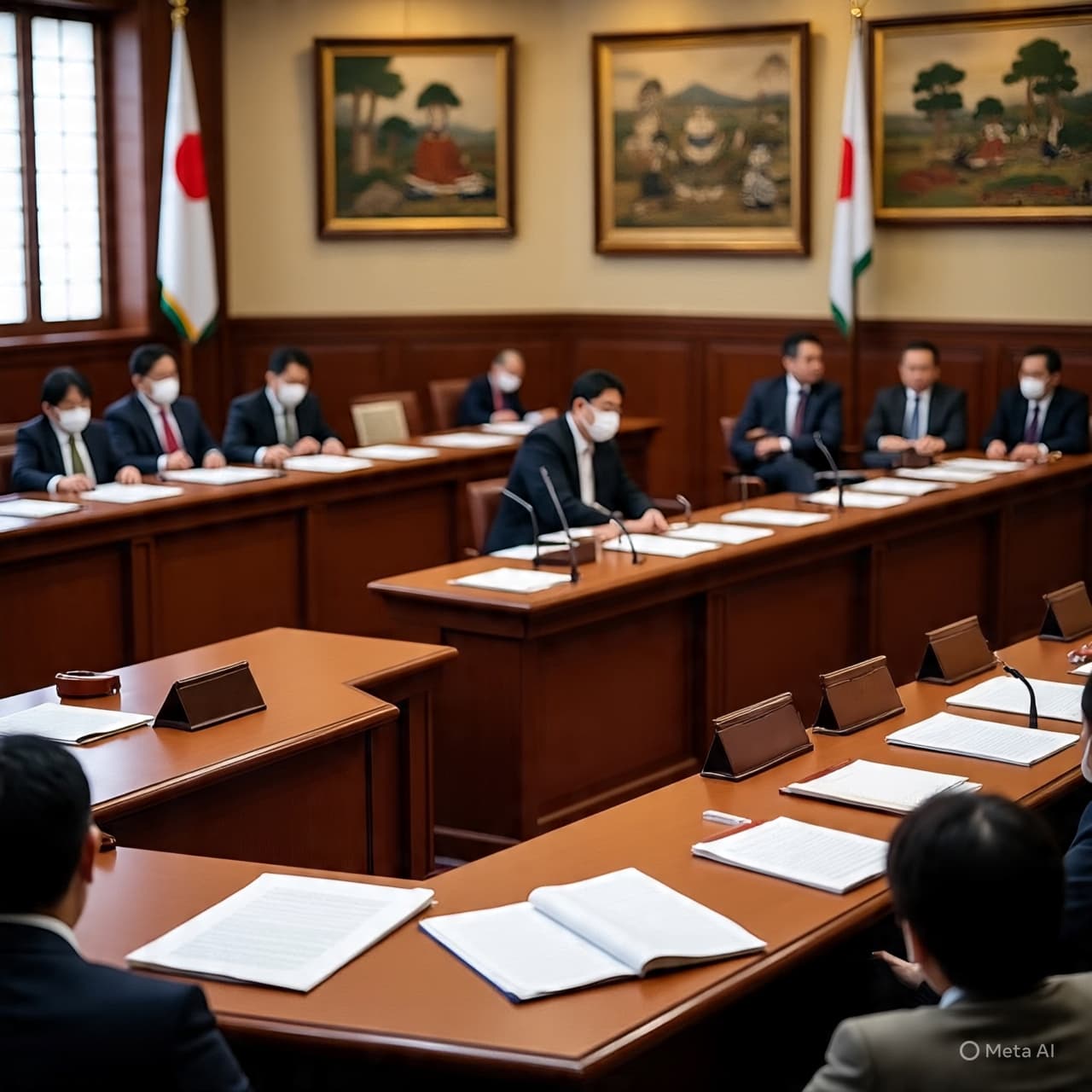
Key Highlights
- Political Change:Japan's Prime Minister Sanae Takaichi is reshaping national policies.
- Defense Spending:Plans to increase defense budget to 2% of GDP are underway.
- National Identity:The shift raises questions about Japan's post-war identity.
Japan is currently experiencing a significant political transformation, marked by the leadership of Prime Minister Sanae Takaichi. As the first woman to hold this office with a strong mandate, Takaichi is steering the nation towards a new trajectory, particularly in the realms of defense and national identity. On a recent morning in Tokyo, the atmosphere was charged with anticipation, as citizens engaged in discussions about the future of their country amidst a backdrop of historical change.
Takaichi's administration has set ambitious goals, including a proposal to increase defense spending to two percent of the country's gross domestic product (GDP), a target that is notably ahead of previous timelines. This shift aligns Japan more closely with its allies, particularly the United States, and reflects a growing recognition of the changing security landscape in the Asia-Pacific region. The Prime Minister's rallying cry to "make Japan strong again" is not merely a slogan; it is a call to action that resonates deeply within the political discourse.
The proposed changes extend beyond mere budgetary adjustments. Takaichi's government is considering revisions to long-standing security doctrines, which could lead to the easing of restrictions on defense exports and an expansion of the capabilities of the Self-Defense Forces. These discussions include the acquisition of advanced submarines and enhanced coast guard vessels, signaling a shift from Japan's post-war pacifist stance towards a more proactive defense posture.
However, this momentum is met with a mix of enthusiasm and apprehension among the populace. Many citizens cherish the peace that has characterized Japan since World War II, and the prospect of altering this legacy raises profound questions about national identity. In cafes and parks, conversations reflect a blend of hope for a secure future and concern over the implications of increased militarization.
Internationally, Takaichi's approach has garnered attention. Allies are encouraged by her commitment to strengthening ties, while neighboring countries remain vigilant, recalling the historical tensions that have shaped regional dynamics. Civil society voices express caution, advocating for a balanced approach that considers both security needs and the values of peace that have long defined Japan.
As the sun sets over Tokyo, casting a glow on the bustling streets, the narrative of Japan's future unfolds. It is a complex story woven from the threads of ambition, tradition, and the enduring quest for peace. The decisions made today will not only shape the political landscape but will also redefine what it means to be Japanese in a rapidly changing world.
Published by Banx Network. This article is part of the Banx decentralized media programme, powered by the BXE token on the XRP Ledger.



