
Key Highlights
- Global interconnectedness shapes modern international relations.
- Economic ties and cultural exchanges influence global dynamics.
- Political tensions can quickly escalate due to close connections.
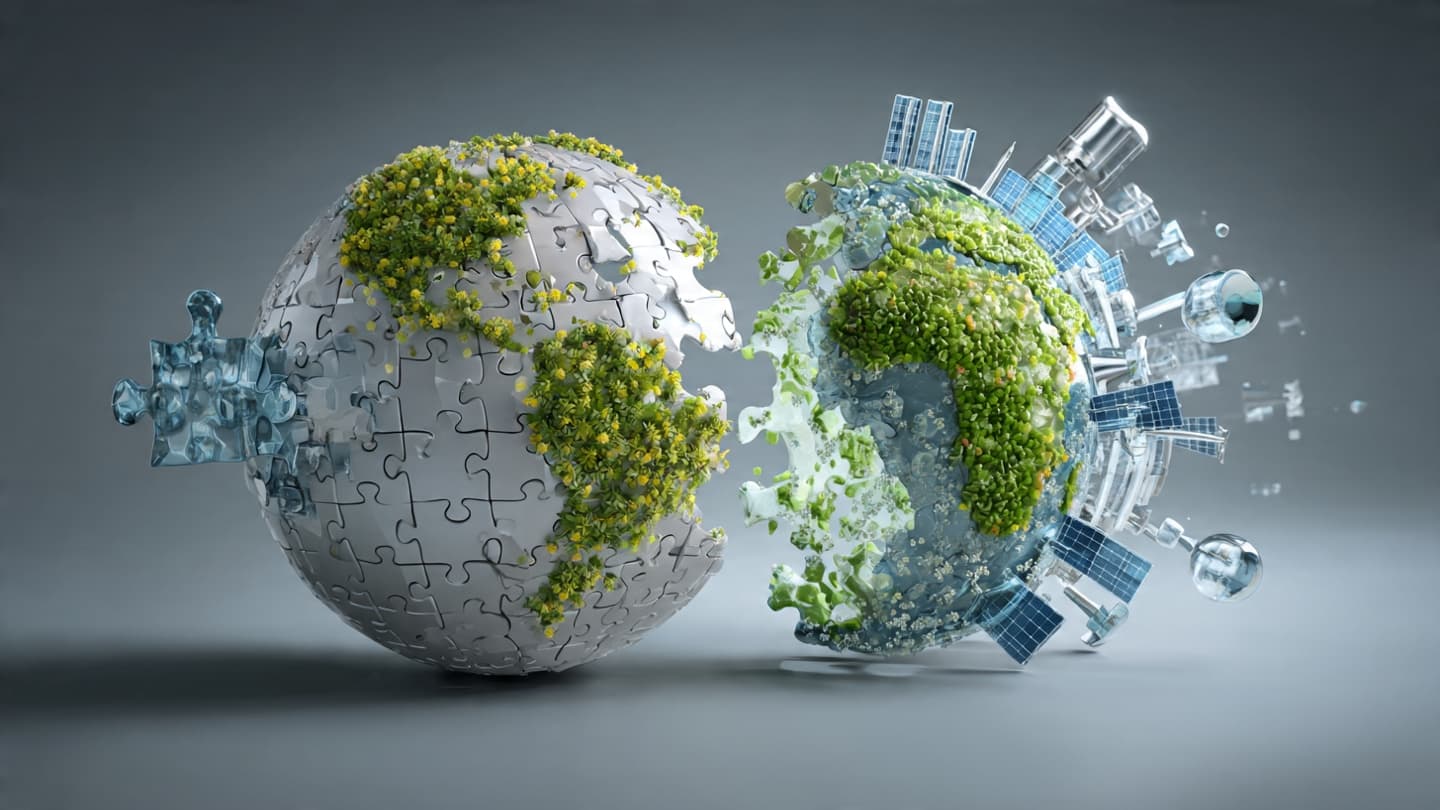
Understanding the world today requires a recognition of the intricate web of connections that define international relations. This metaphor of a web illustrates how every nation is linked to others, with actions in one region resonating across the globe. In an era where isolation is increasingly impractical, grasping the nuances of these connections is vital for comprehending global events.
Historically, international relations were often simplified to military power and territorial disputes. However, the contemporary landscape is far more complex, encompassing economic interdependencies, cultural exchanges, and technological advancements that facilitate instantaneous communication. These elements are in constant interaction, creating a dynamic environment that can be both beneficial and challenging.
The interconnectedness of nations presents significant opportunities for collaboration. Countries can share resources, knowledge, and innovations, addressing global challenges such as health crises and climate change more effectively. This cooperative spirit is essential for tackling issues that transcend borders, as solutions often require the combined efforts of multiple nations.
Conversely, the same connections that foster collaboration can also lead to rapid dissemination of difficulties. Economic downturns in one region can trigger repercussions worldwide, while political unrest can destabilize neighboring countries. The intricate ties that allow for cooperation can also serve as conduits for conflict, necessitating careful diplomatic management to mitigate misunderstandings and tensions.
Navigating this complex landscape demands a new set of skills from leaders and diplomats. They must adopt a holistic view, recognizing the interrelatedness of various global issues. Balancing national interests with the need for international engagement is crucial, requiring flexibility and foresight to adapt to changing circumstances.
Different nations approach these challenges based on their unique histories and capabilities. Some prioritize regional partnerships, while others engage with global institutions. Economic development may serve as the cornerstone of foreign policy for some, while others may focus on security and defense. This diversity in approach reflects the varying priorities and strategies of nations as they navigate the complexities of global relations.
Public opinion increasingly influences governmental actions in this interconnected age. As citizens become more aware of global issues through media and technology, their expectations shape policy decisions. There is a rising demand for ethical governance that not only addresses immediate concerns but also contributes to a more stable and equitable world.
Looking ahead, the complexity of global relations is likely to intensify. Emerging technologies, shifting economic powers, and new global challenges will continue to redefine the landscape of international interactions. The ability to adapt, communicate effectively, and find common ground will be essential for maintaining peace and fostering progress in this interconnected world.
Published by Banx Network. This article is part of the Banx decentralized media programme, powered by the BXE token on the XRP Ledger.



